

Sladek in Sydney
The Last Pentax Pro?
(This blog is quite lengthy and heavy on wide landscape image ratios. To get maximum benefit, I’d recommend reading this post with a beverage and on a larger device such as a tablet, laptop or monitor).
Back in October ‘25, I had the chance to meet one of my idols, David Sladek. Perhaps I slightly exaggerate when choosing the word idol, but ever since I have shot with Pentax (and been made aware of David’s work) I couldn’t help but be extremely impressed with what he was achieving. Perhaps what’s even more impressive is to meet a professional who still actively chooses Pentax digital cameras as their preferred choice/brand to complete this kind of work. Most of the professional Pentaxians I once knew have since moved on to the mirrorless alternatives (myself included), but not David, and I was really curious to find out why, or even more importantly how. Surely Pentax is a bit draconian by todays standard? Surely better tools exist for this narrative? Well… read on.
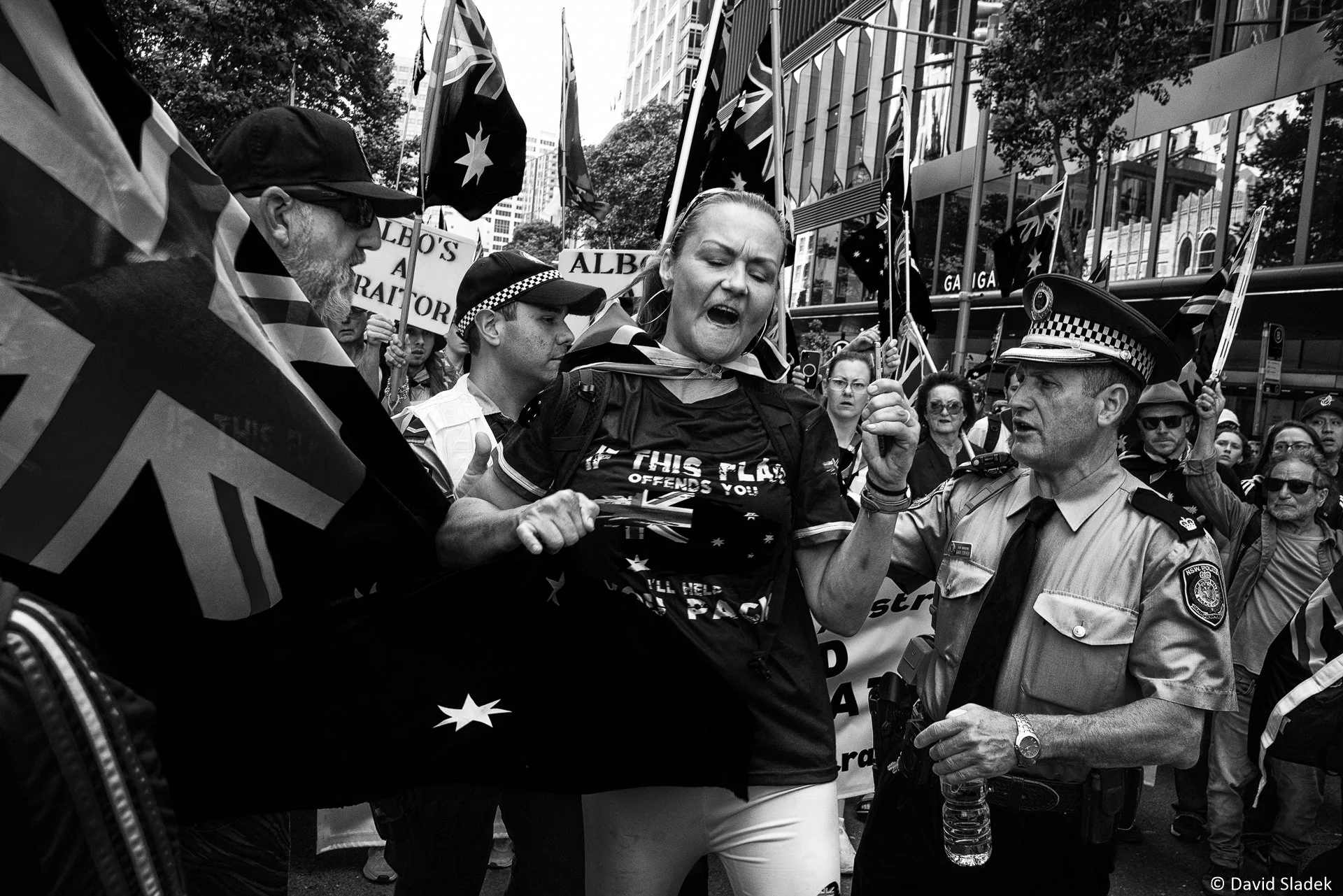
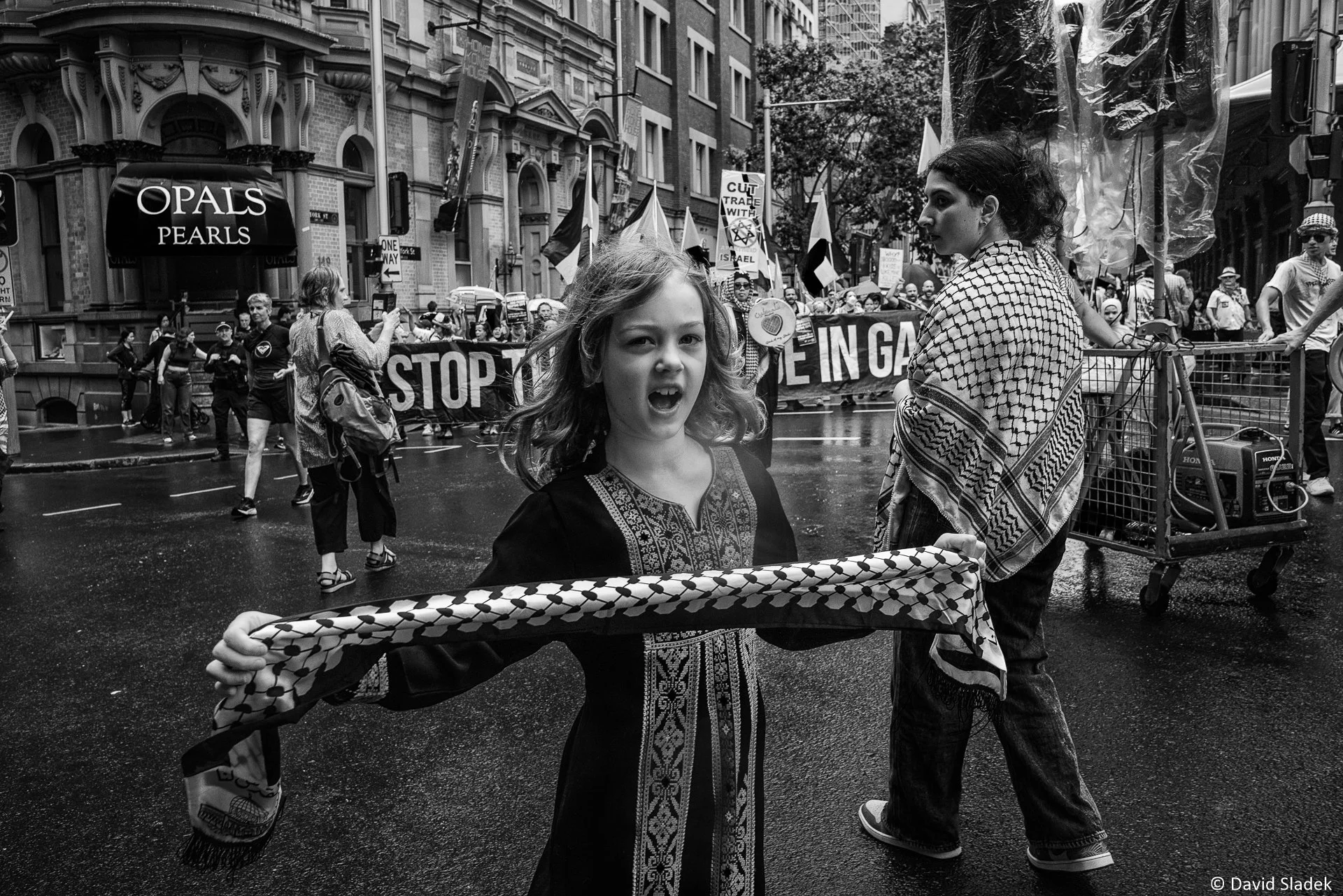
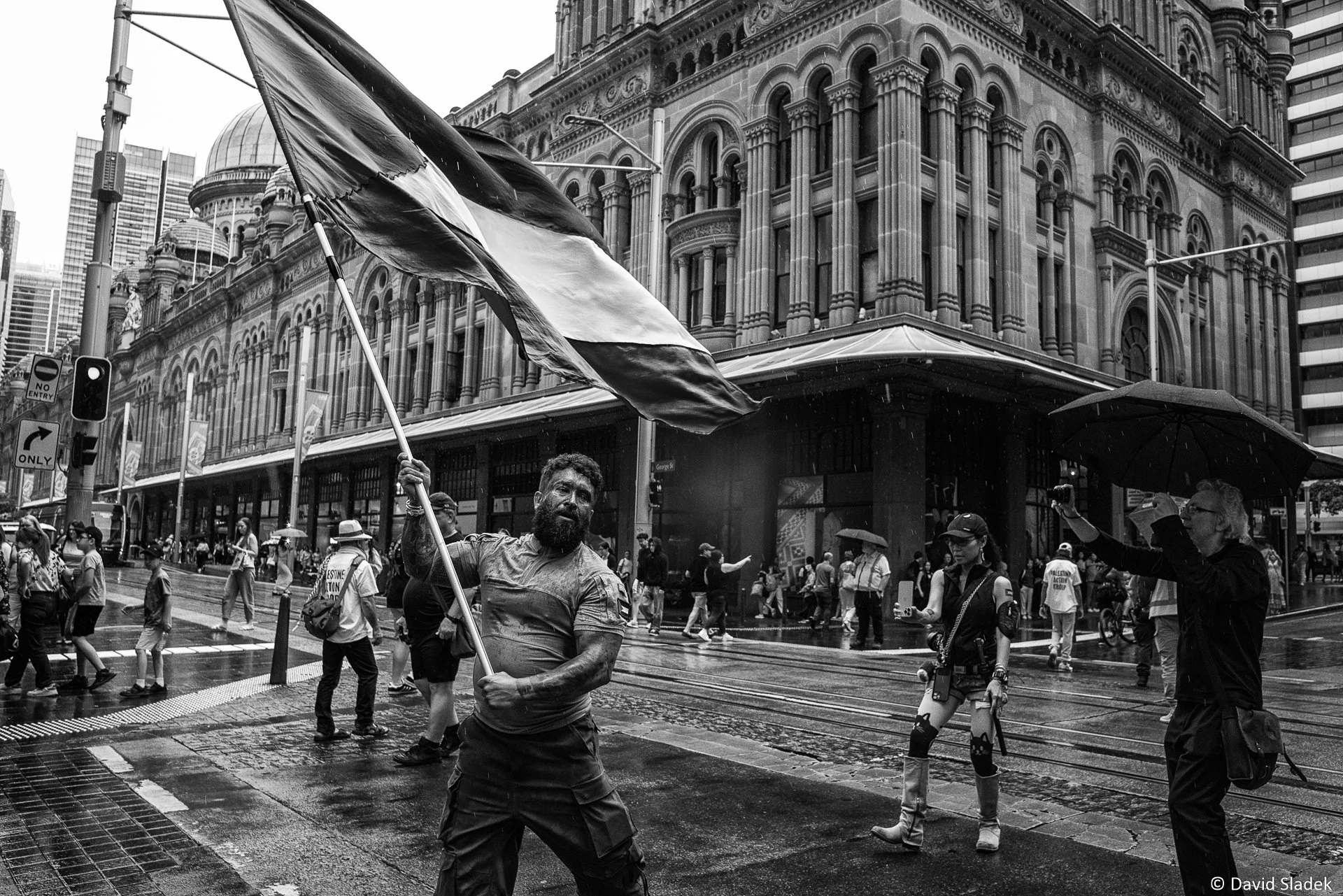
David Sládek is a Czech independent photojournalist residing in London, formerly serving as a reporter with the Czech News Agency. David chooses to cover protest work with his full frame Pentax K-1 (and always with a 28mm lens attached), always in black and white. It’s a passion and he wants complete narrative control over the creative process void of contractual agreements (free from the constraints of briefs, more on this later...).
I wanted details, I wanted specifics. I had to meet up with David, quiz him over his creative and technical process to his documentary protest work. Let’s meet David (and some of his work).
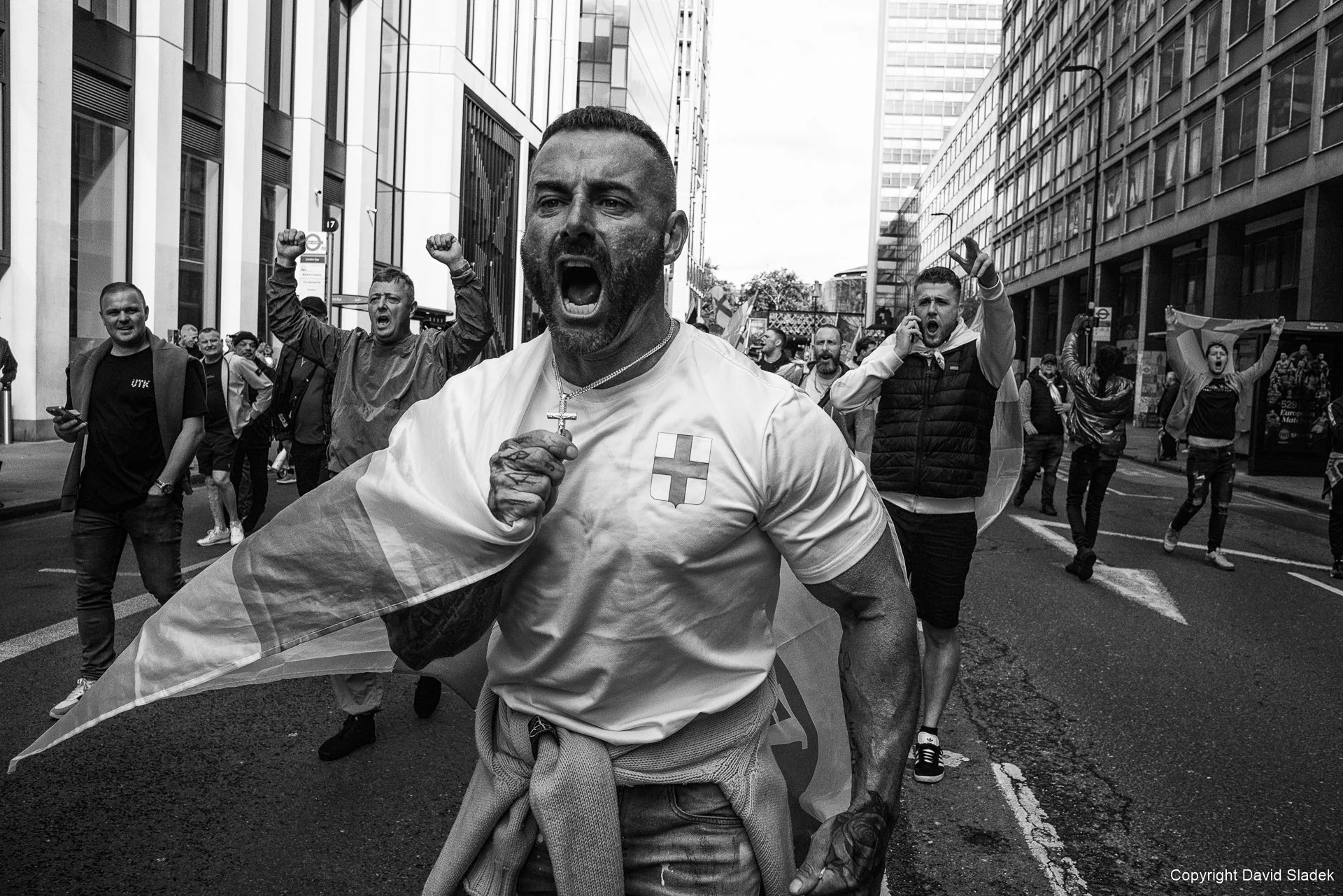
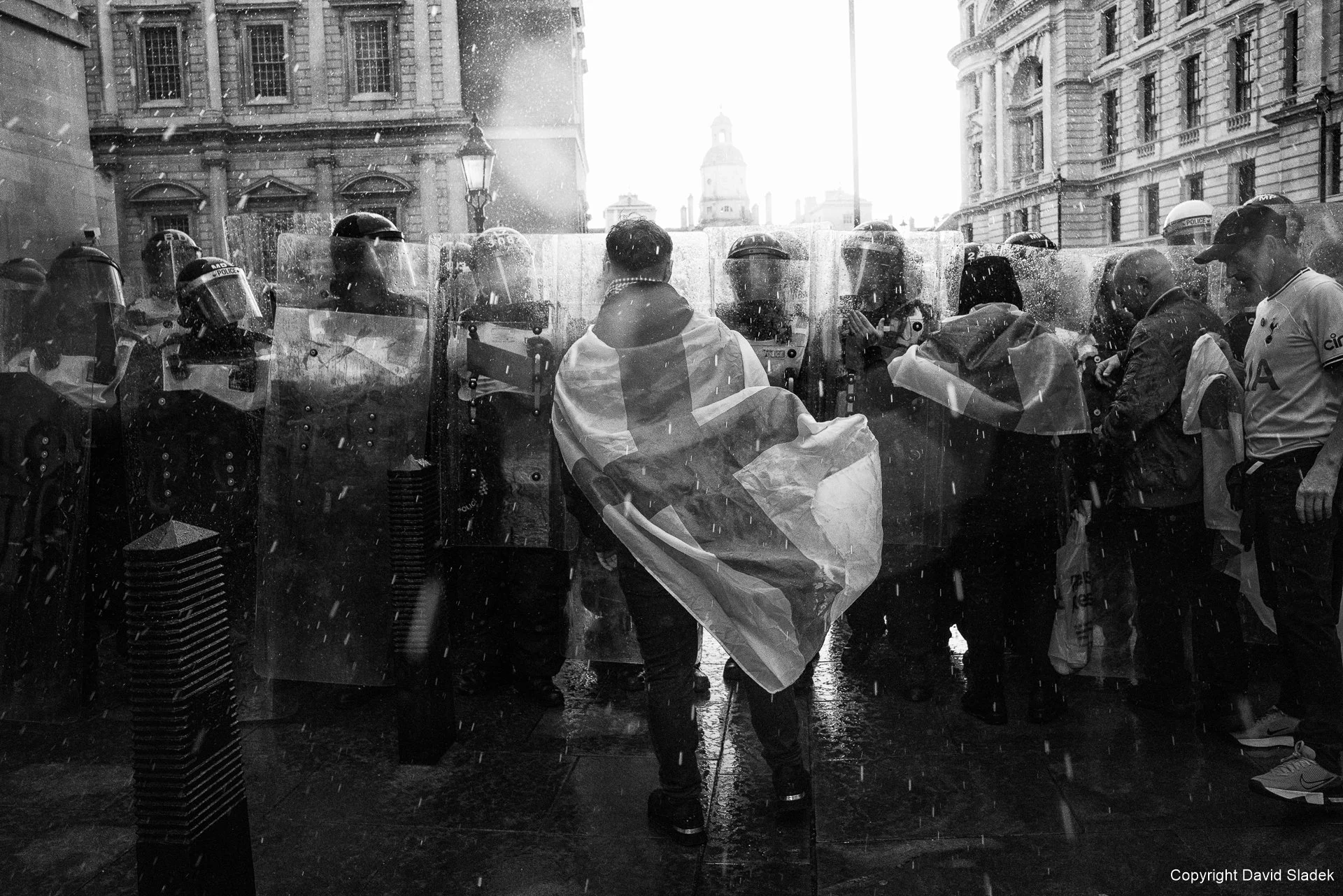
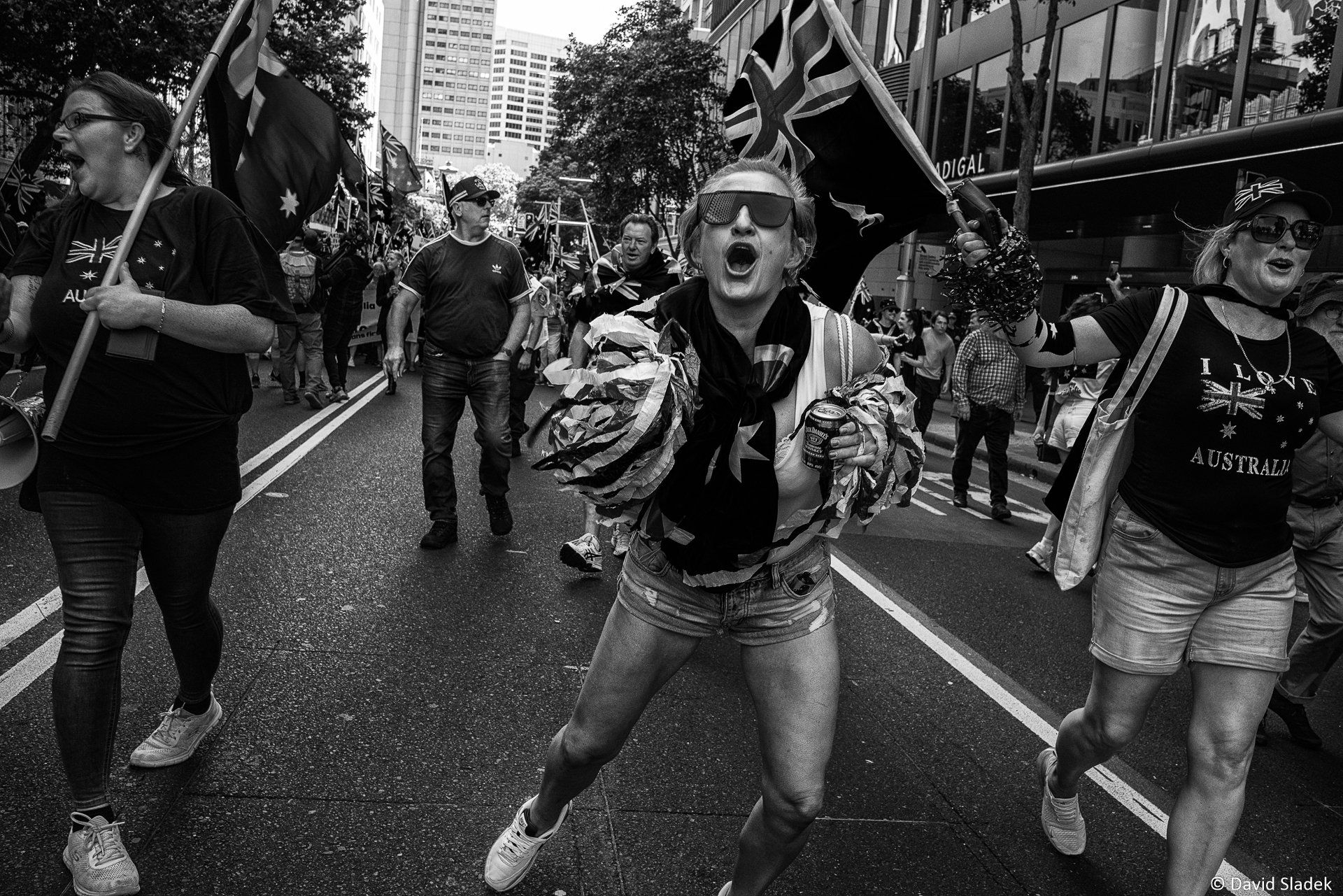
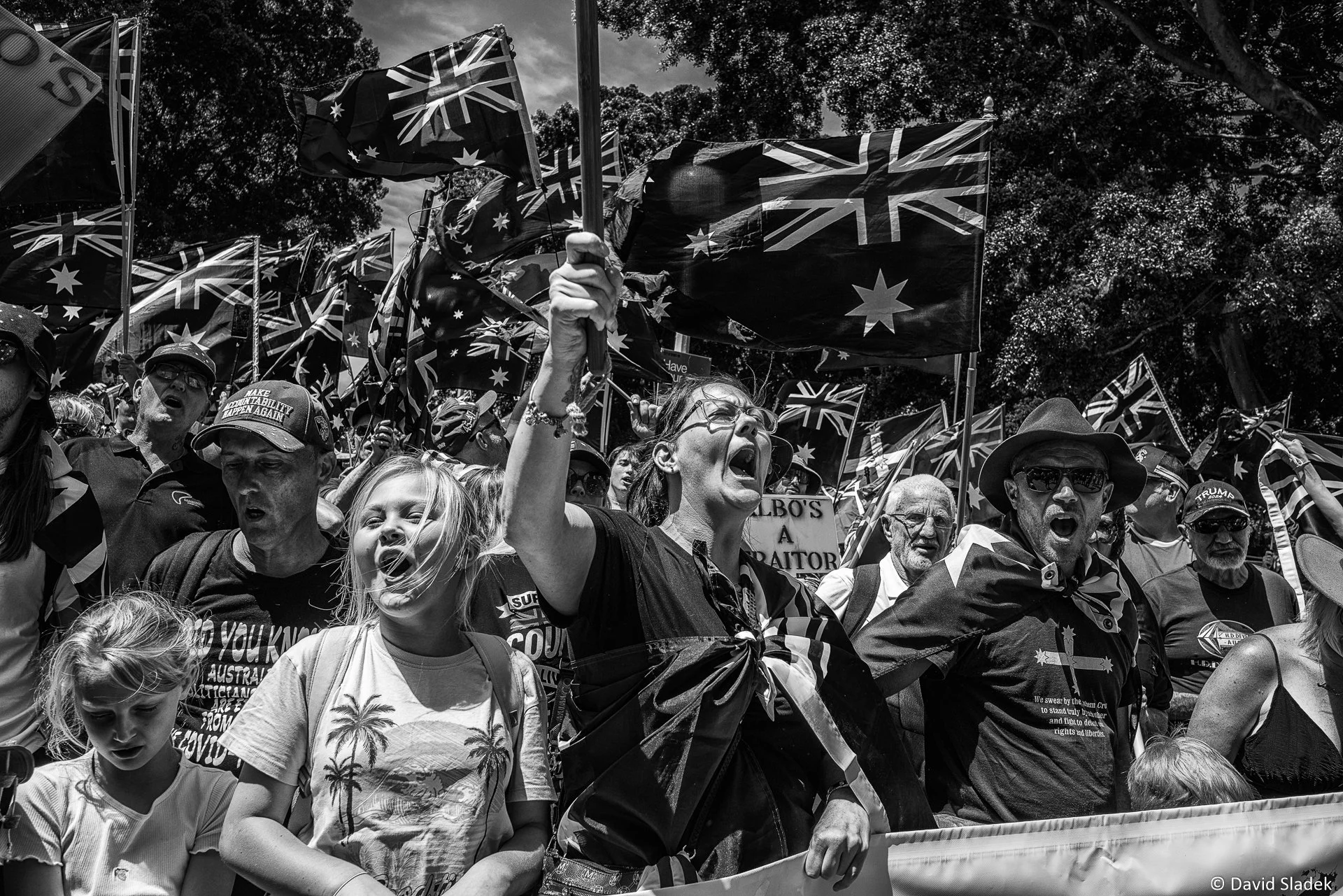

https://www.instagram.com/davidsladekphotographer
If I could summarize David’s protest work with a single word it would be ‘consistency’. Always his (protest) work is monochrome, always it is captured in landscape orientation, always the aspect ratio is standard 3:2, always the work is taken with the same FoV (Field of View), a 28mm lens, always the work appears in the forefront of the action, close proximity, intimate. And this approach has been his approach for years.
The First Meet
I travelled into Sydney (a short train journey for me), knowing we’d be doing some ‘walk, talk & shooting’ I grabbed some of my own camera stuff. I opted for my XH2S with the Fringer ULTRA focal reducer adapter paired with the (new to me) Canon EF 50/1.2 (I simply wanted to play and test this combo, I have since done a review which can be found here). In addition to the 50/1.2, I also took the XF16/1.4 and the over zealous XF200/2. The 200mm is an enigma of a lens, heavy (2.2kg!), expensive, bulky and often overkill, but once you own one it is really addictive and your mind plays tricks. You forget rationality and what ‘sensible’ choices might be. Suddenly you act like Bilbo Baggins; “It's here in my pocket... Yet, after all, why not? Why shouldn't I keep it?"
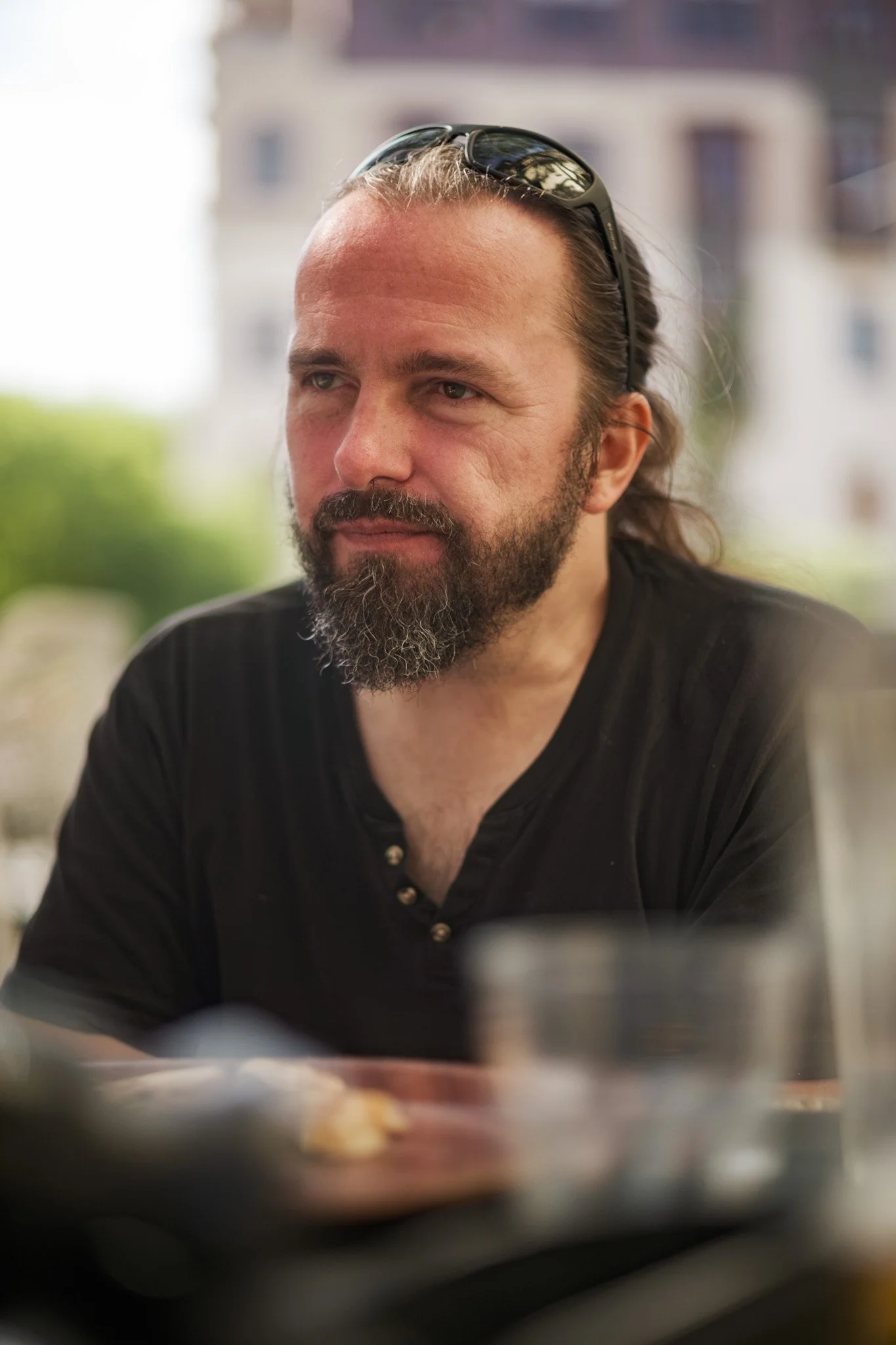
We arranged to meet at The Rocks first, a bite and a drink or two, later joined by fellow friend and professional photographer Rob Studdert (another idol of mine).
I don’t want to drag this blog out longer than it needs to be, so I’ll summarize my findings from our talk in bullet point format below;
David simply likes the Pentax K-1. It has fantastic dynamic range for an ‘older’ camera and he enjoys the ergonomics very much.
The K-1 is a rugged and extremely well sealed. It was made to endure harsh environments and conditions (Pentax are known for having some of the best weather resistance cameras the industry has to offer). Covering carnivals is no problem for the K-1, no need for boy coddling. K-1’s are also fairy affordable now (on the used market that is).
This is the difference between someone owning a pristine camera, unsure about their purchasing decision, overly fussing over the camera’s wear and tear condition (because one day they might want to sell it, guilty as charged!) vs this is someone who has made their choice with conviction, now it’s about the work and the work can be rough.
David doesn’t rely on autofocus. His method is essentially ‘f8 and be there’. He is zone focusing, setting a focus distance a couple of meters away and whatever flows from here out is captured with sufficient sharpness and depth (this is also a popular technique with the Ricoh GR series of cameras using ‘Snap Focus’). Shallow depth of field is not of interest, he wants to capture everything. A week later I got to witness this technique first hand, more on this later…
Battery Life. One area DSLR’s still rival mirrorless cameras is sustained battery life. Using the battery grip powers his K-1 for weeks! This ensures no interruptions to the documenting process, never needing to pause to replace batteries and miss crucial moments (guilty as charged again!).
Why 28mm? For David this is his most preferred FoV, he’s tried wider and narrower and both have their pros and cons, but for David 28mm is his sweet spot, a natural field of view providing enough action to fill the frame without distortion or depth issues.
Why Monochrome? A few reasons, mostly however to avoid High-vis officials attire (from stealing the viewers attention). Of course! Once he said it I felt like such an idiot for not putting two and two together. Monochrome work also gives the viewer a better chance to absorb the expressions and story, free from the distractions that colour often introduces. Protests are emotional places, it makes sense that monochrome is the preferred medium.
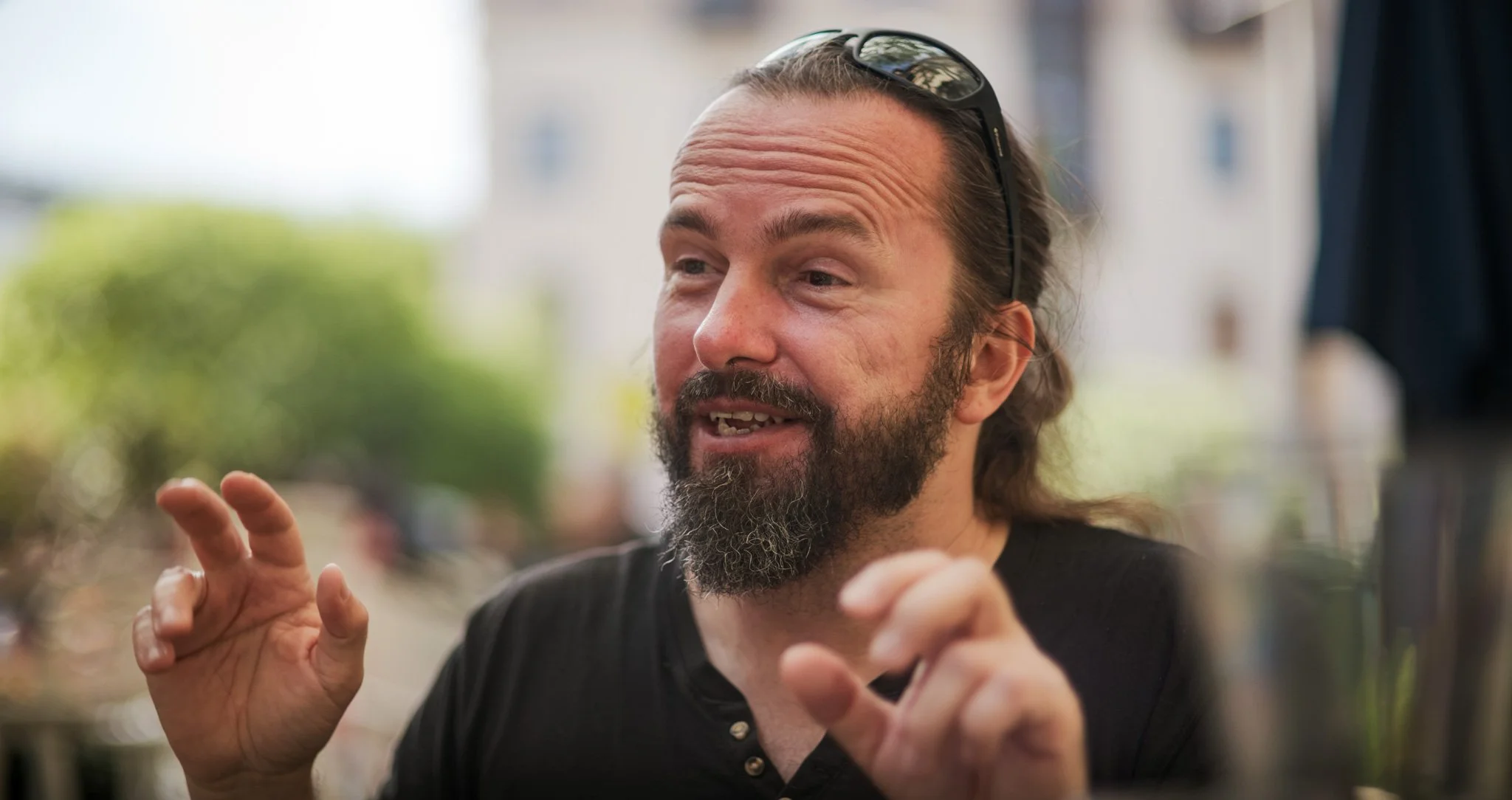
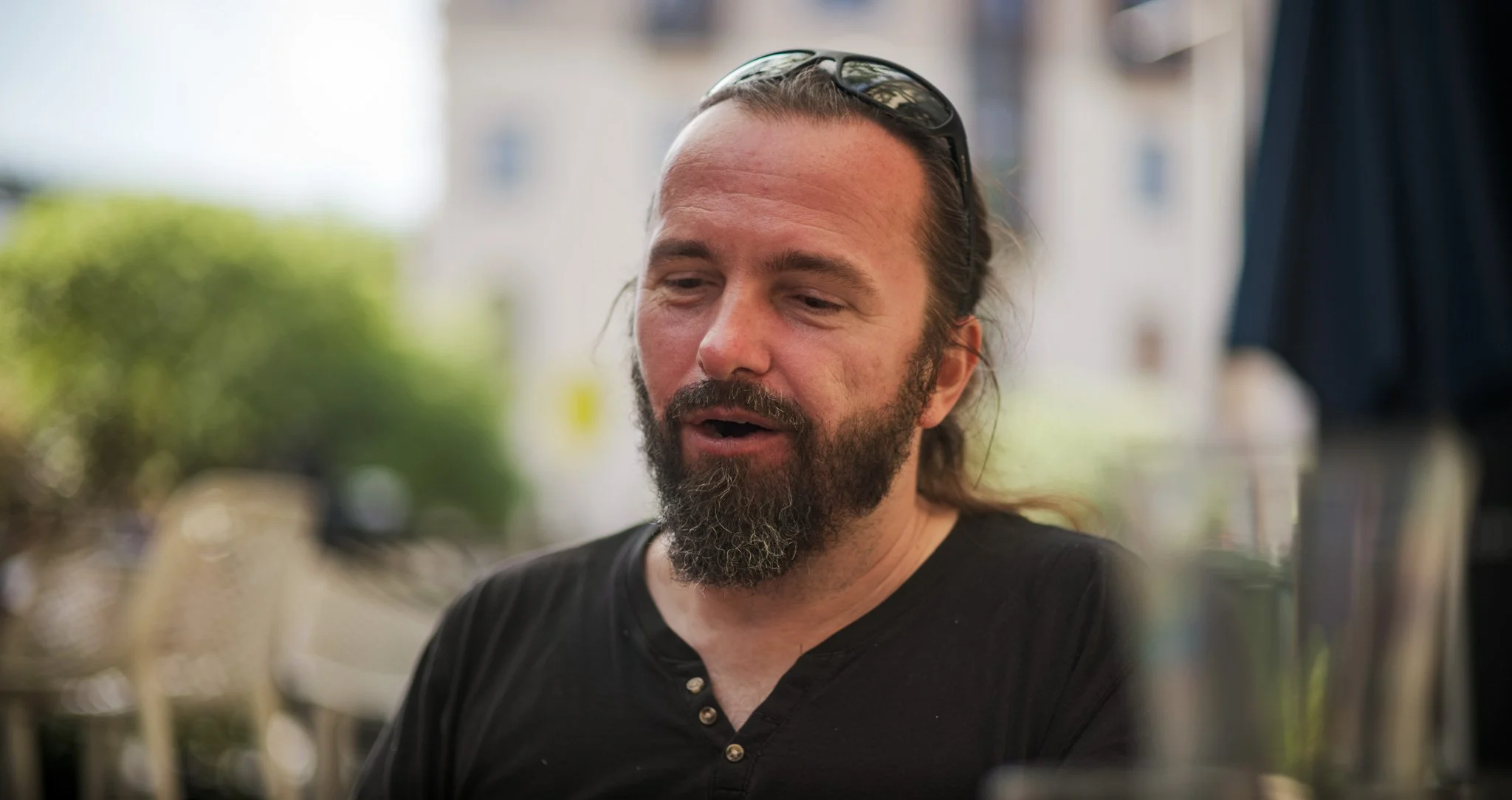
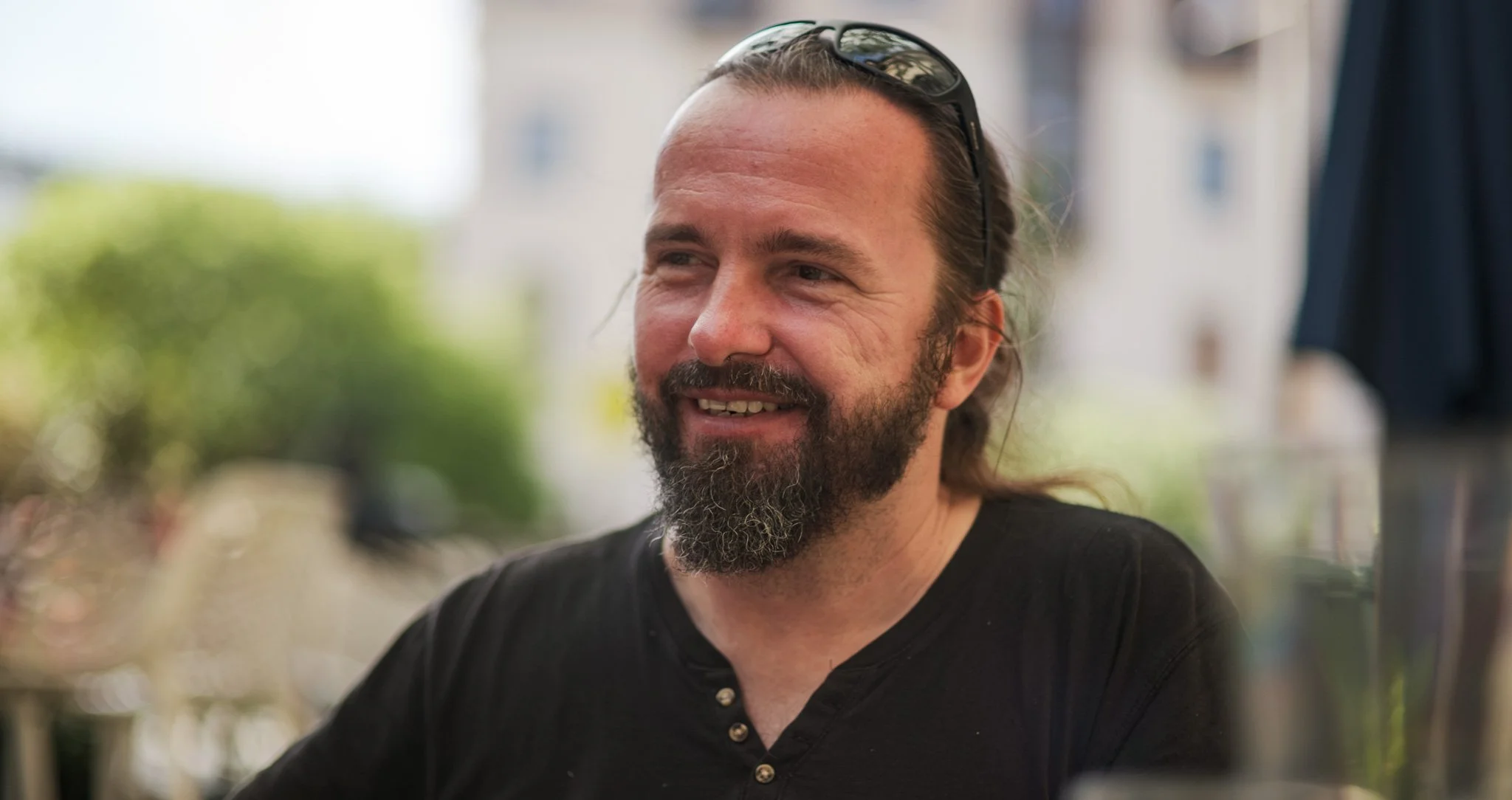
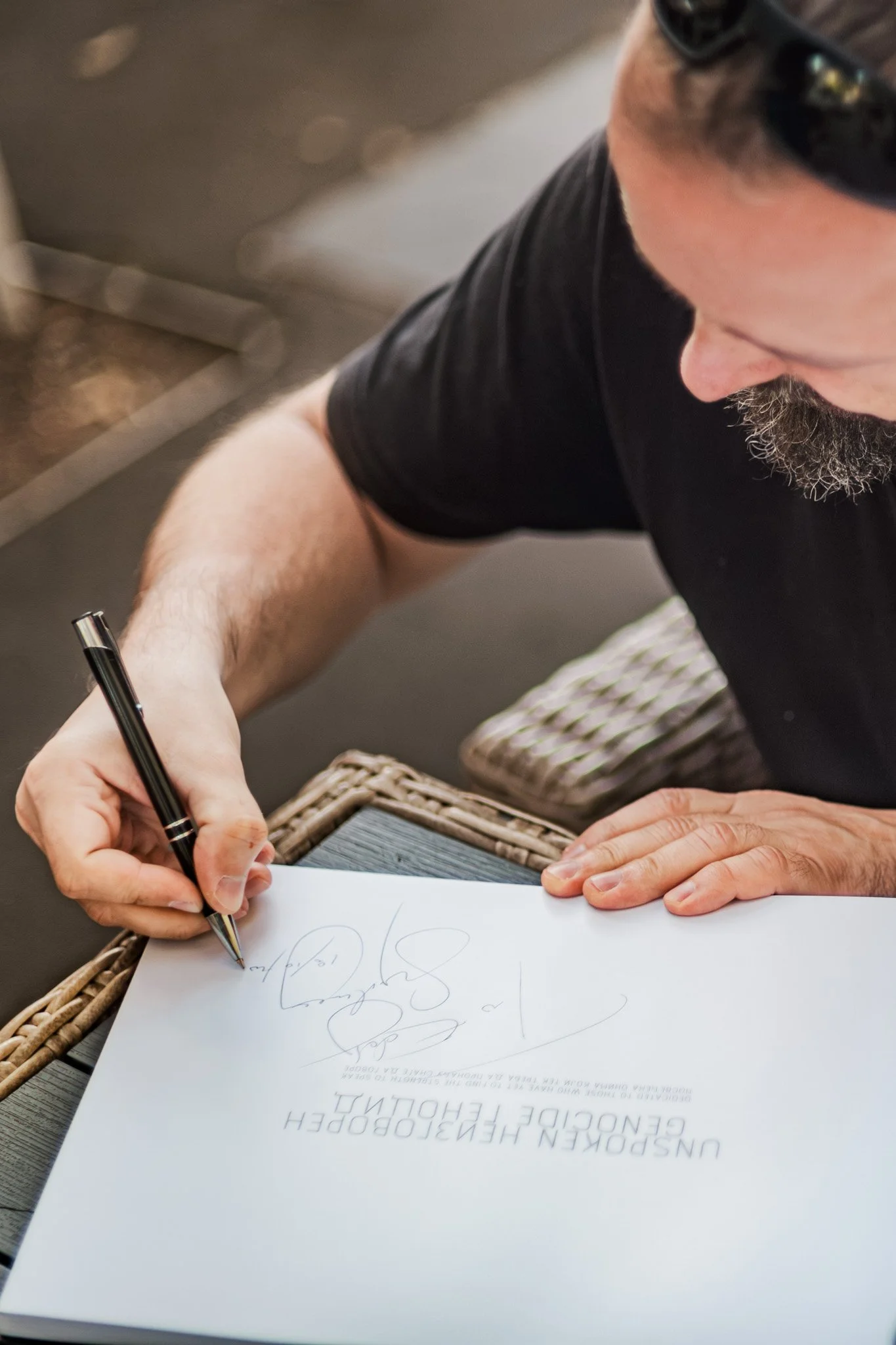
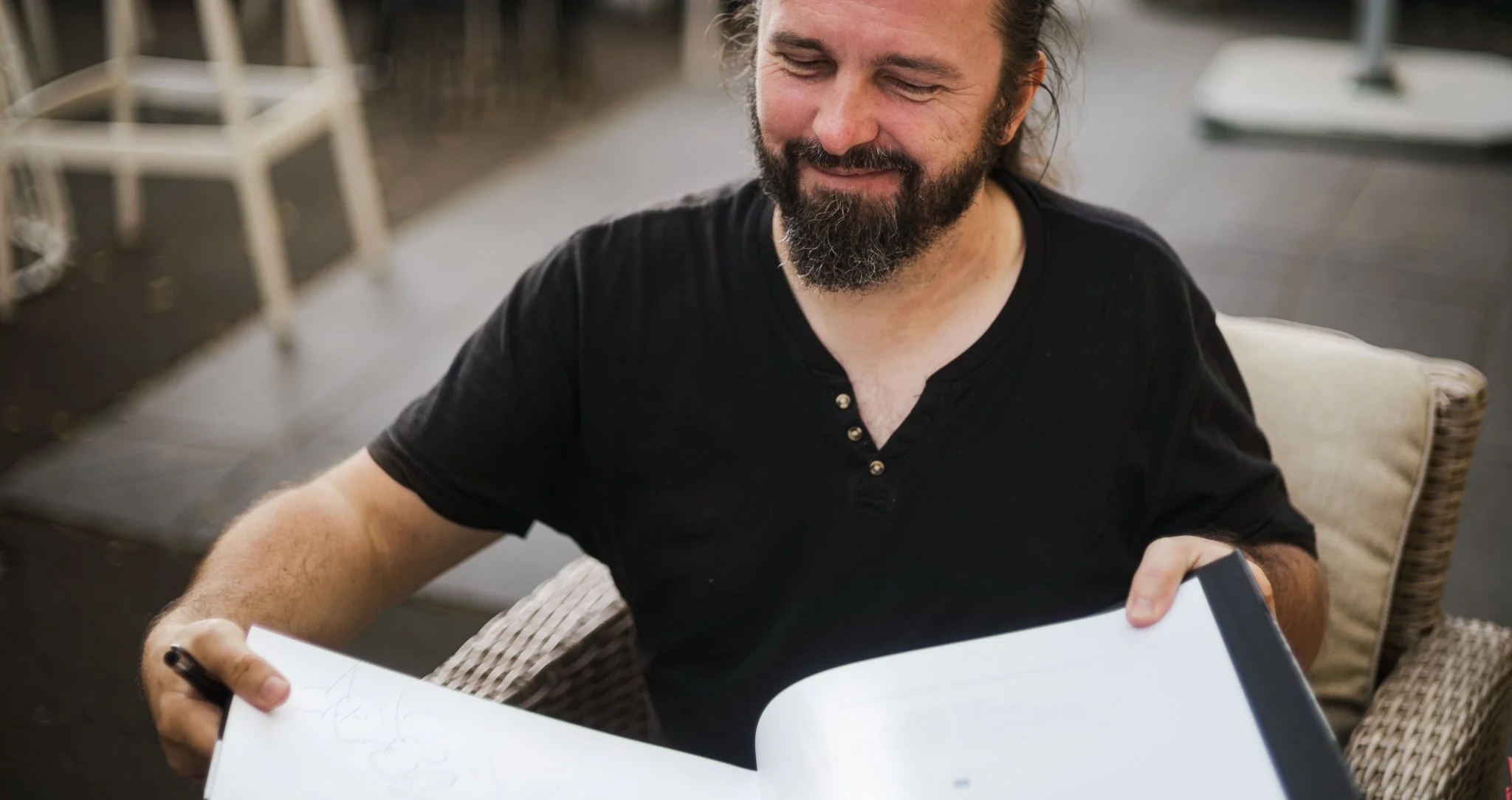
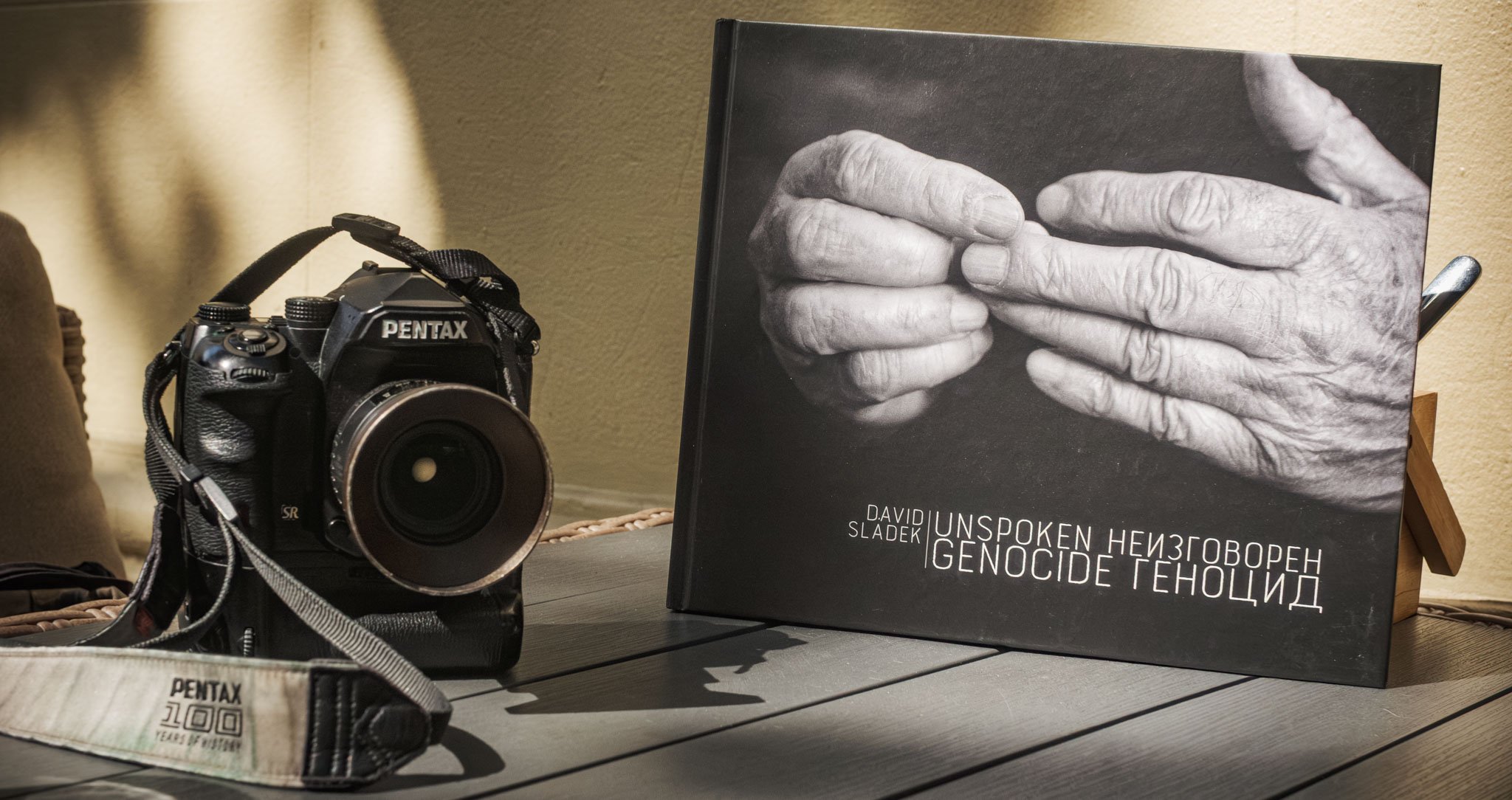
Rob Arrived. Here David is showing his latest project to Rob. After, he signs me a copy of a past project ‘Unspoken Genocide’. Also it appears photographers must wear blue jeans and black tee’s, teehee…

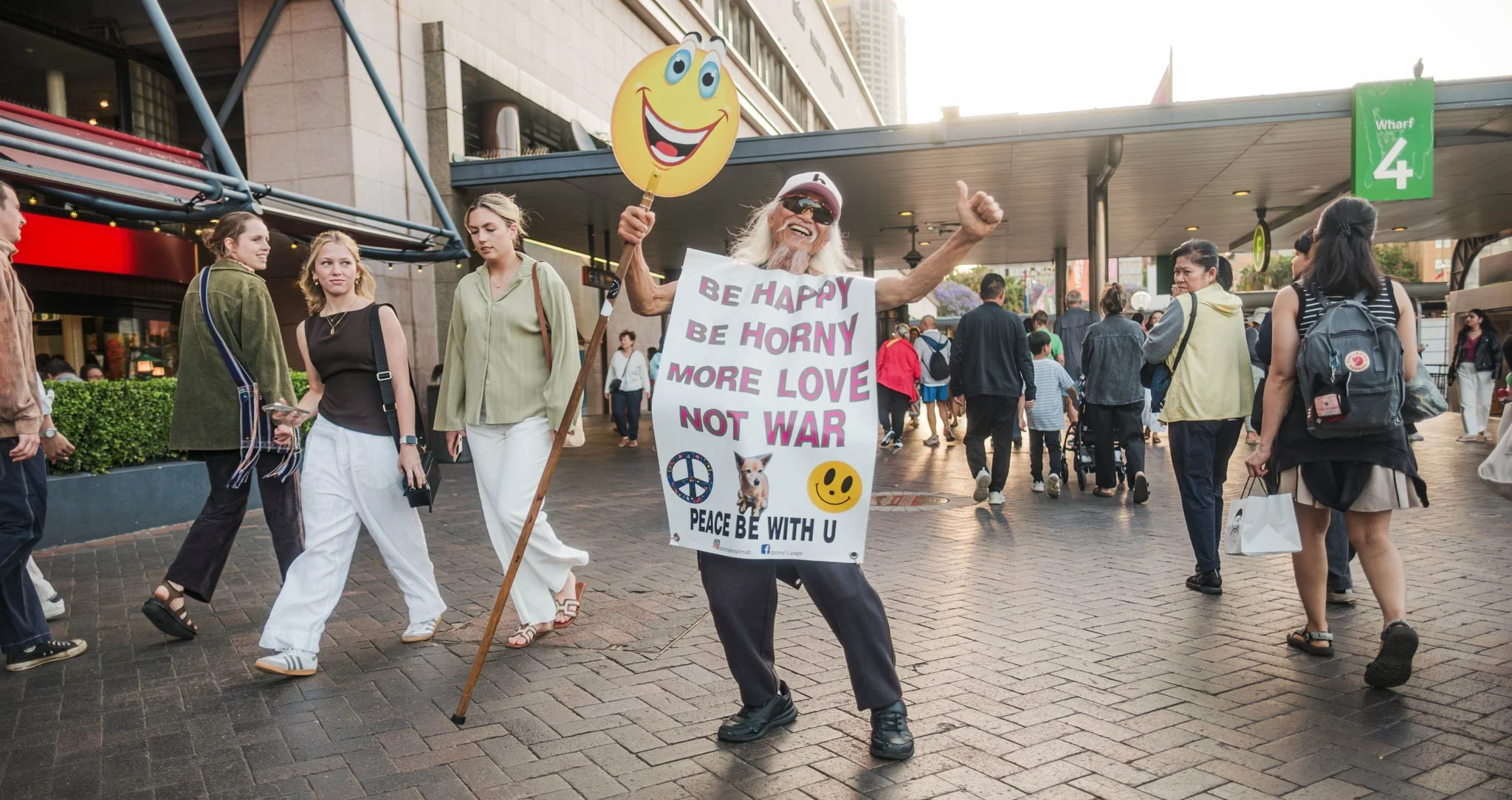
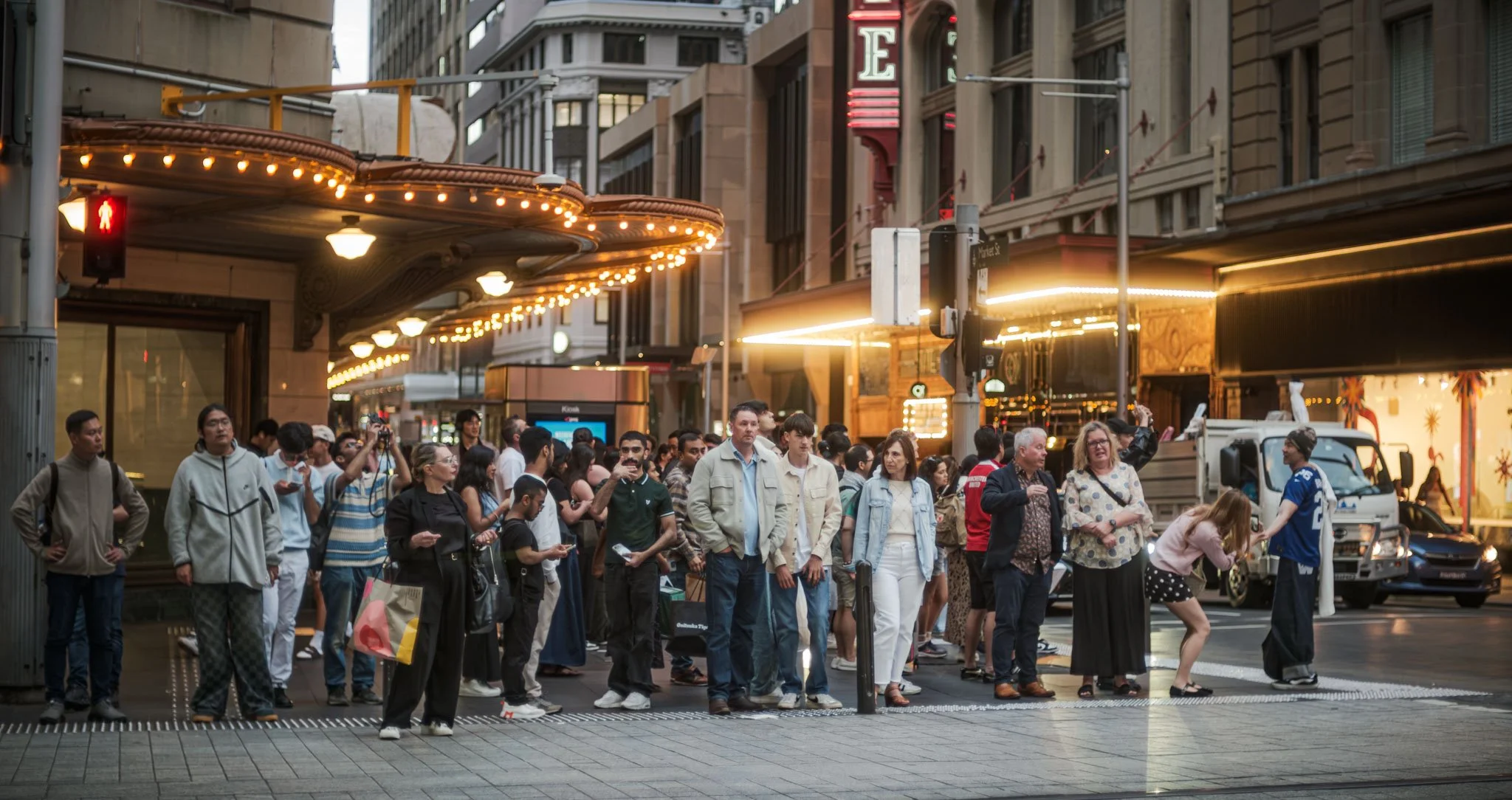
After drinks we headed off towards Circular Quay and the Opera House. The following images are just some my own shots (taken with aforementioned gear).
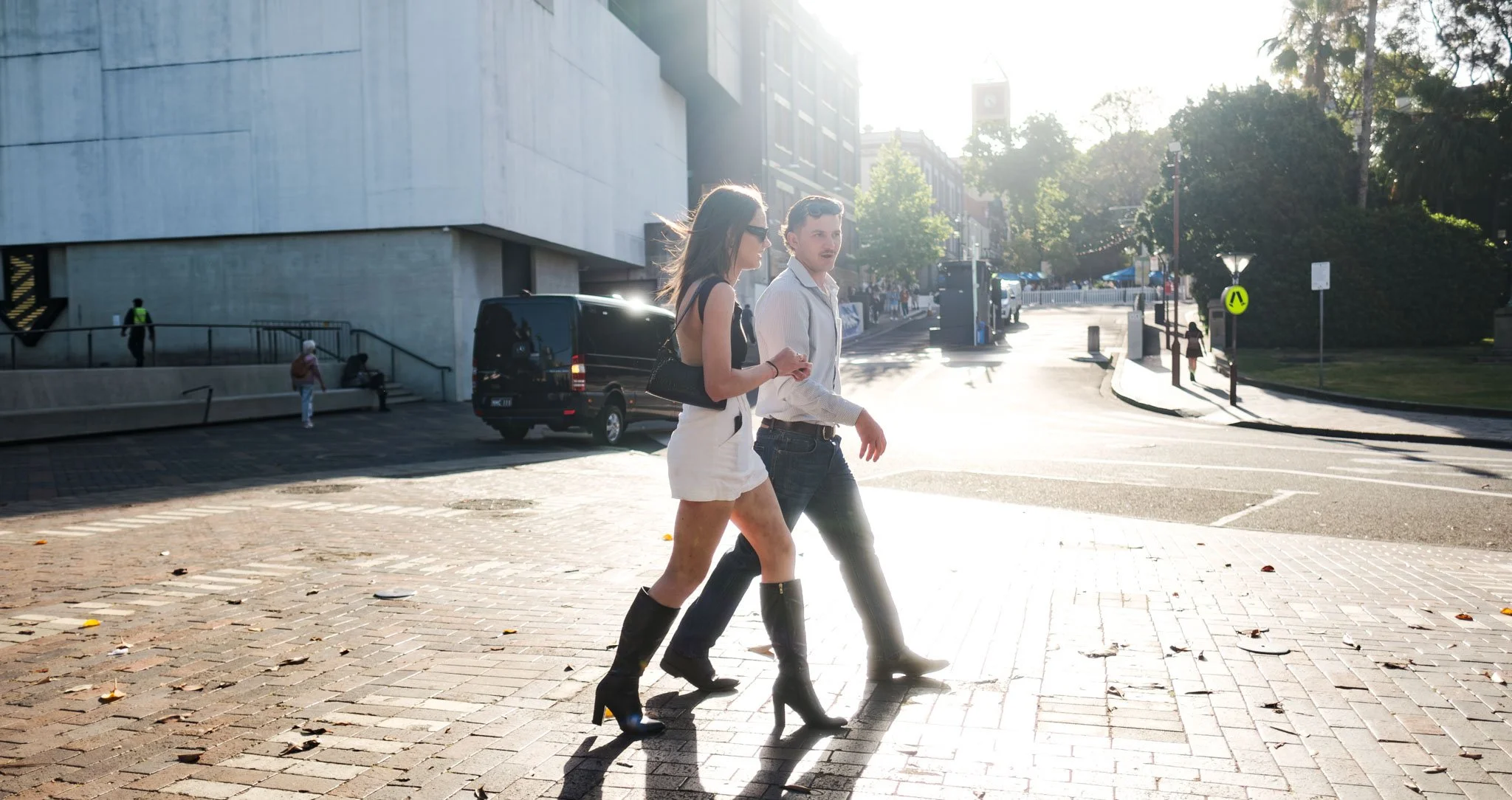
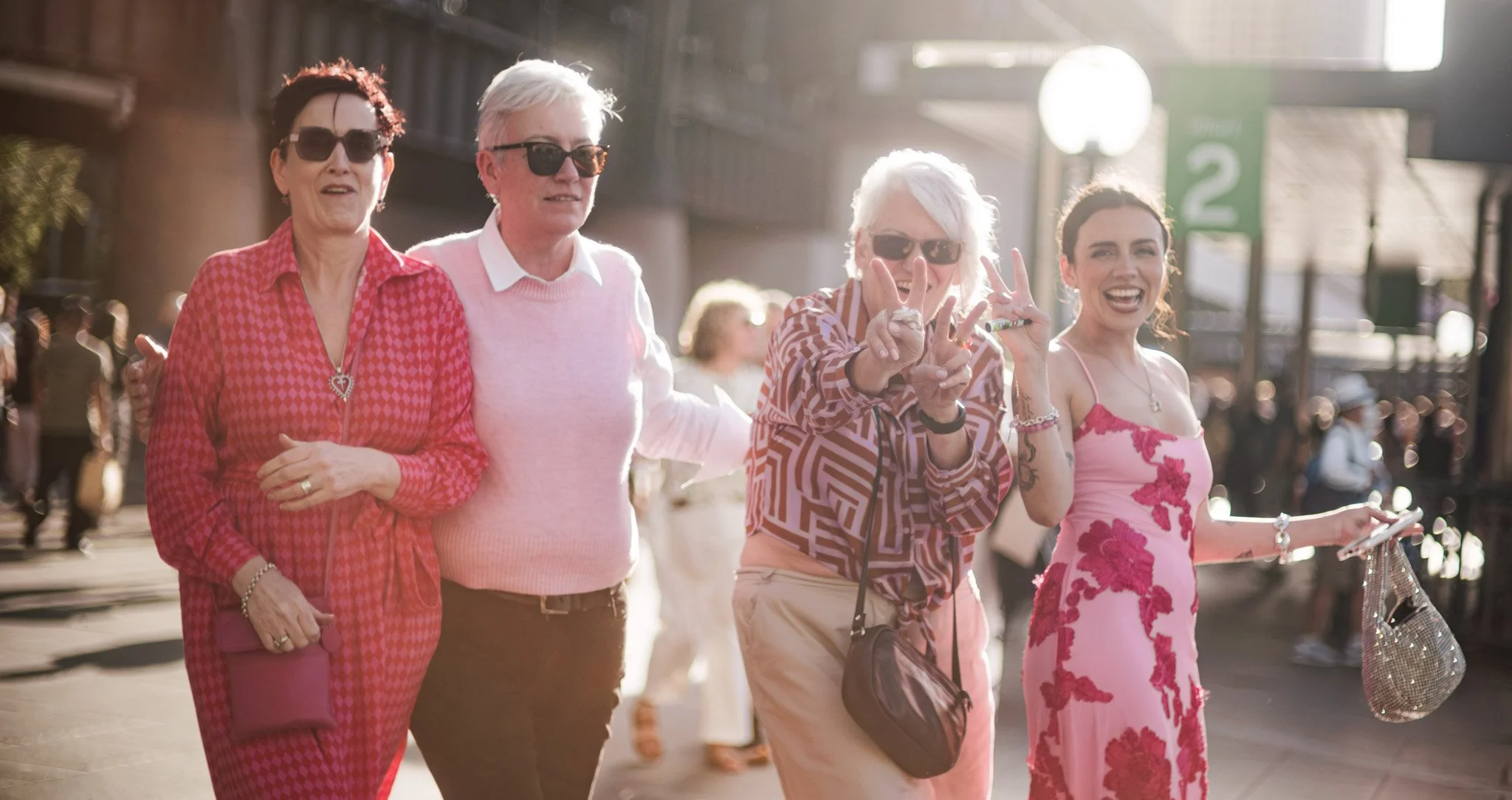
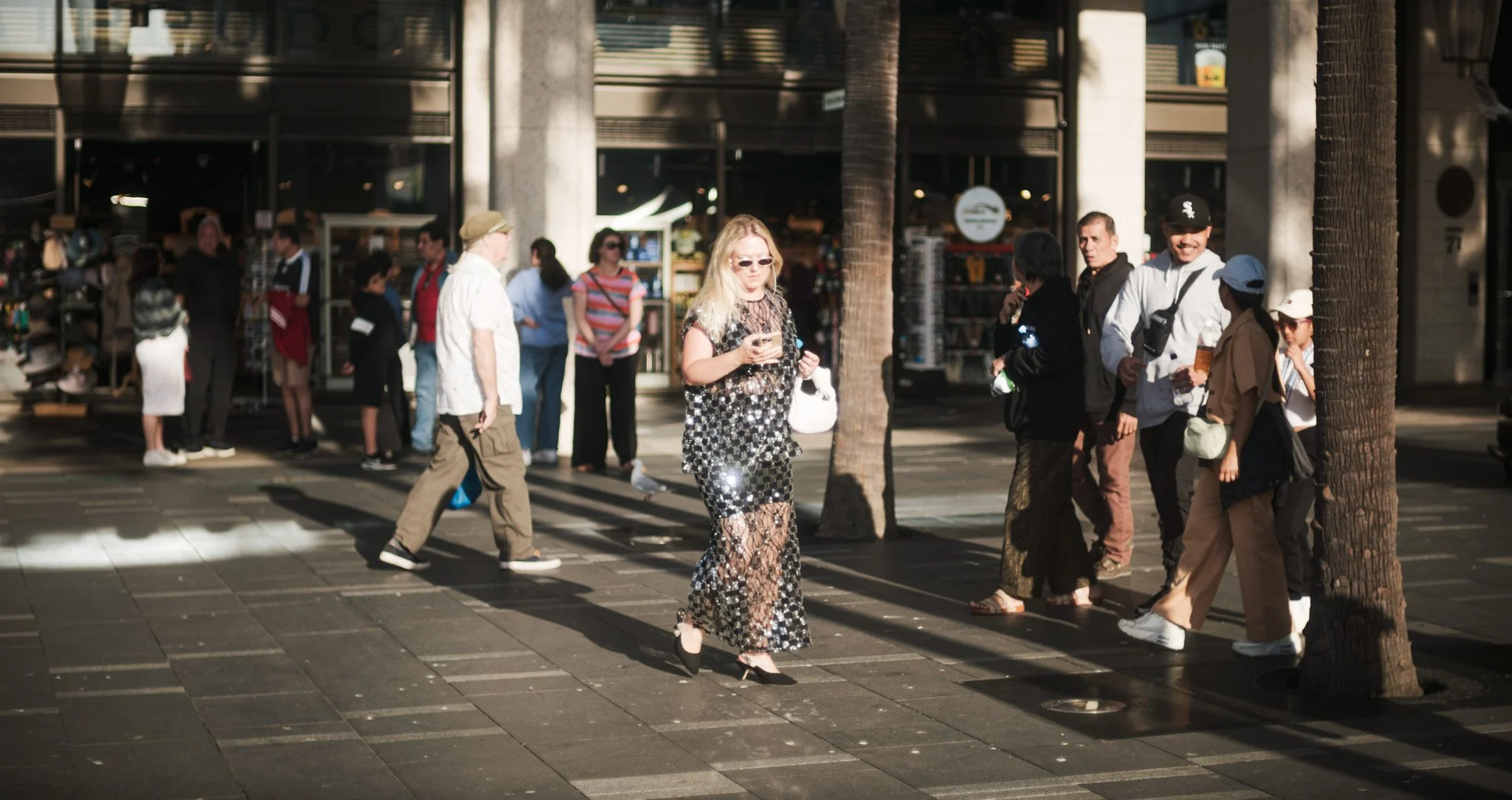
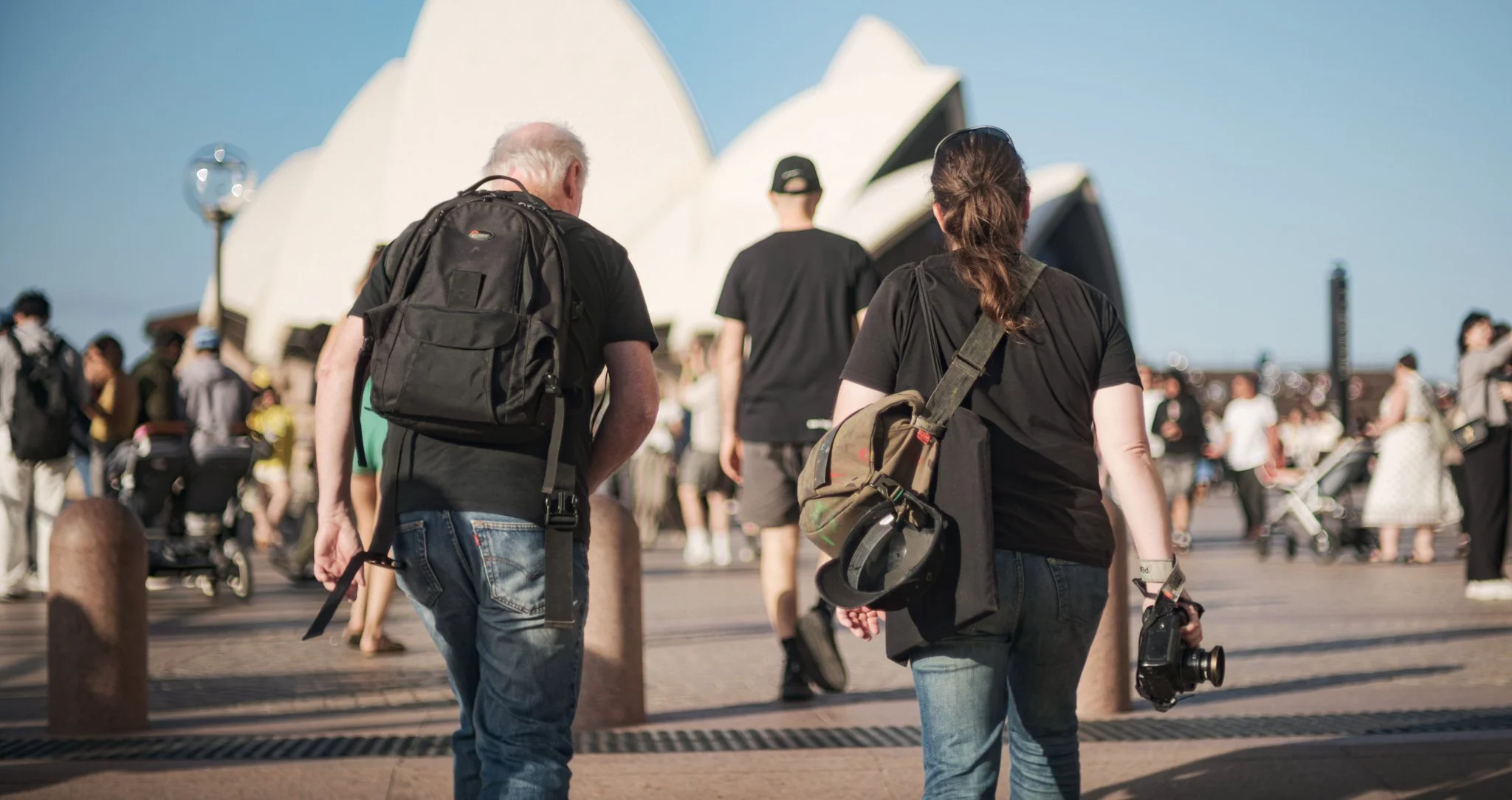
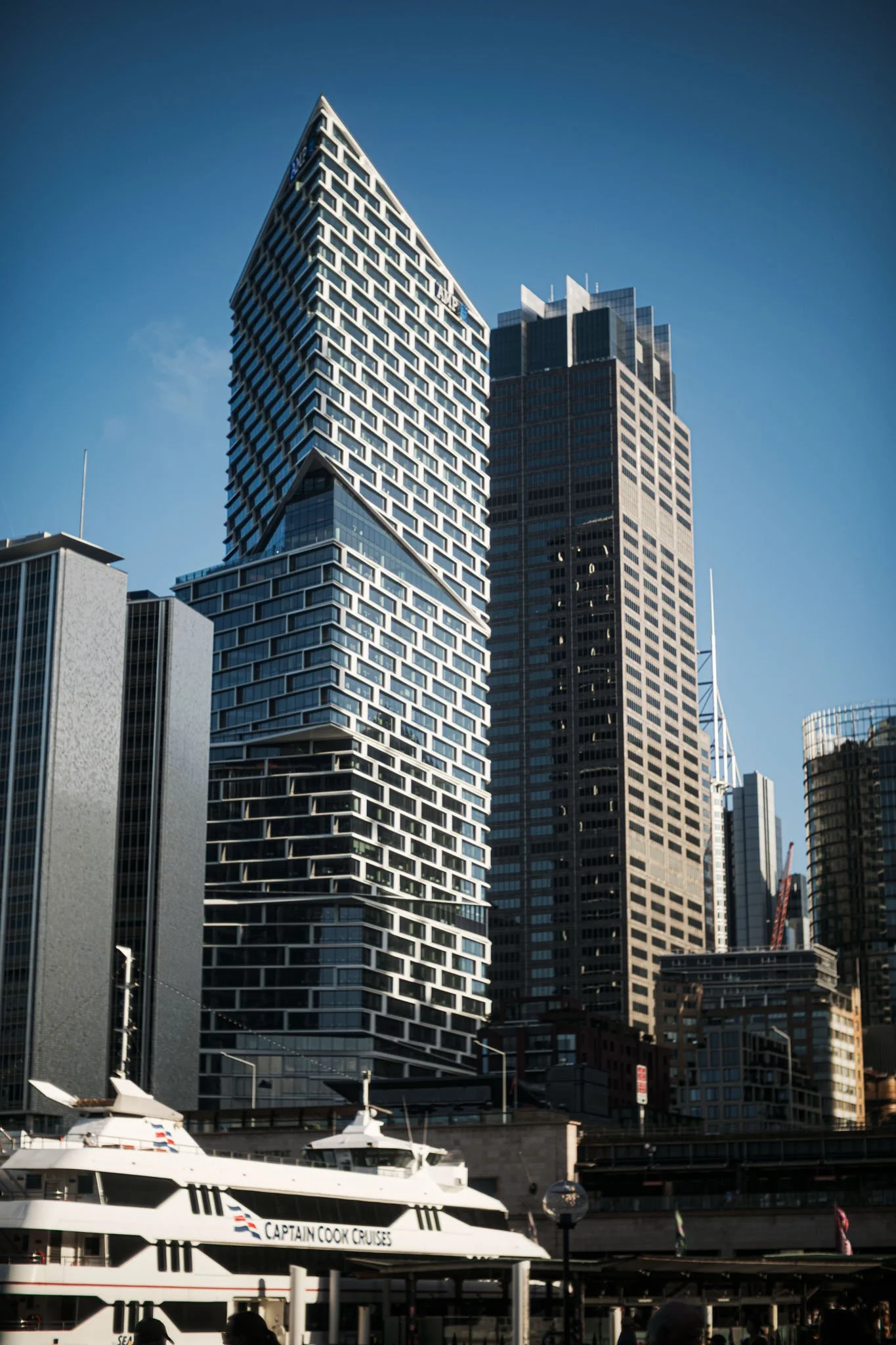
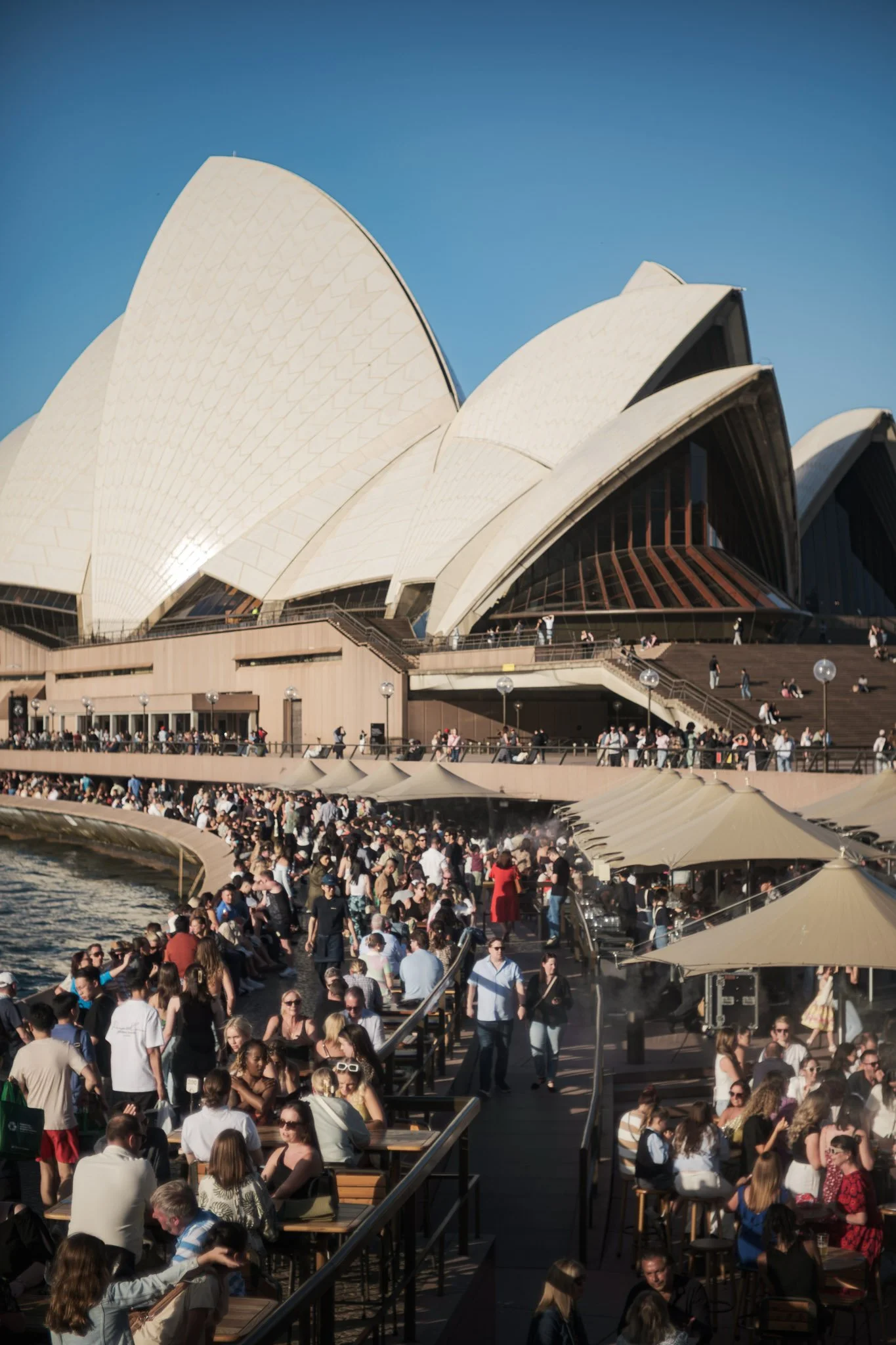
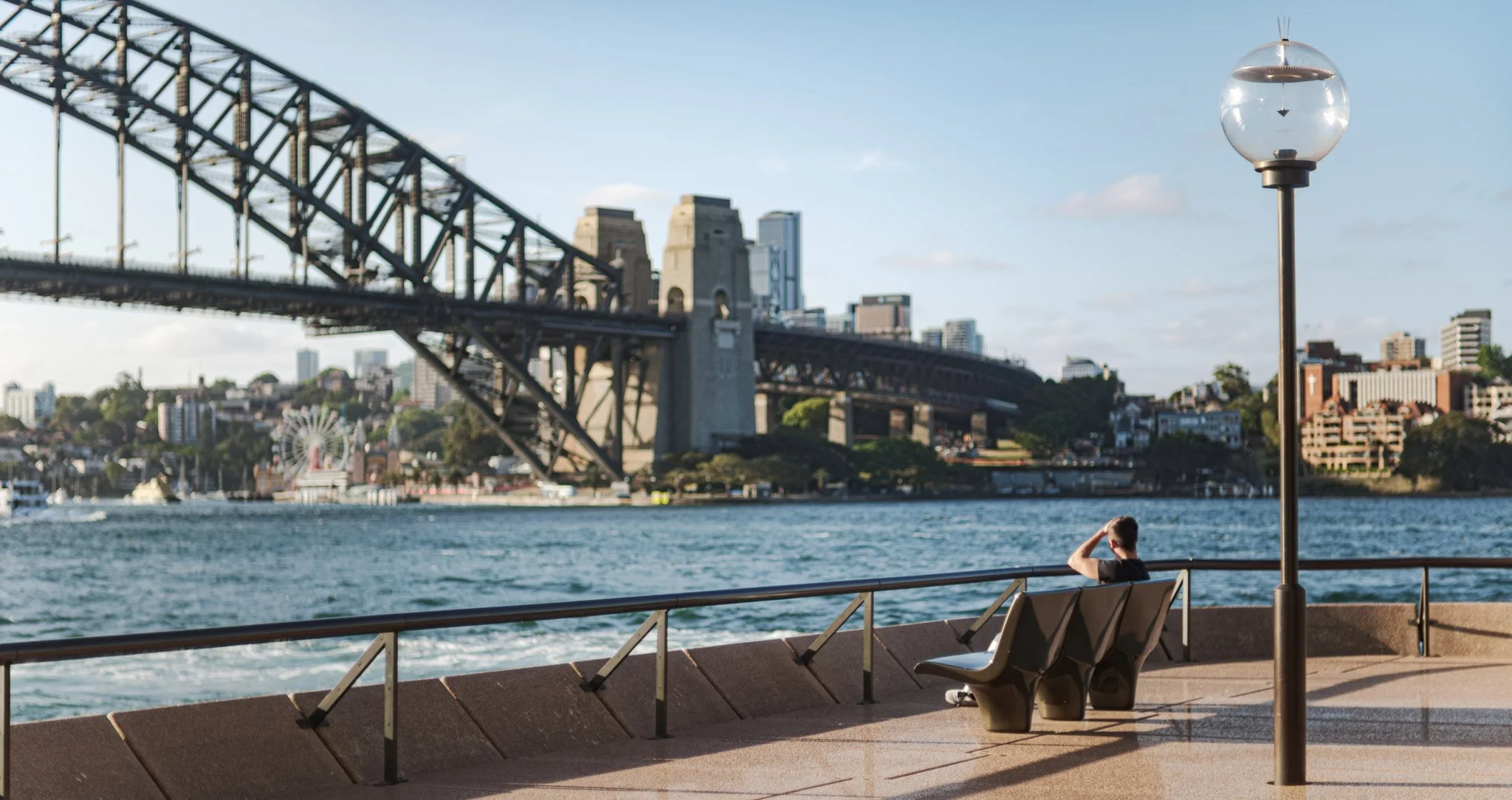
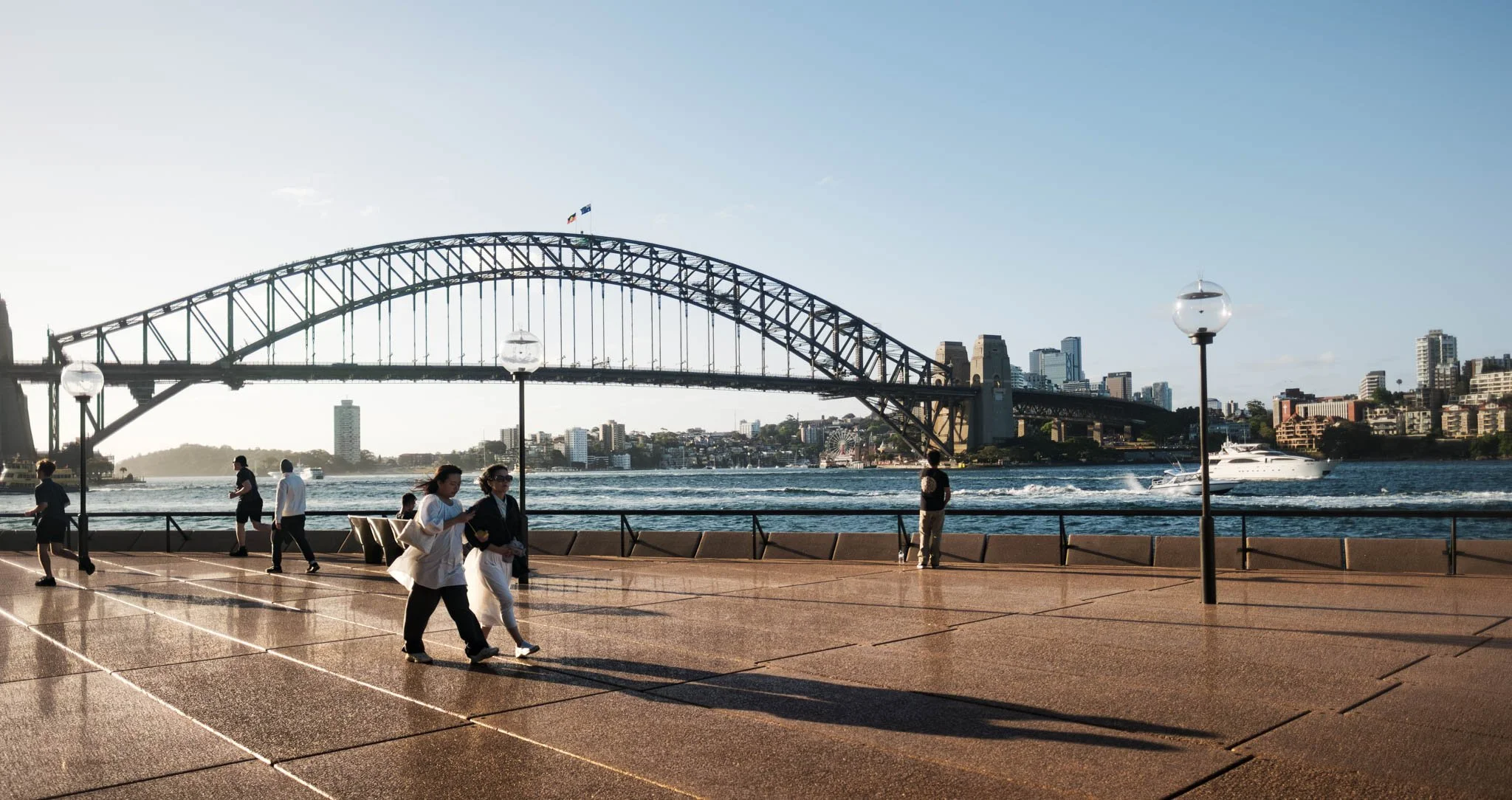
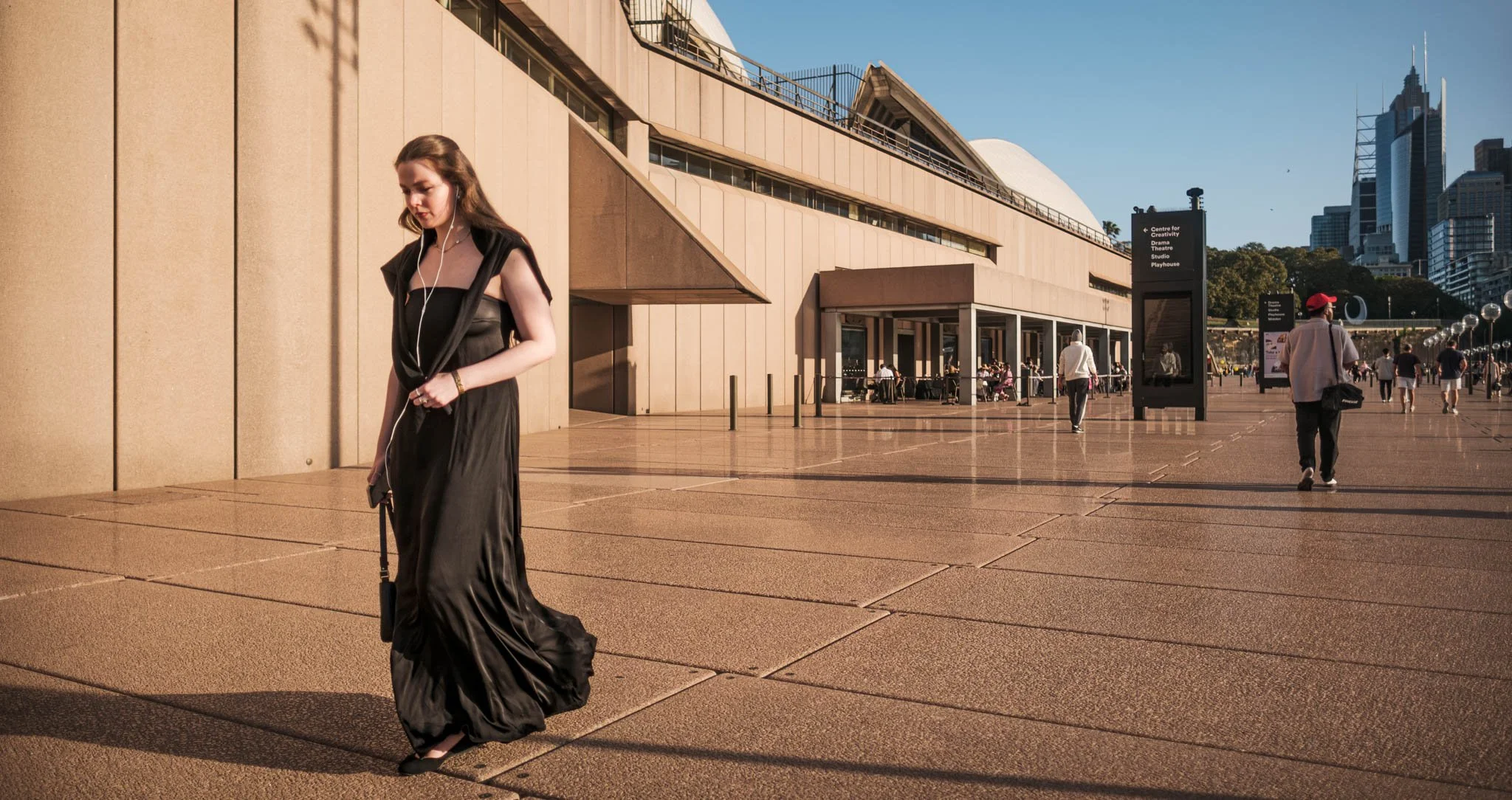
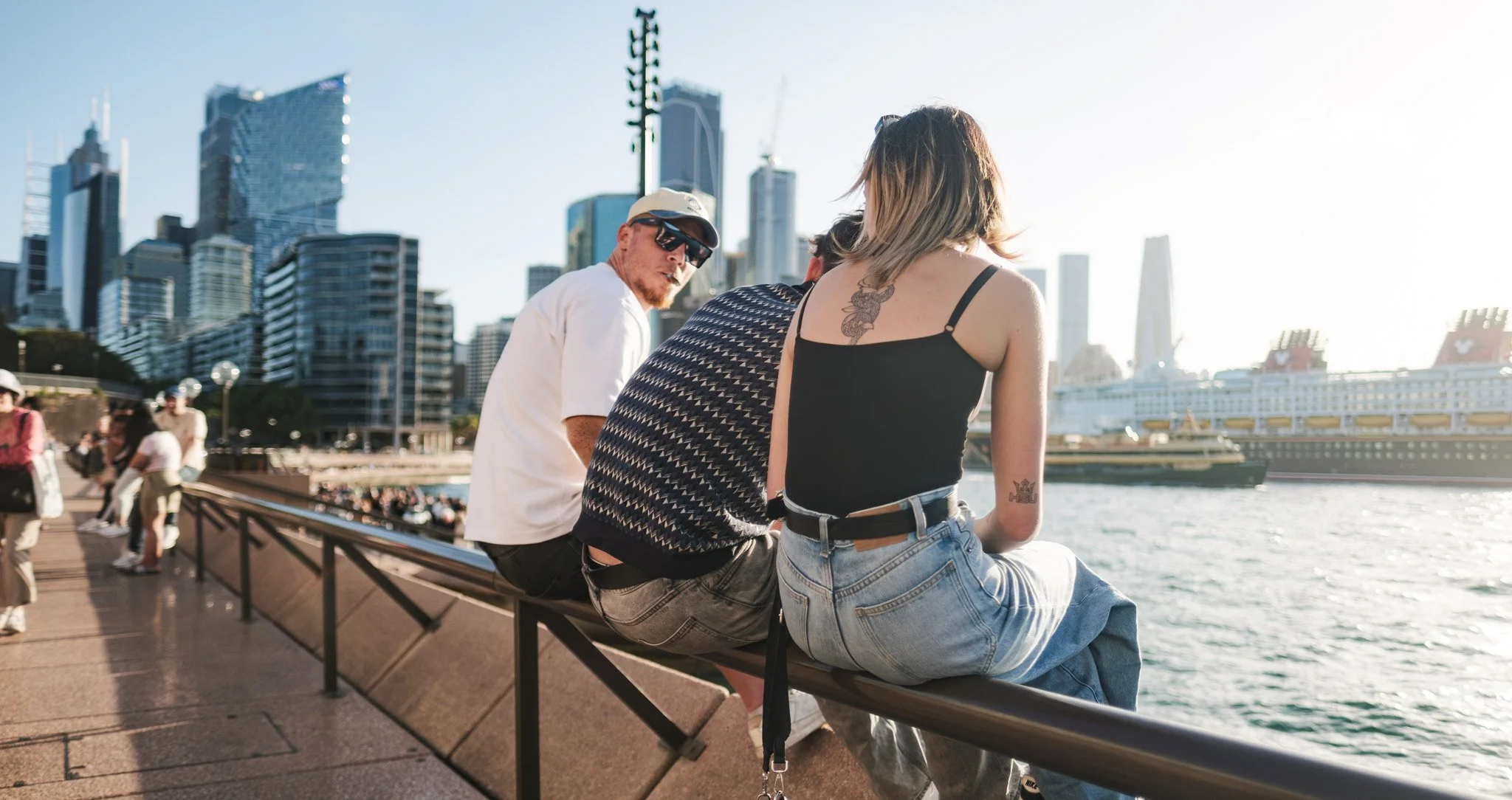
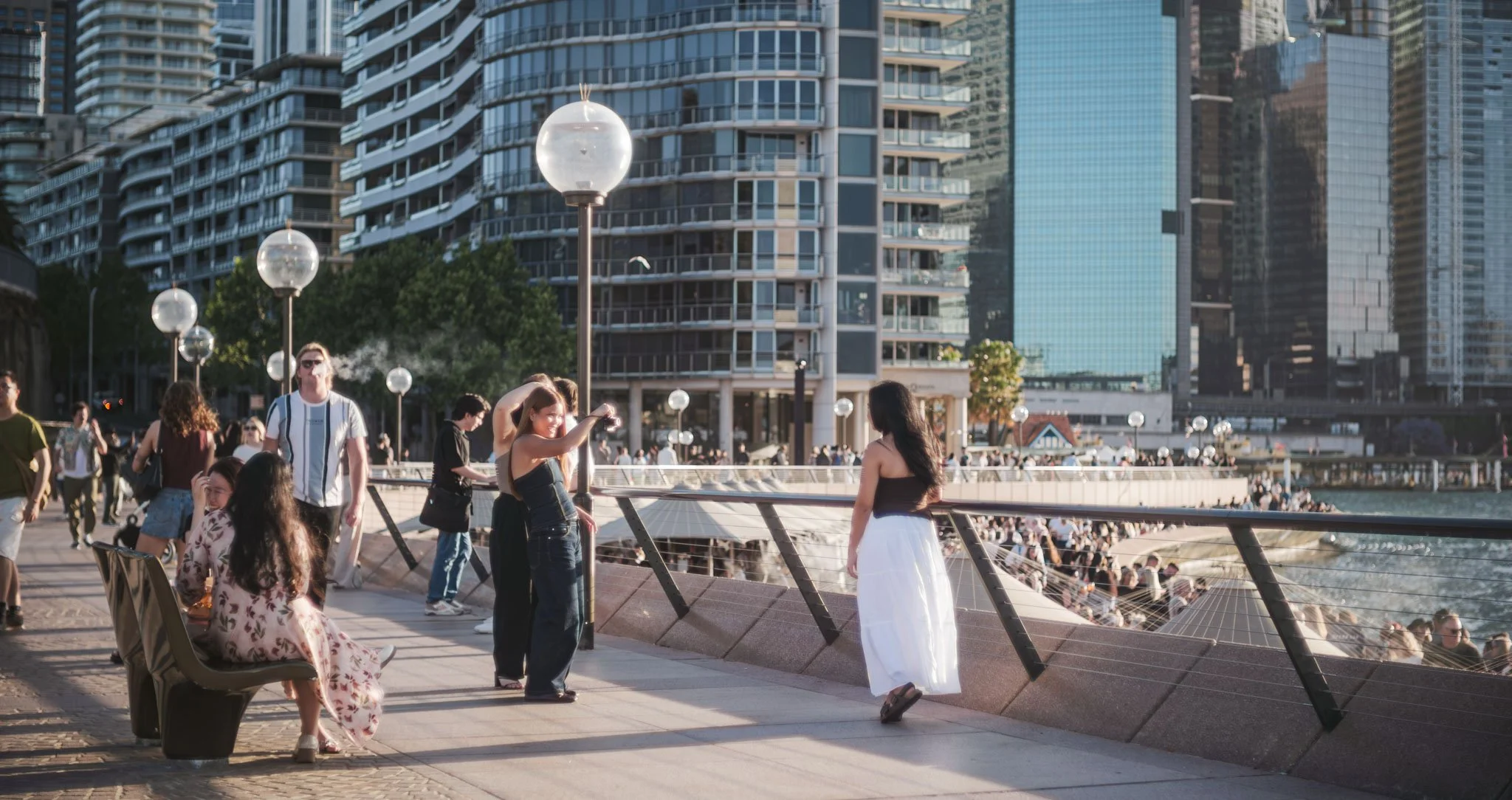
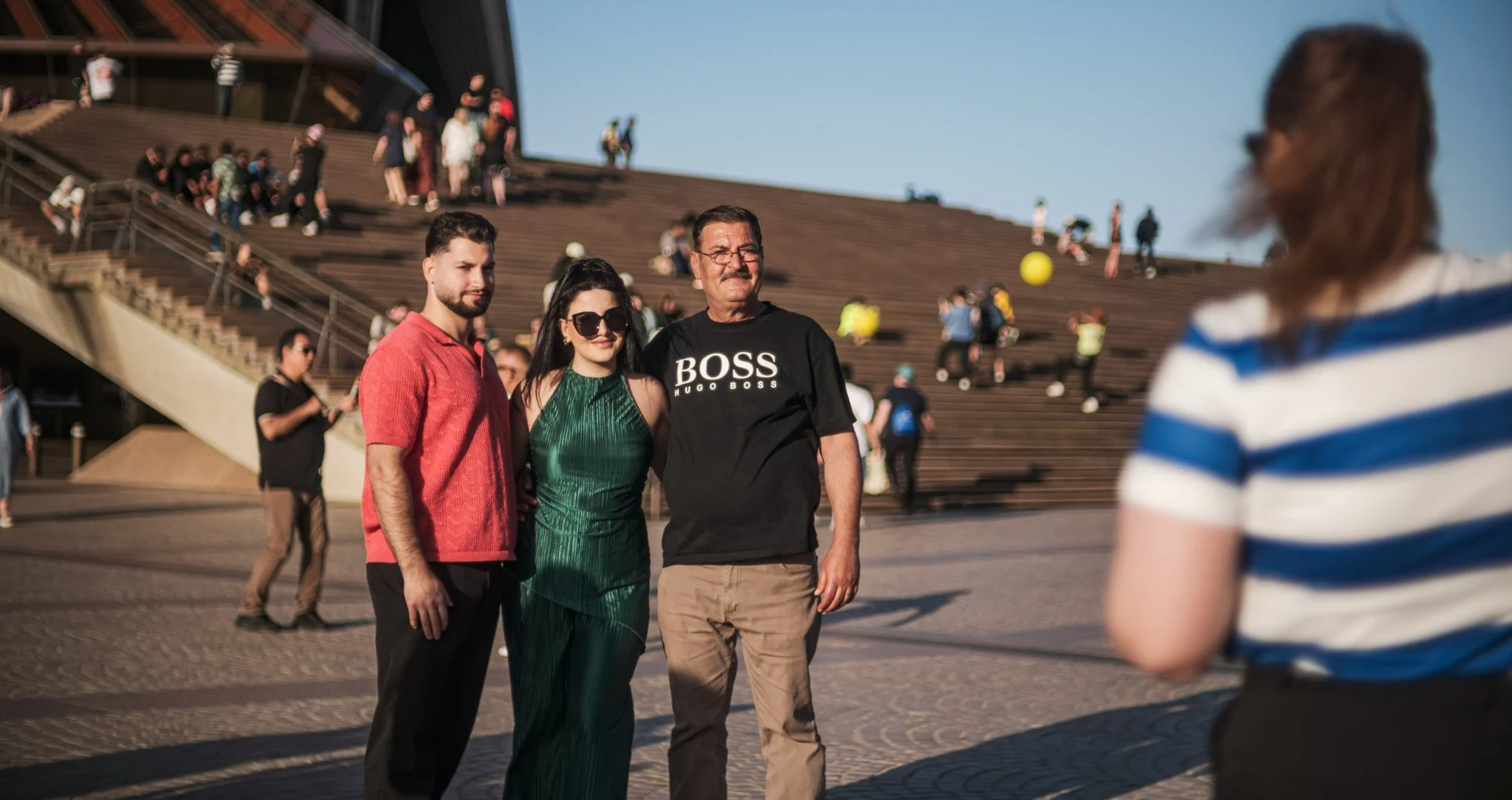
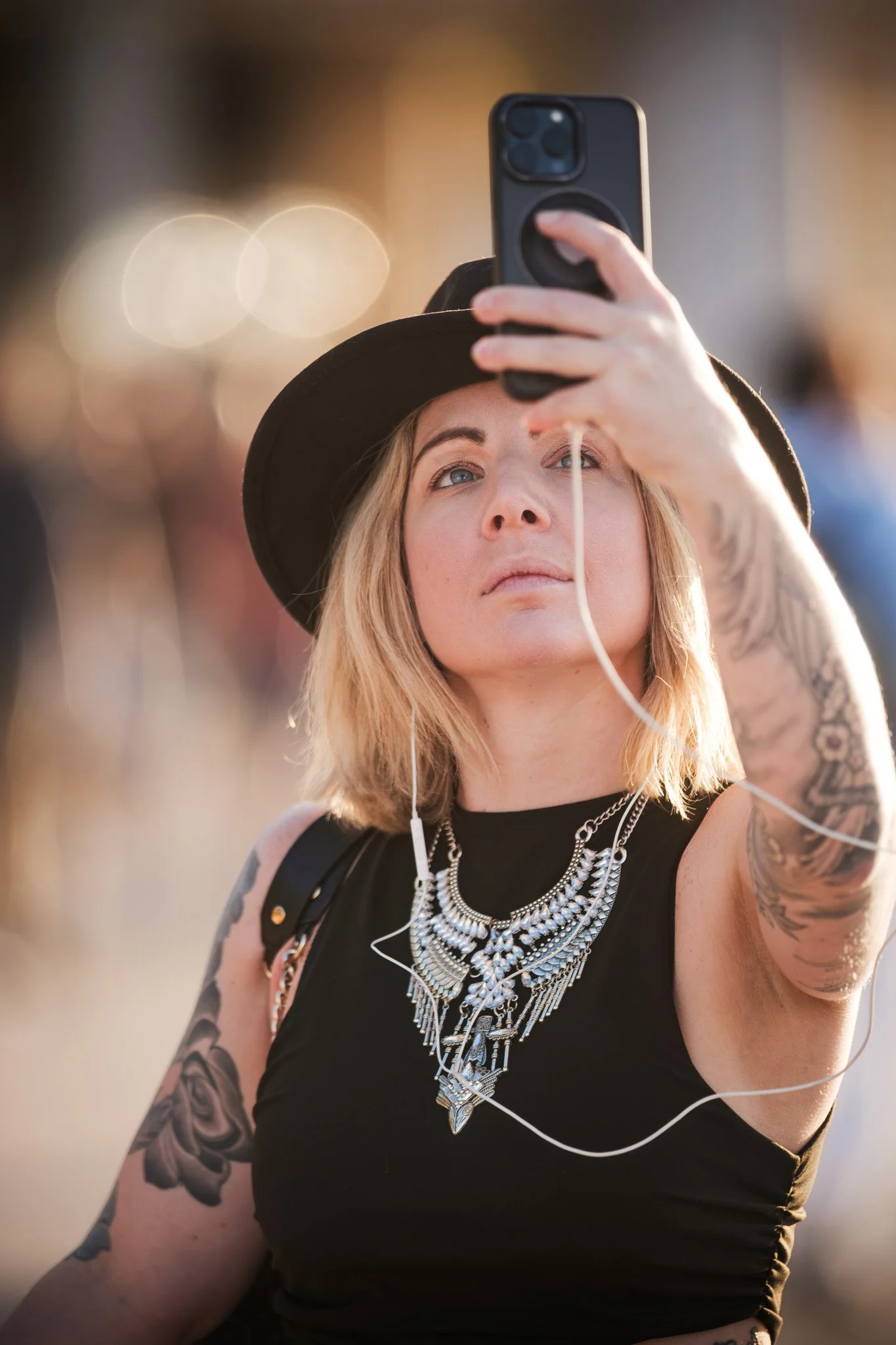
It’s been awhile since I played with the XF16/1.4, I forgot how impressive it is. Paired with the Canon 50/1.2 I really enjoyed the results. But now it was time to play with the 200 :)
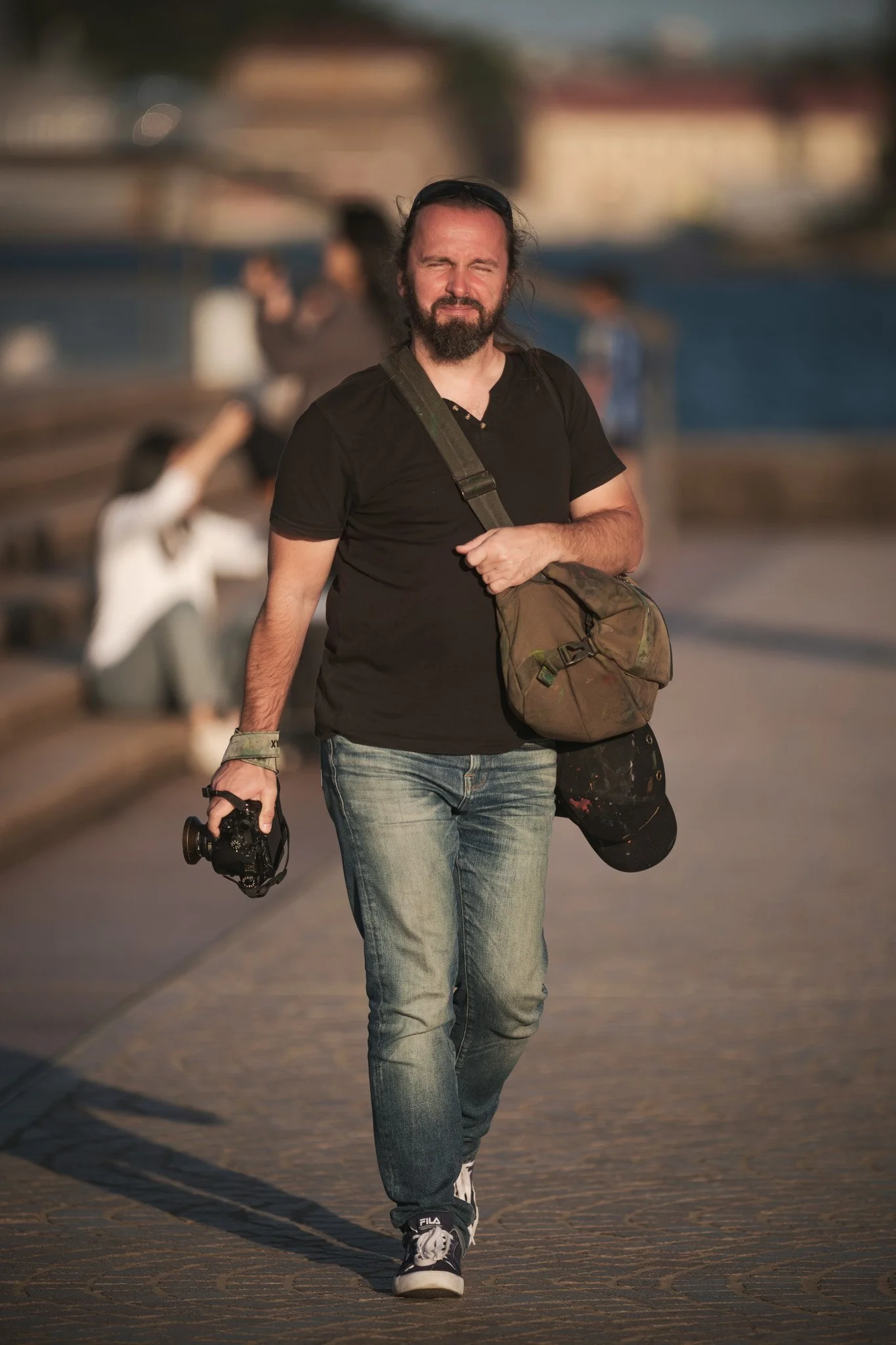
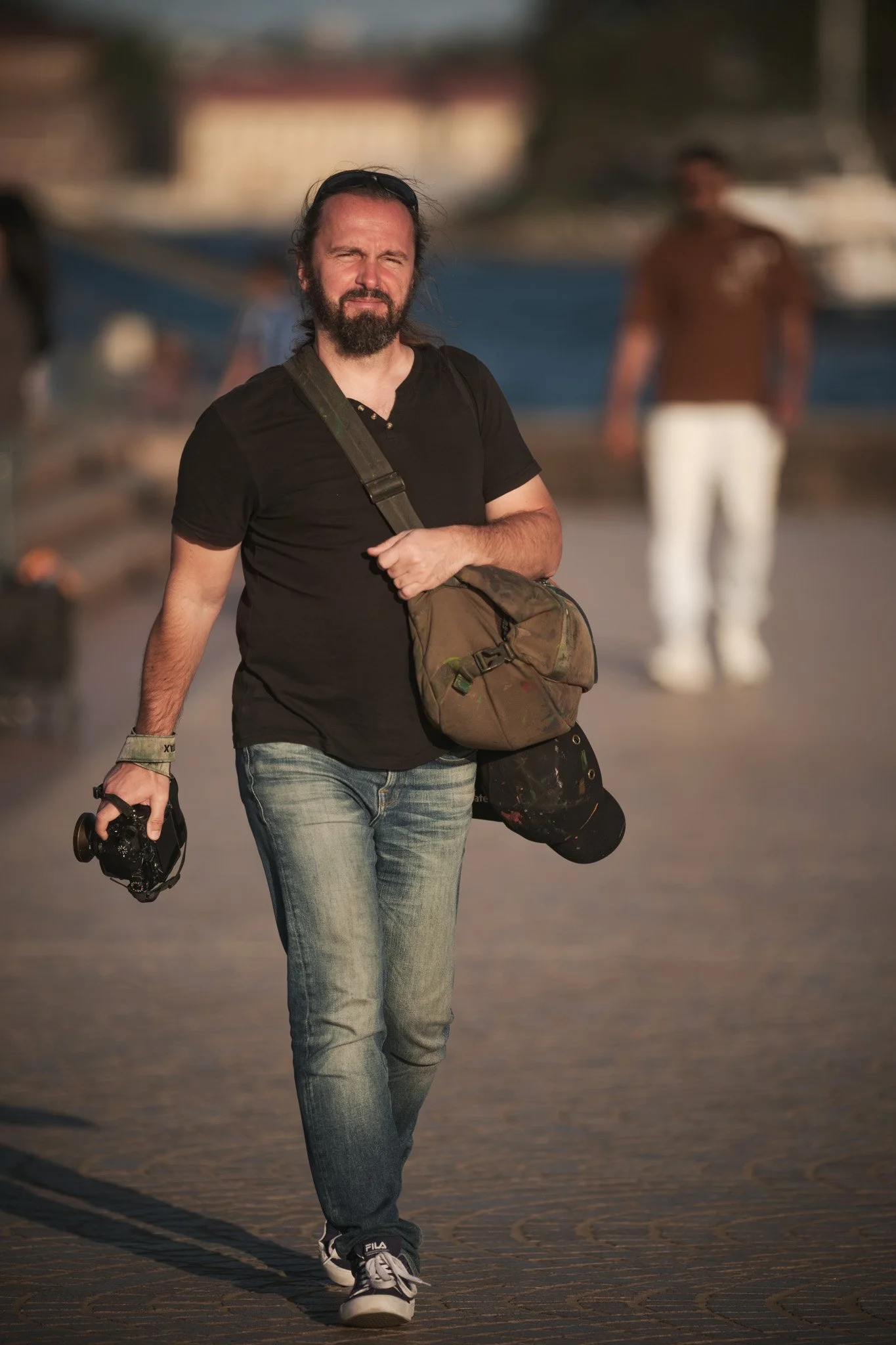
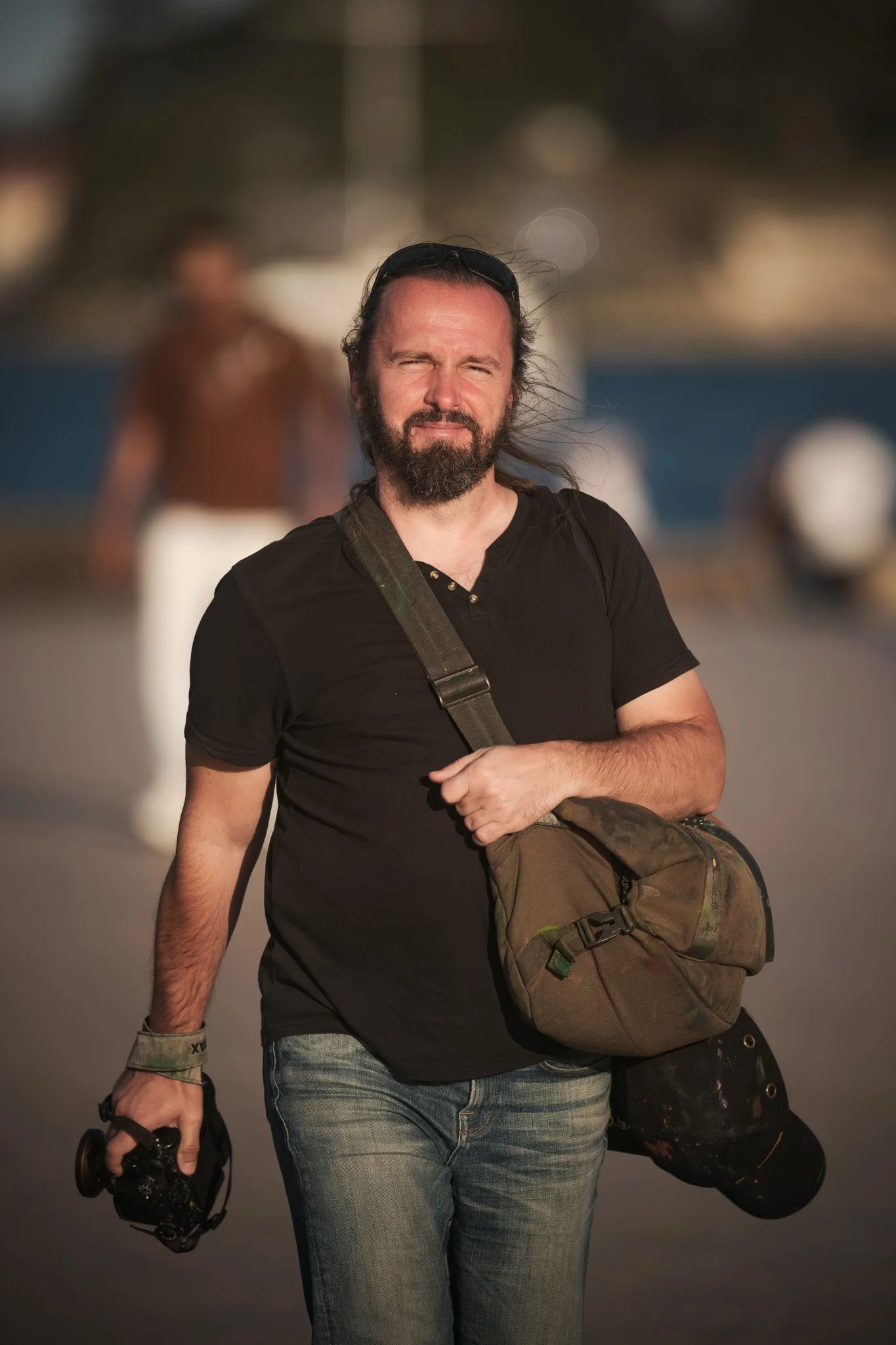
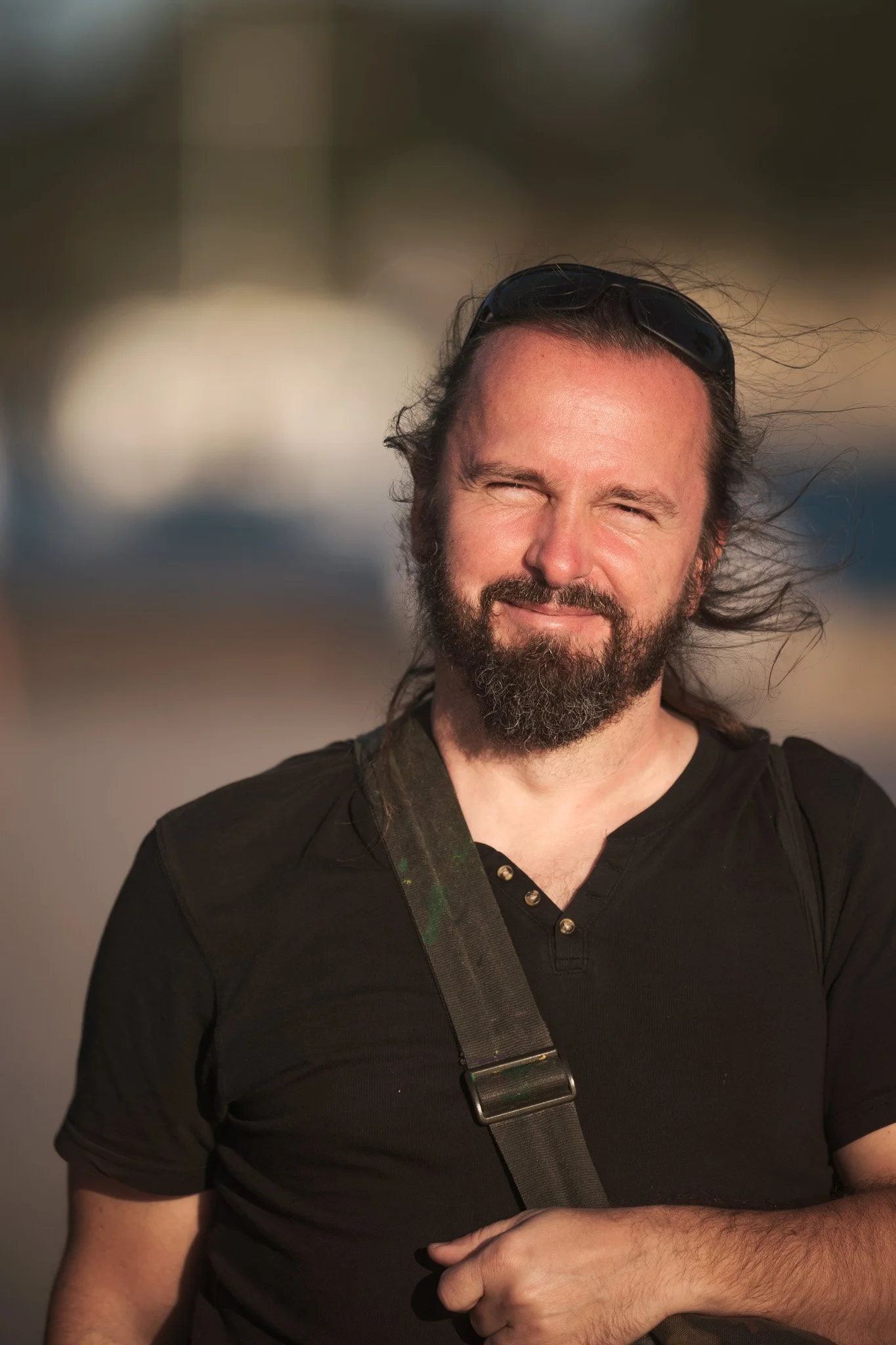
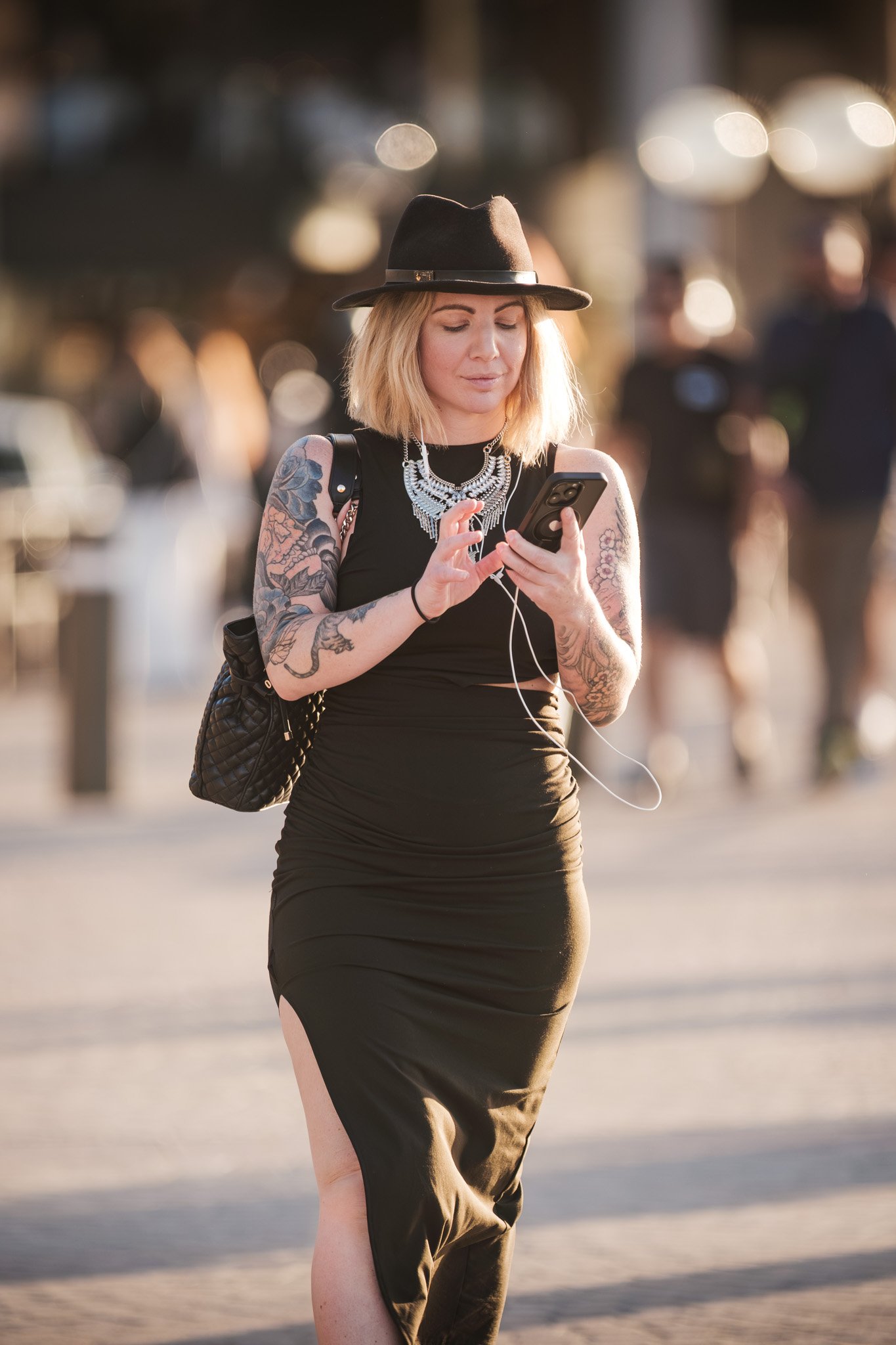
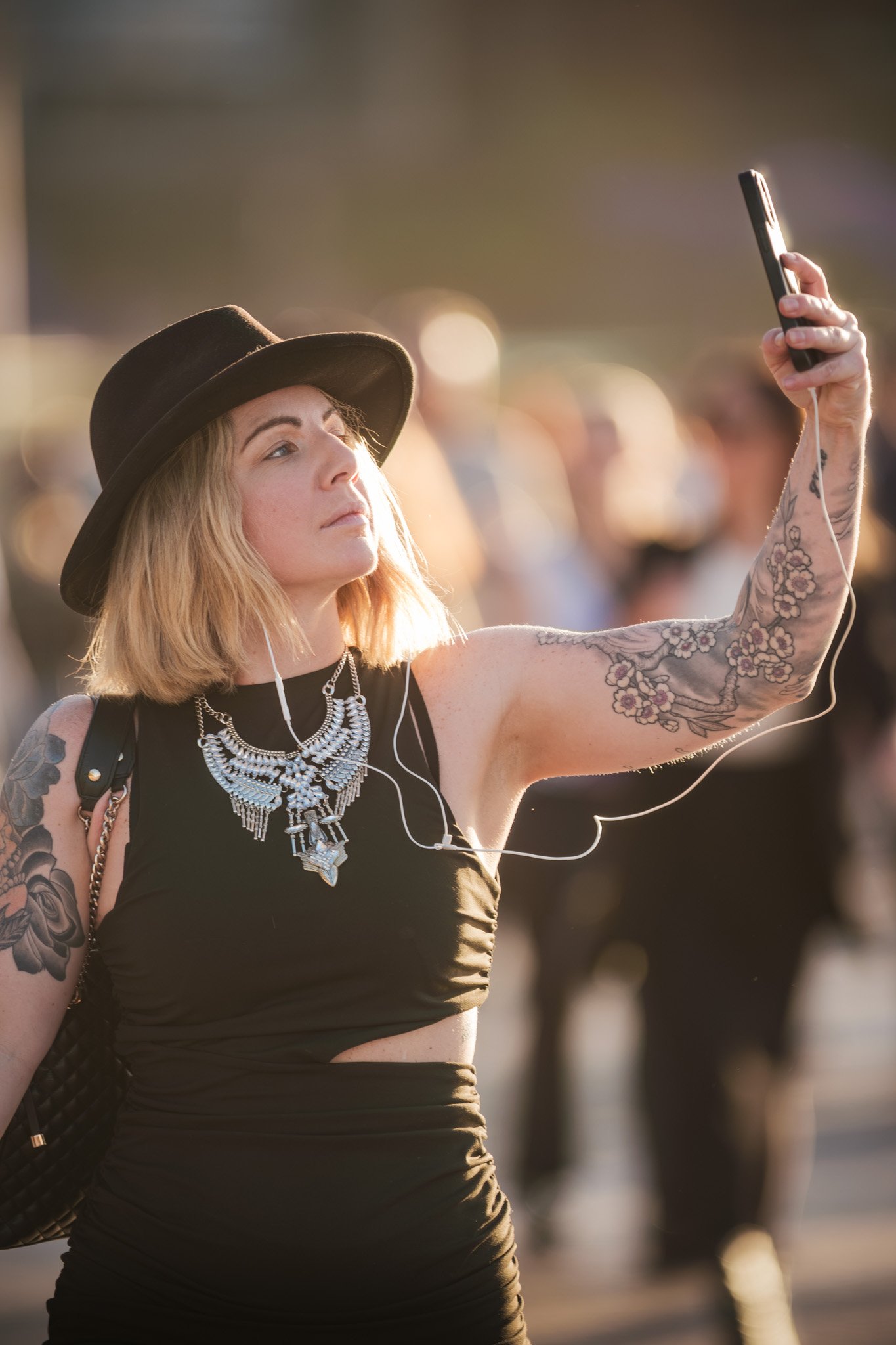

That 200mm look… there’s nothing quite like it…
I spotted a couple of wedding shoots happening on the stairs so of course I had to capture them.
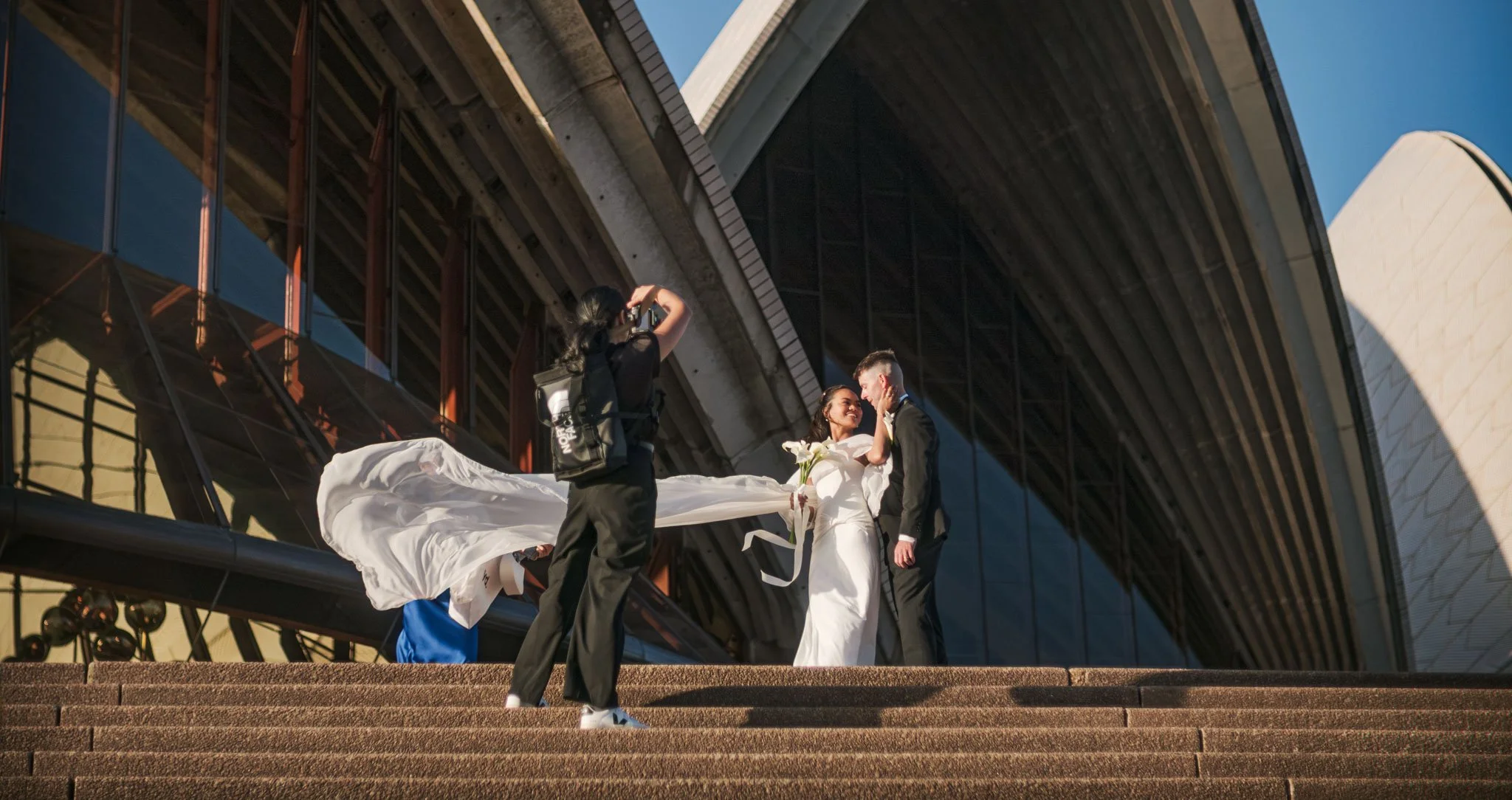
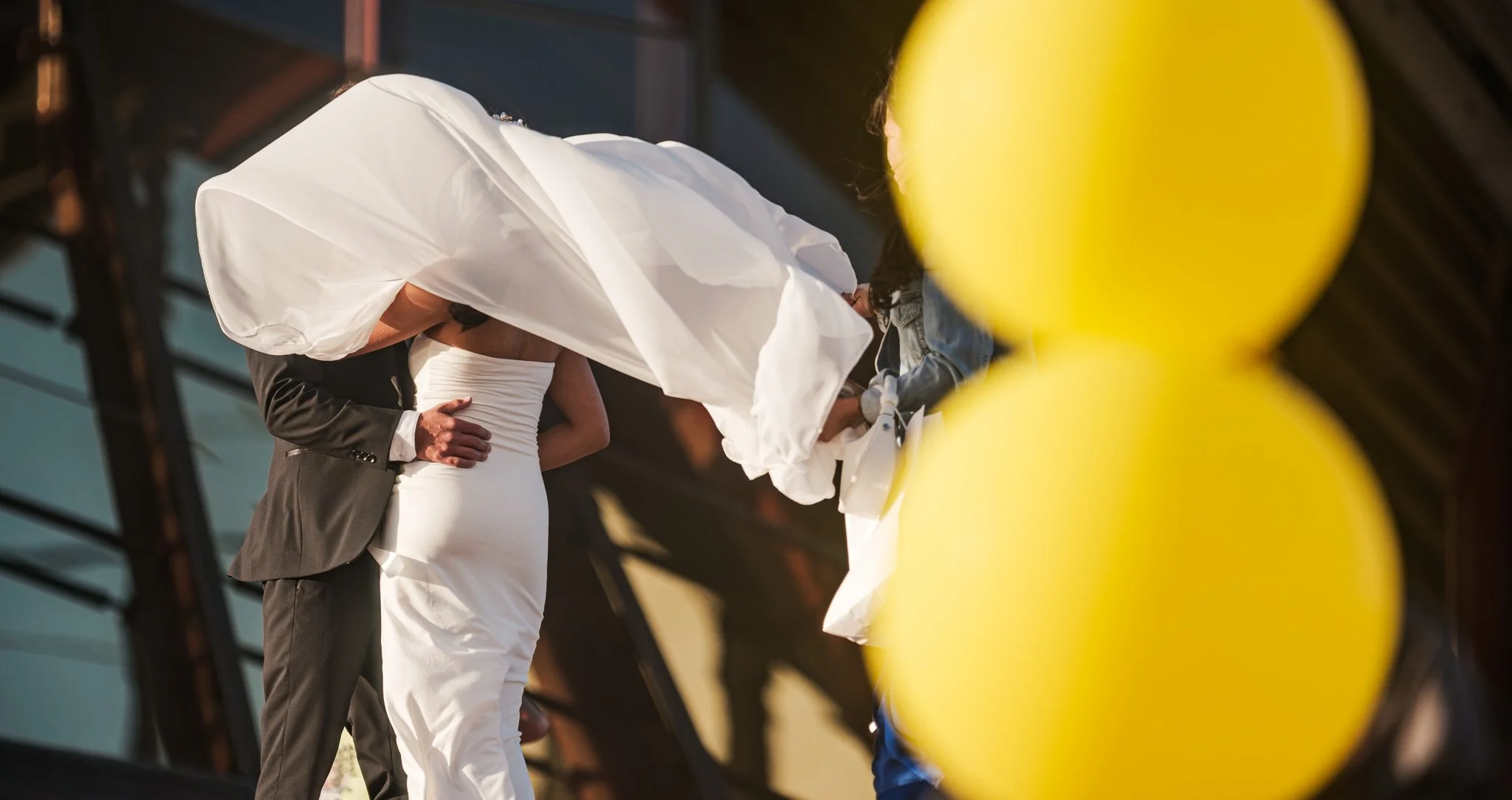
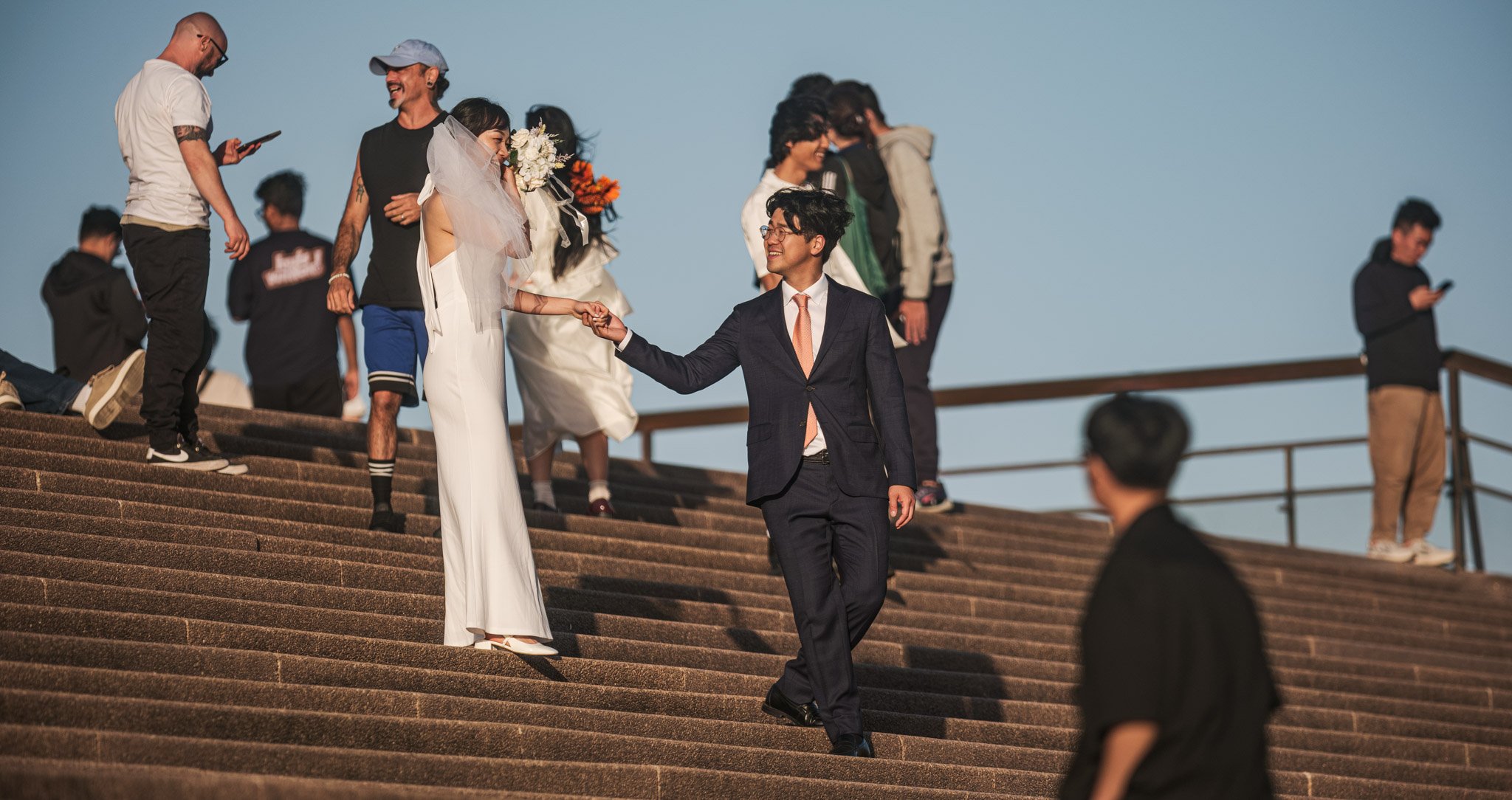
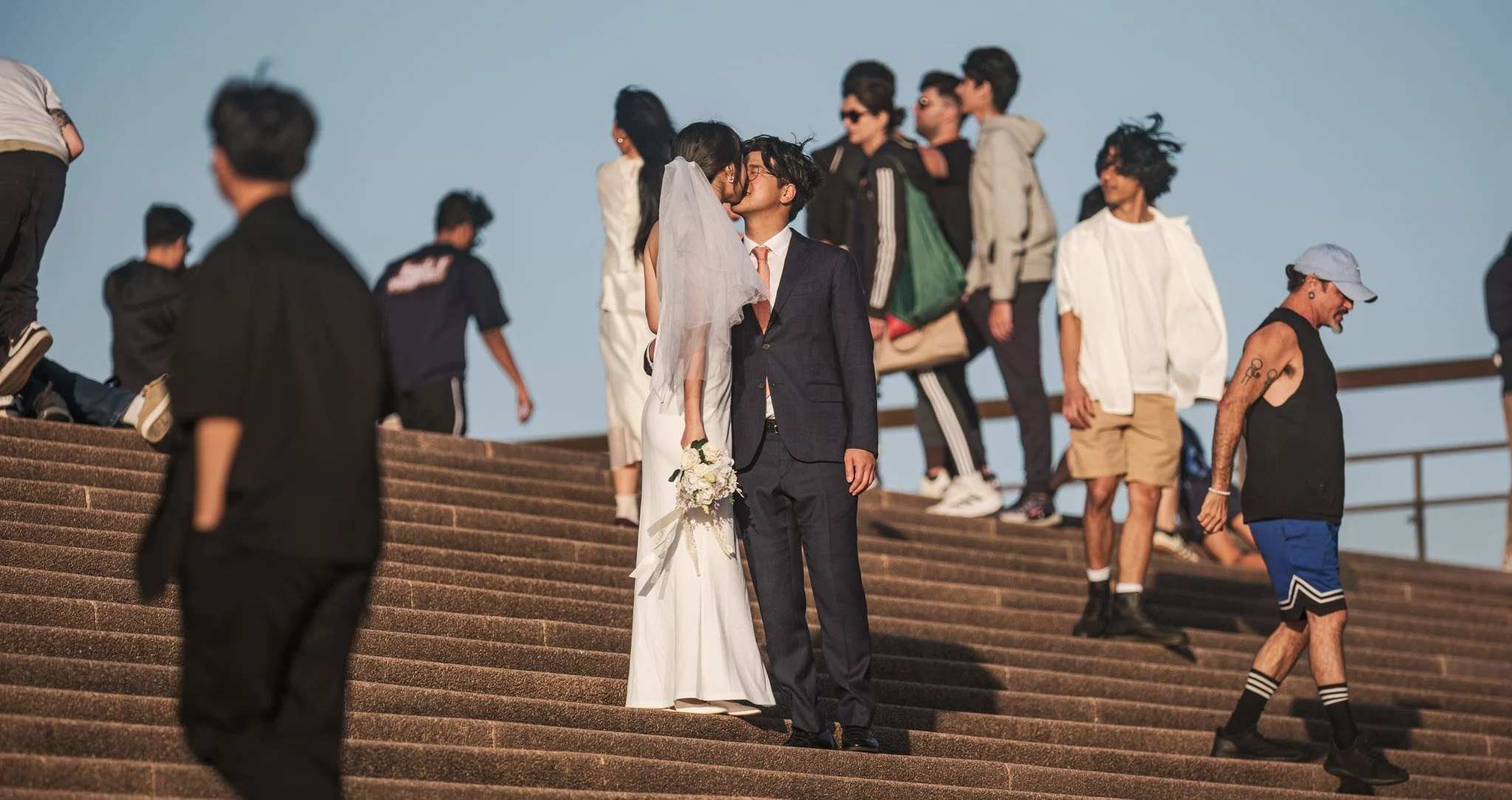
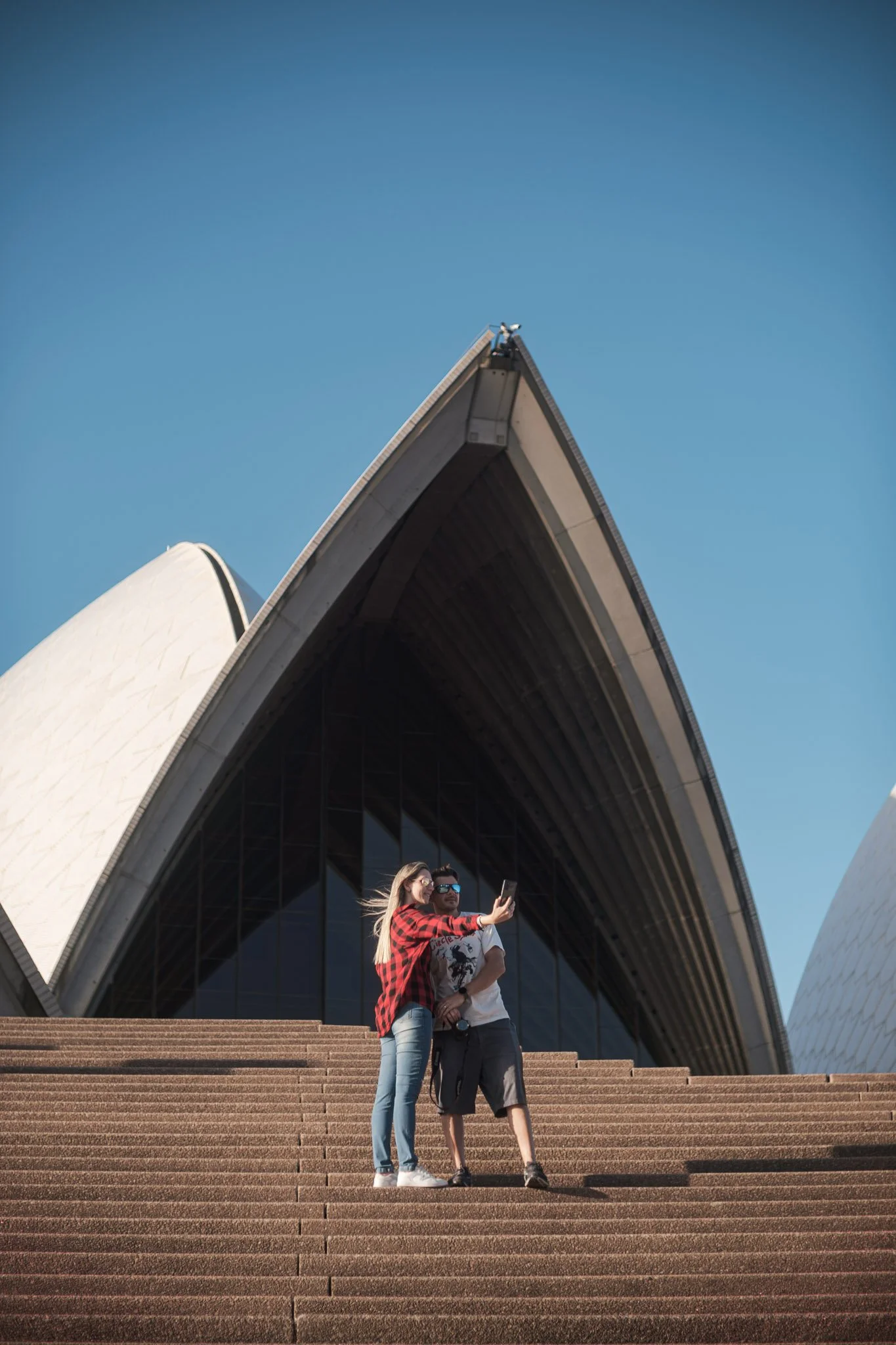
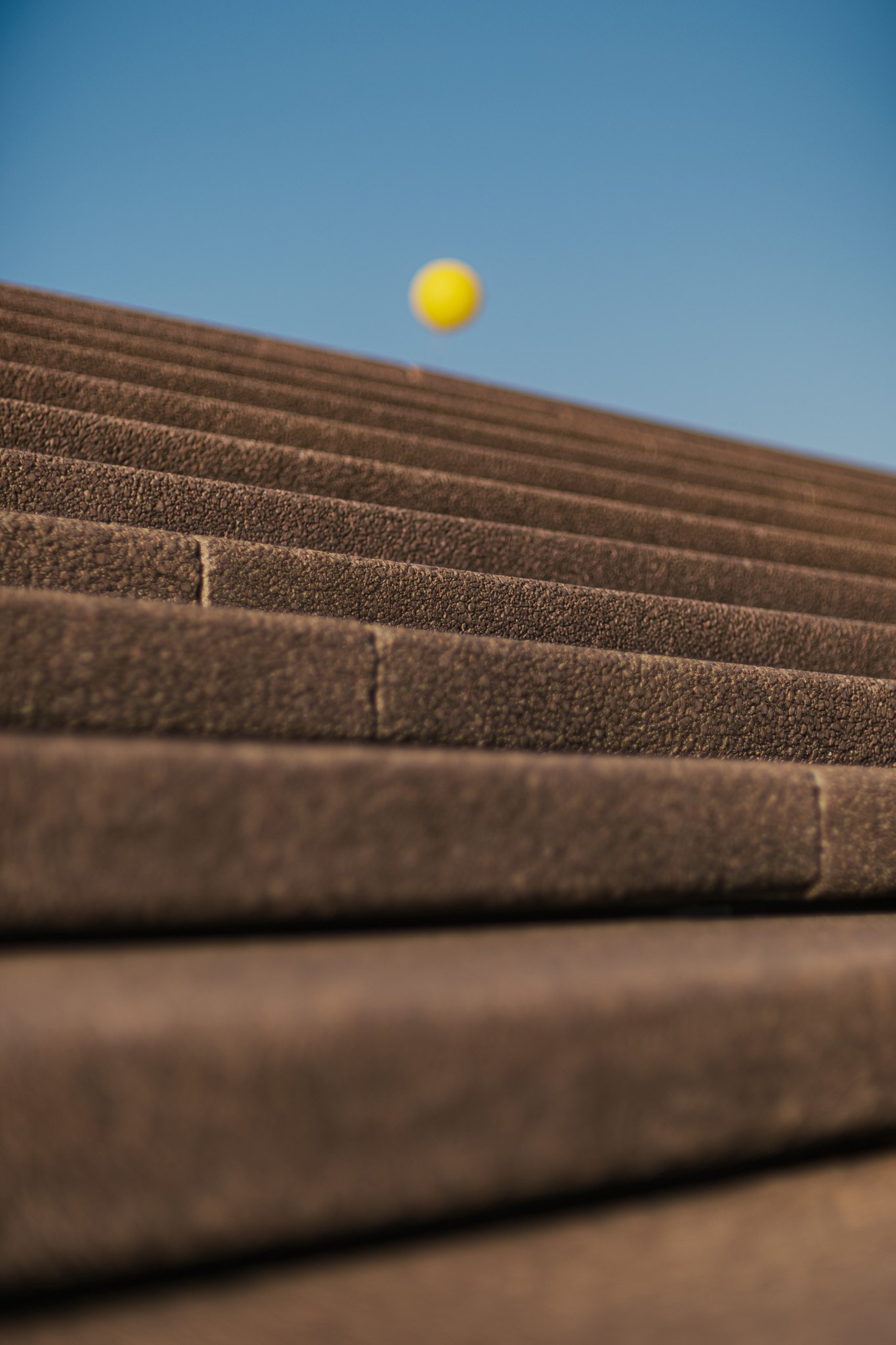
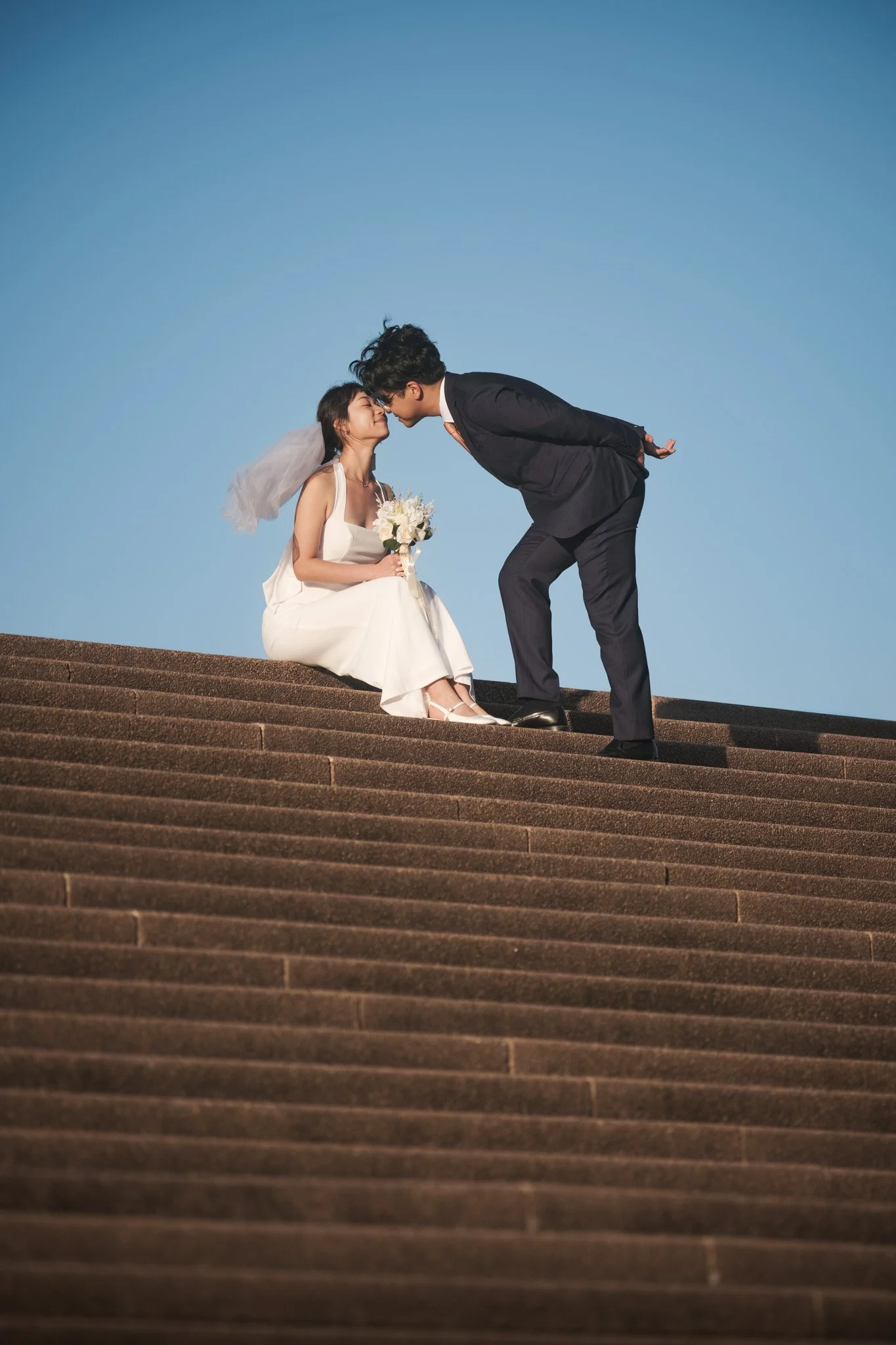

After the shenanigans, we headed back into town for one last drink before catching trains home.
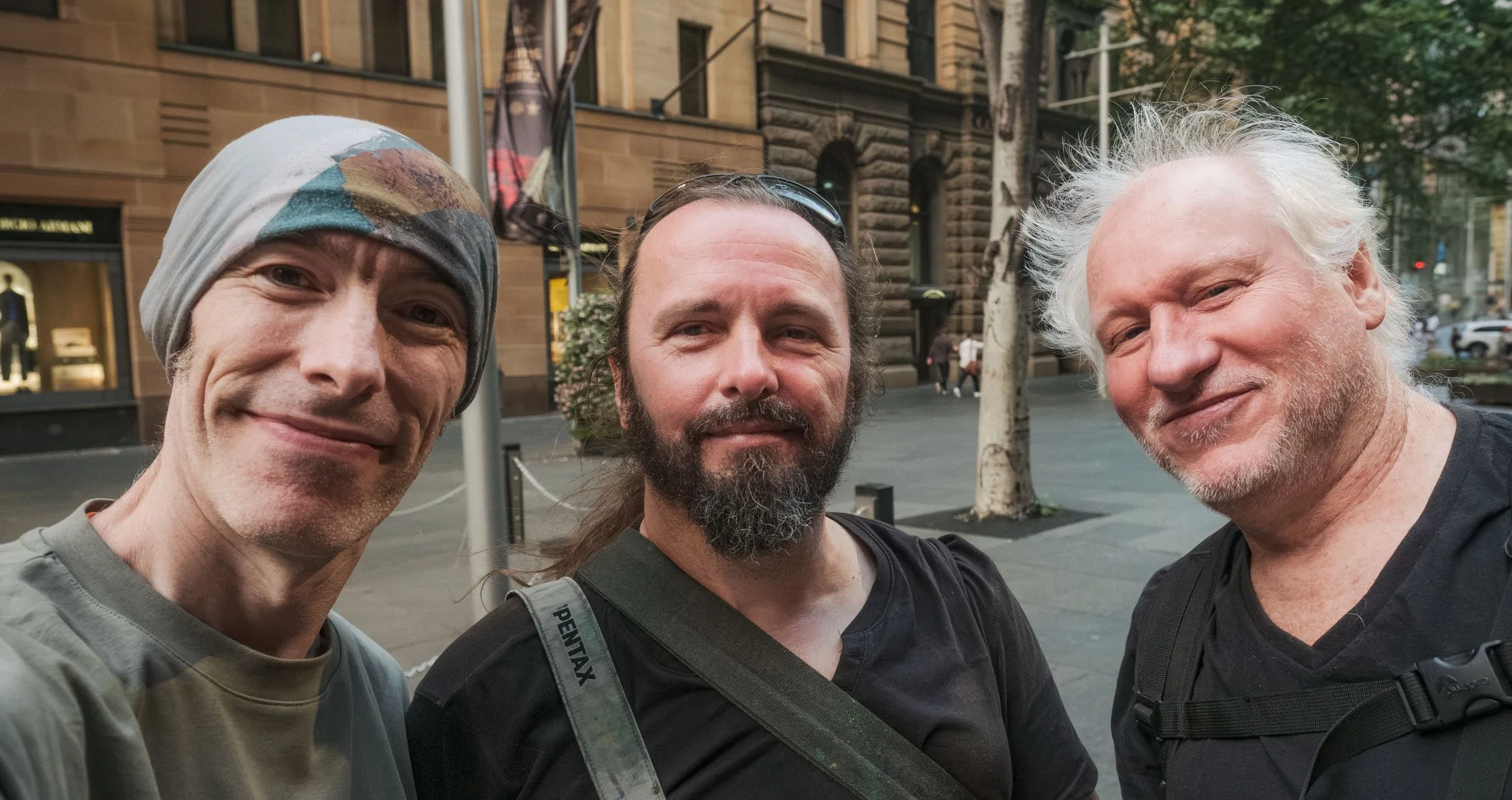
As the night neared end, I reflected on the day, I had such an enjoyable time. David informed he had found two protests to attend the following weekend and asked if I would like to join him. Of course I said yes! But on one condition, I would like my focus to capture him working the protest more so than documenting the proceedings, he was down for it.
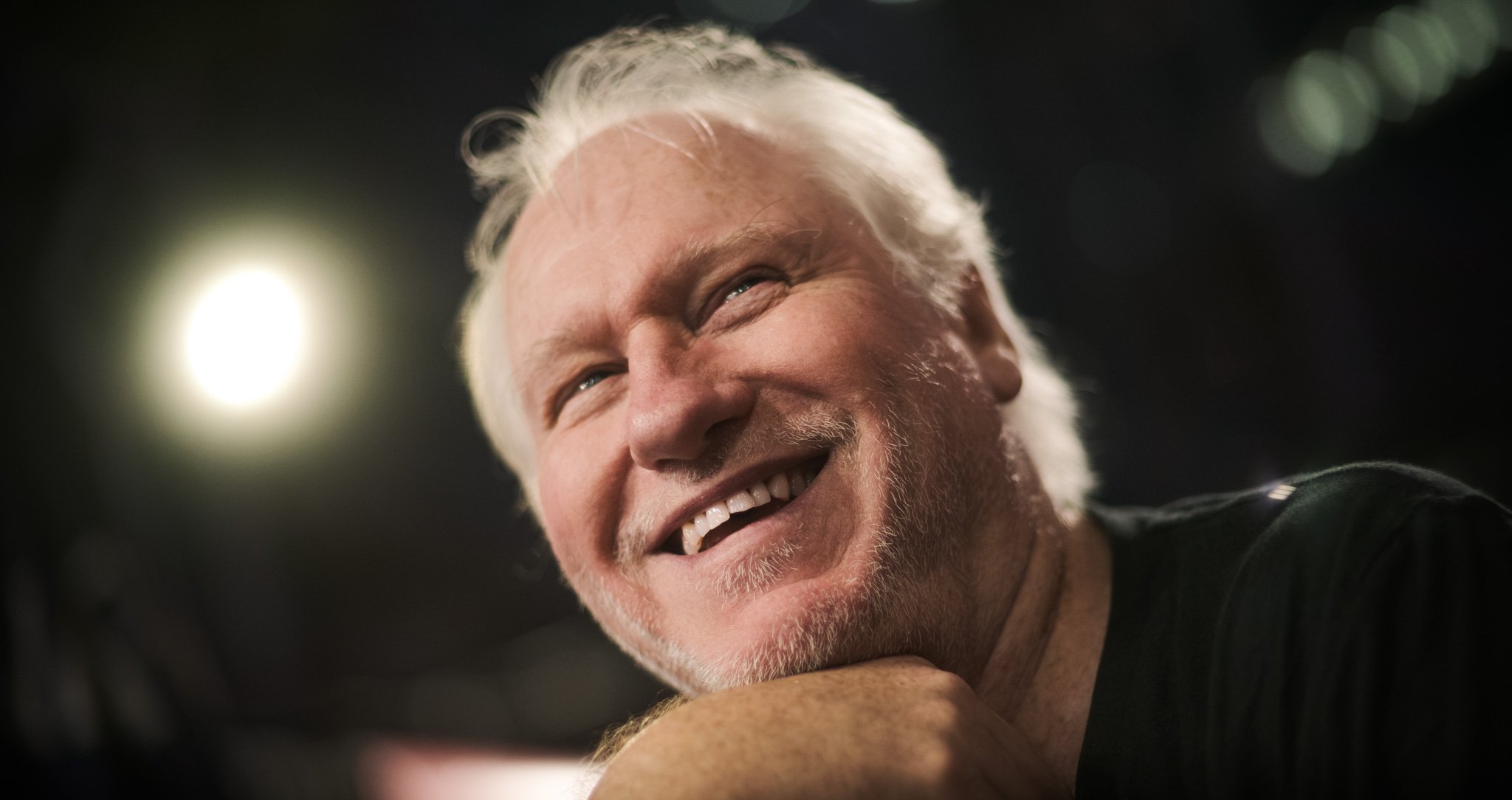
I’d like to extend a big thank you to Rob who joined us. Rob allowed me to be rude and go off gallivanting with my camera whilst he entertained our guest from overseas. Thanks Rob!
The Second Meet
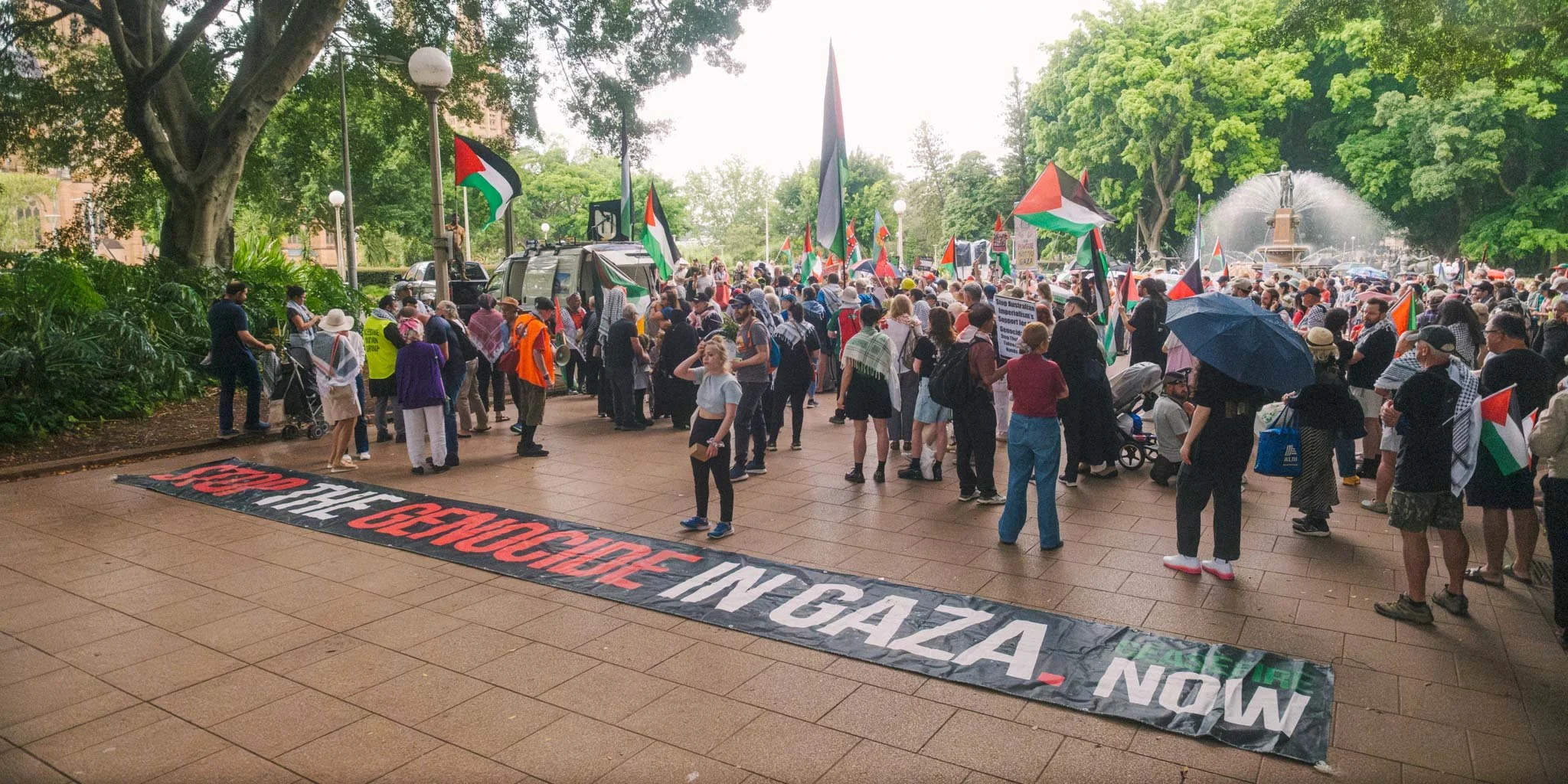
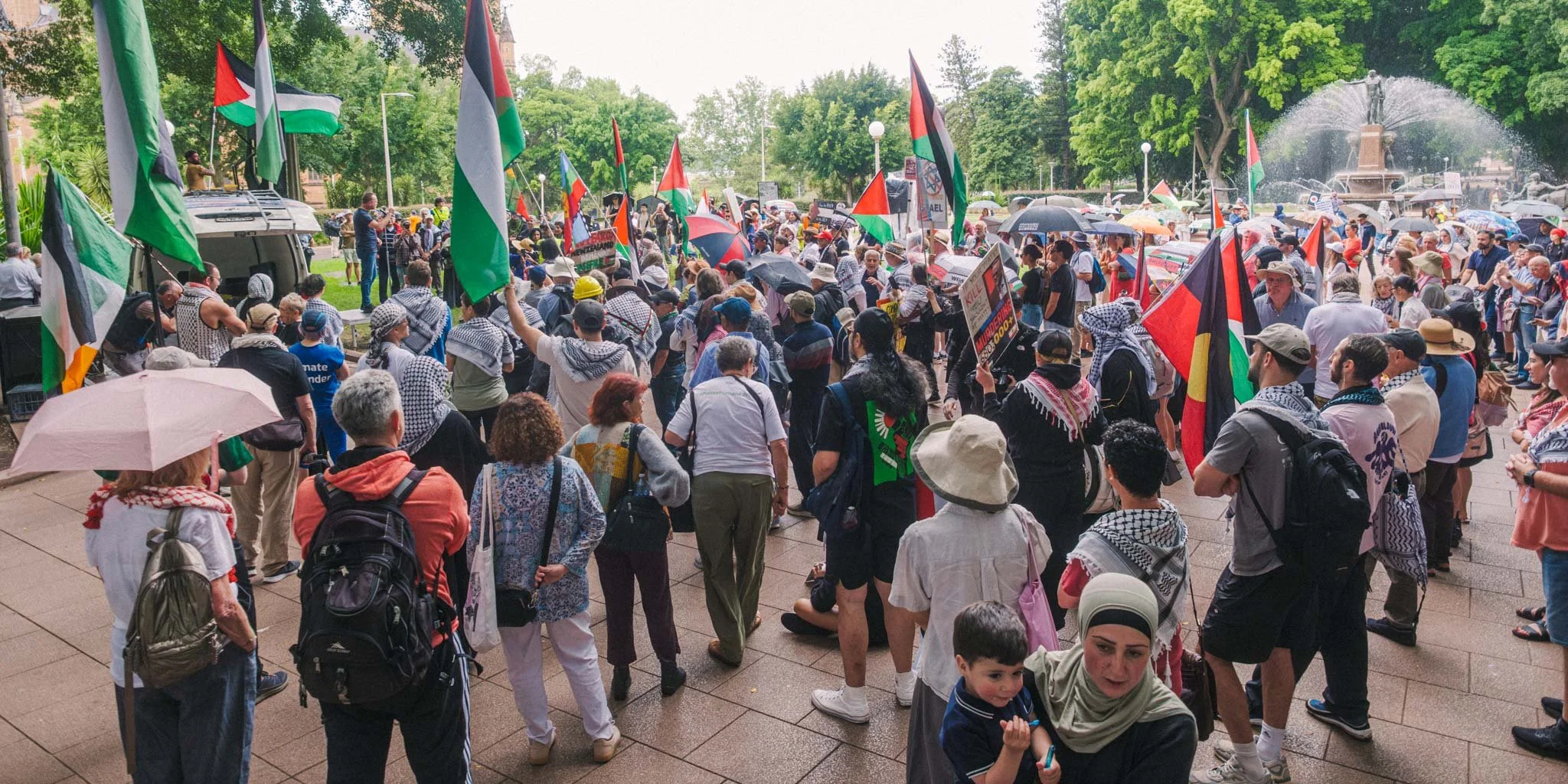
With the previous weekend’s pleasantries out of the way we could get right down to business. The protest he (we) were covering was one of the weekly ‘Stop the genocide in Gaza’ protests here in Sydney. The protest starts at Hyde Park followed with a 30min walk through main town.
I quickly noticed how fast David was in obtaining his shots. I had all the AF tools a modern mirrorless camera has to offer, but at times I was still framing up to get the shot of him but all of a sudden he was done and I had missed my opportunity! I had to work really fast!
Focusing was done with his feet, I observed how he might take a step forward or back for his shots, but the freedom to not mess with focusing, just moving in and out, it meant speed and efficiency was his. I don’t think I have ever uttered the words ‘speed’ and ‘efficiency’ with Pentax, but I guess if not relying on autofocus then the main hurdle (for Pentax) is out of the way :D
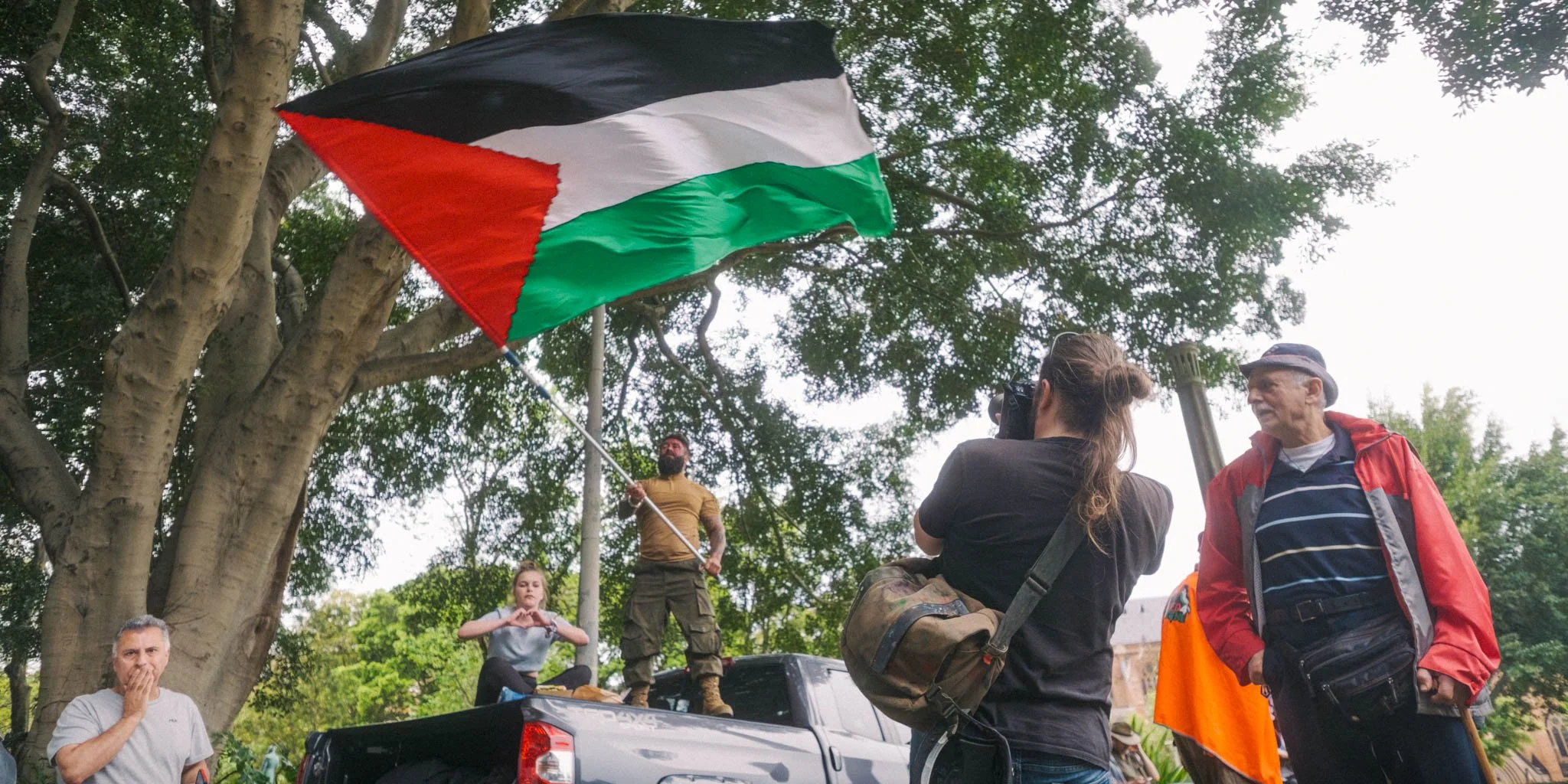
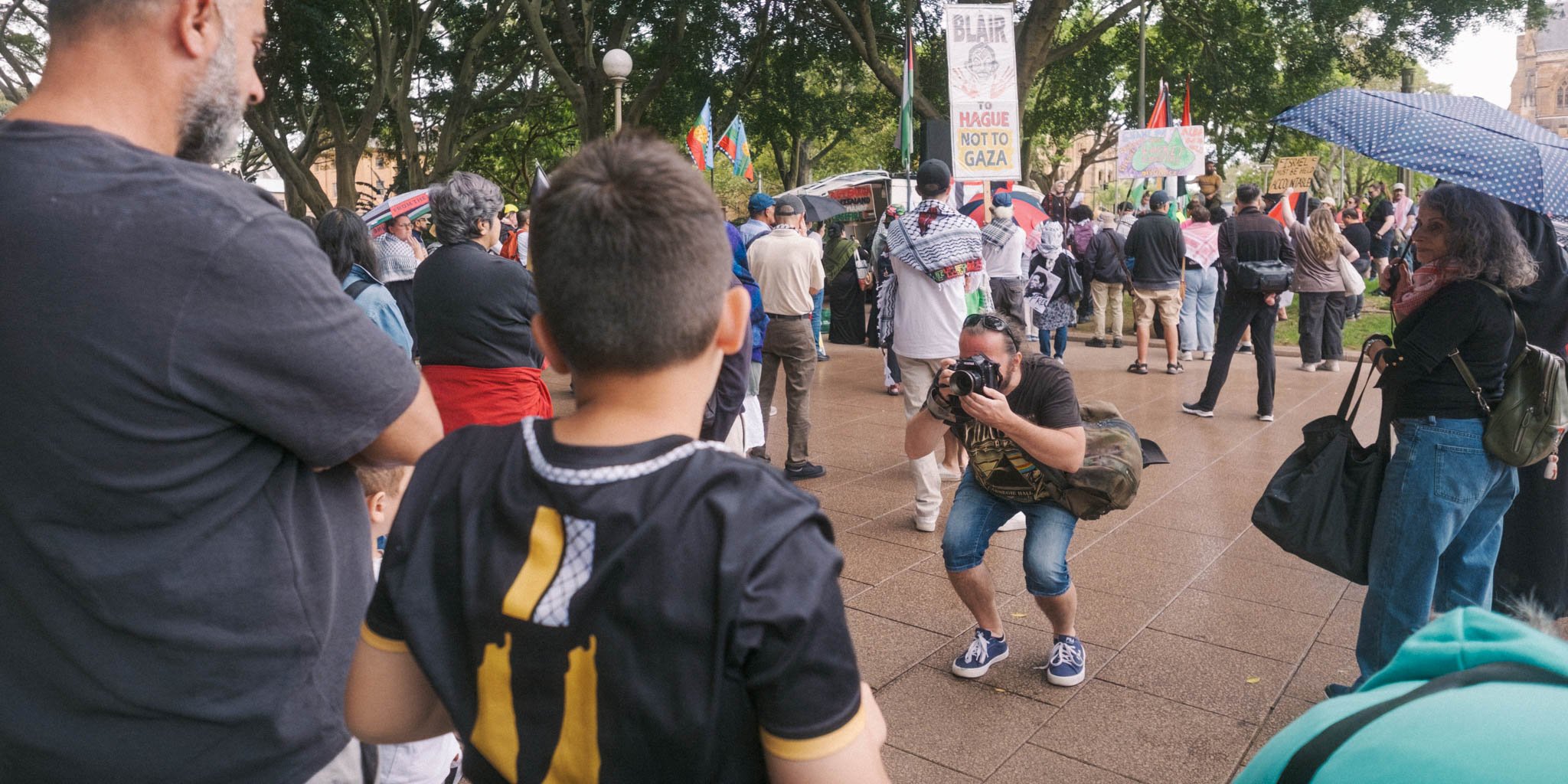
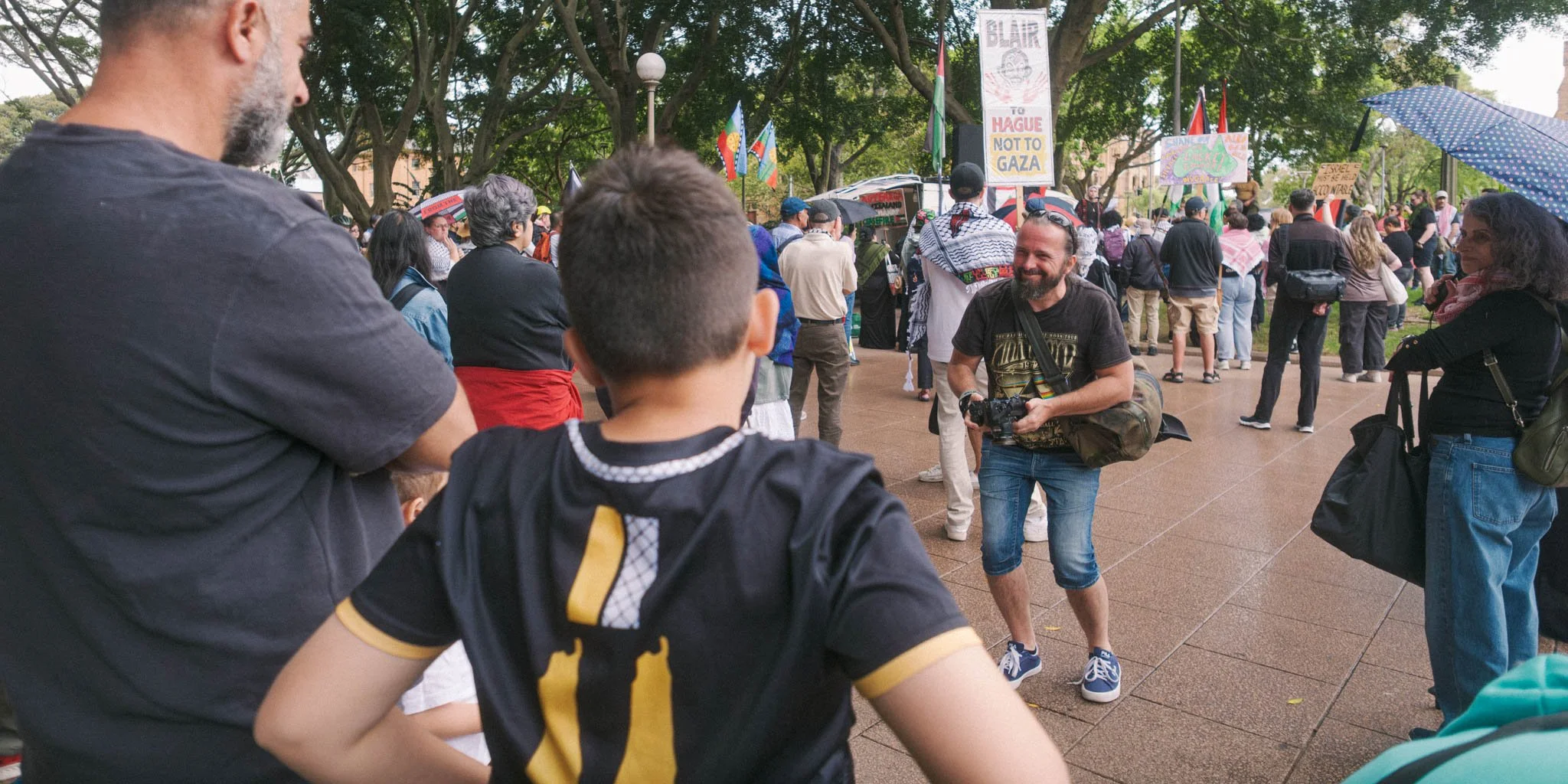
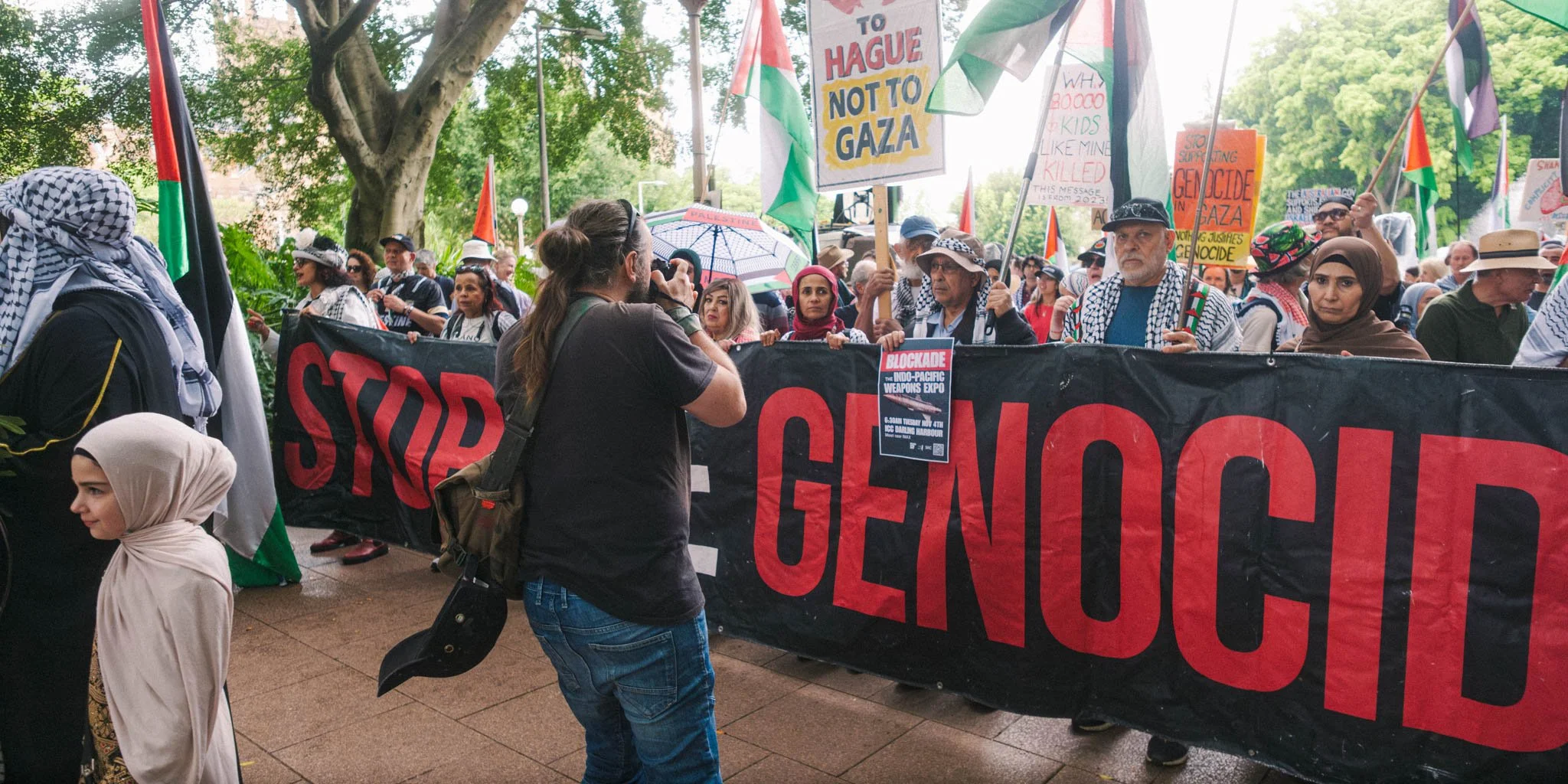

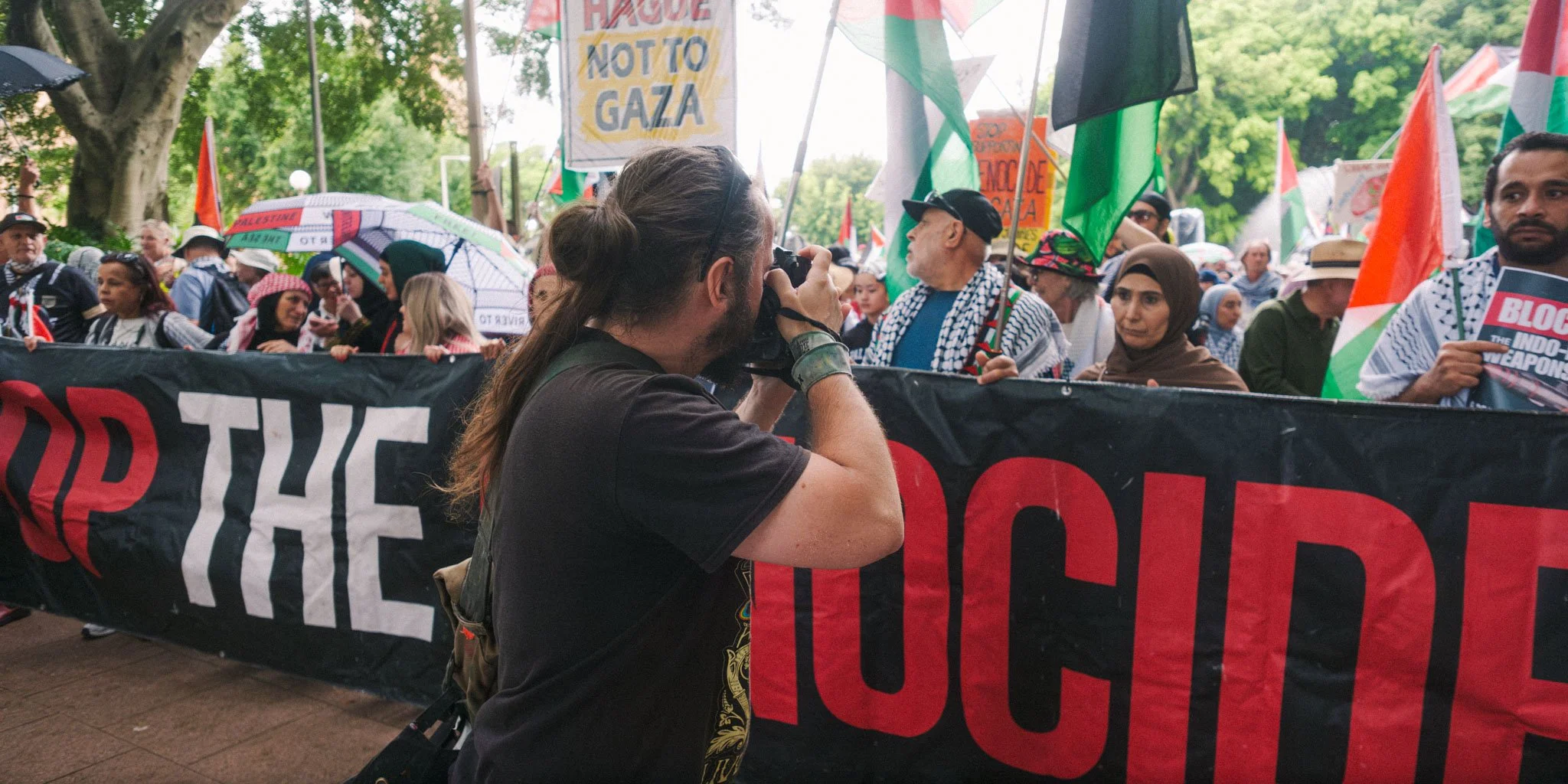
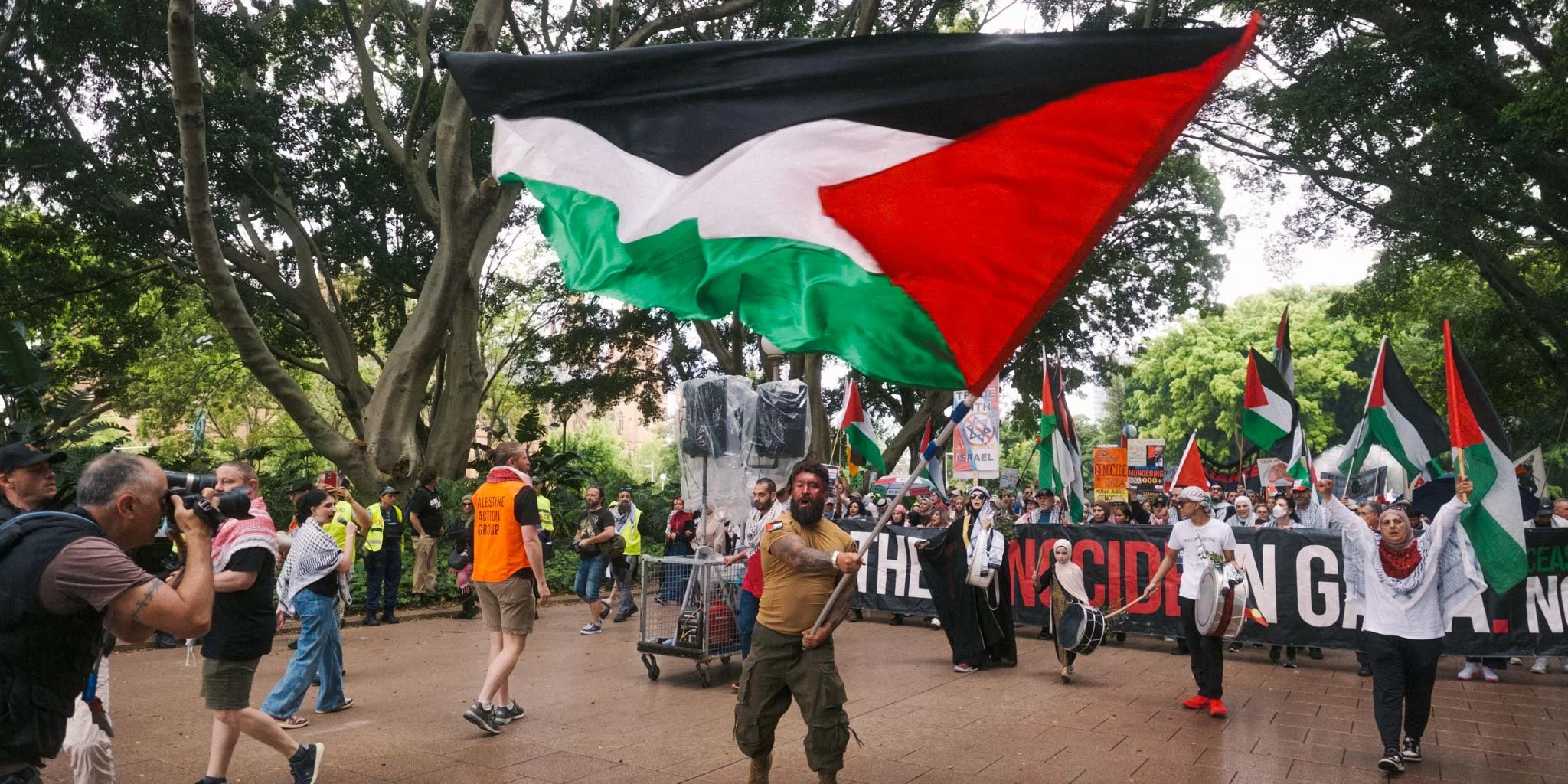
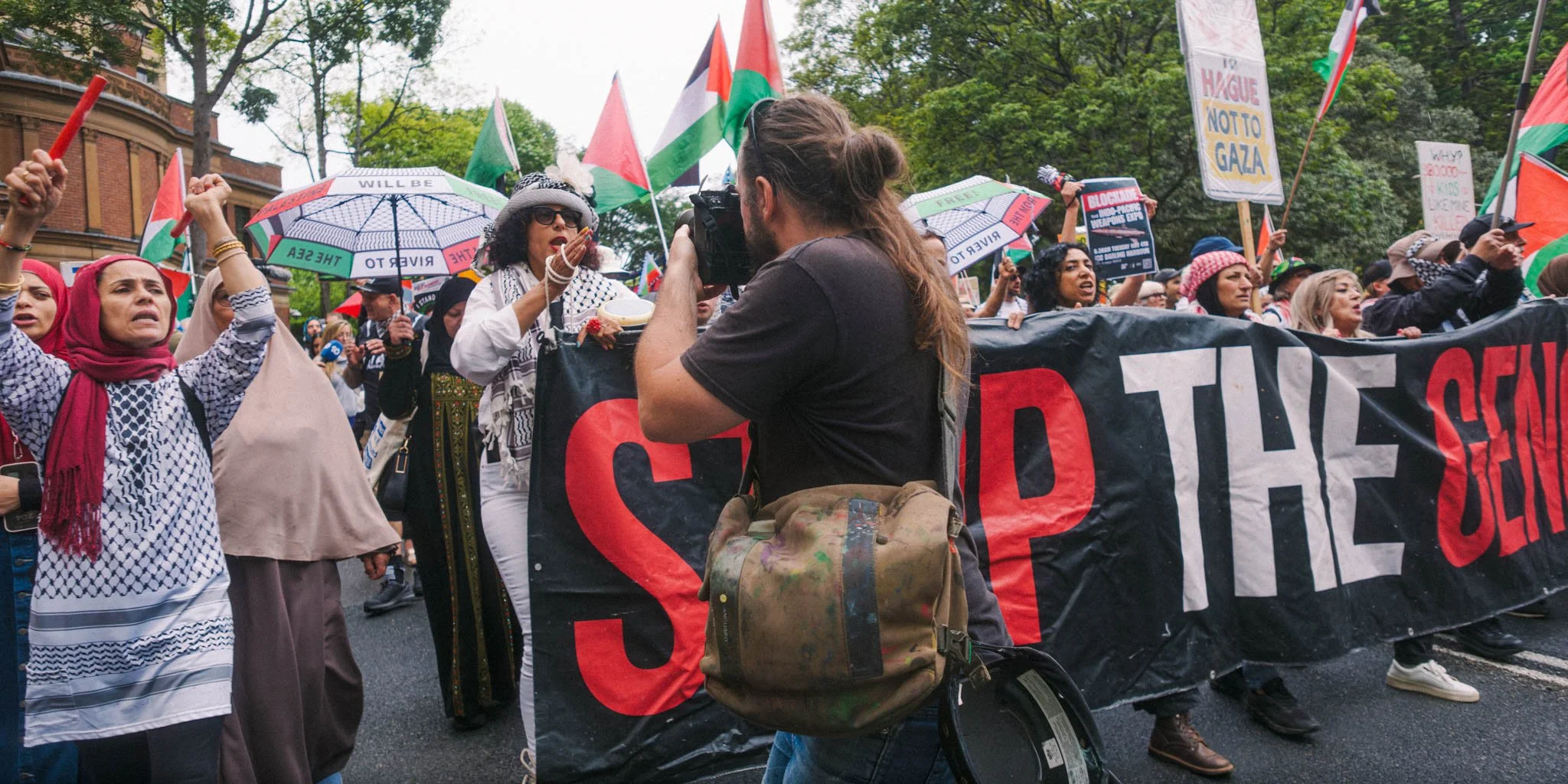
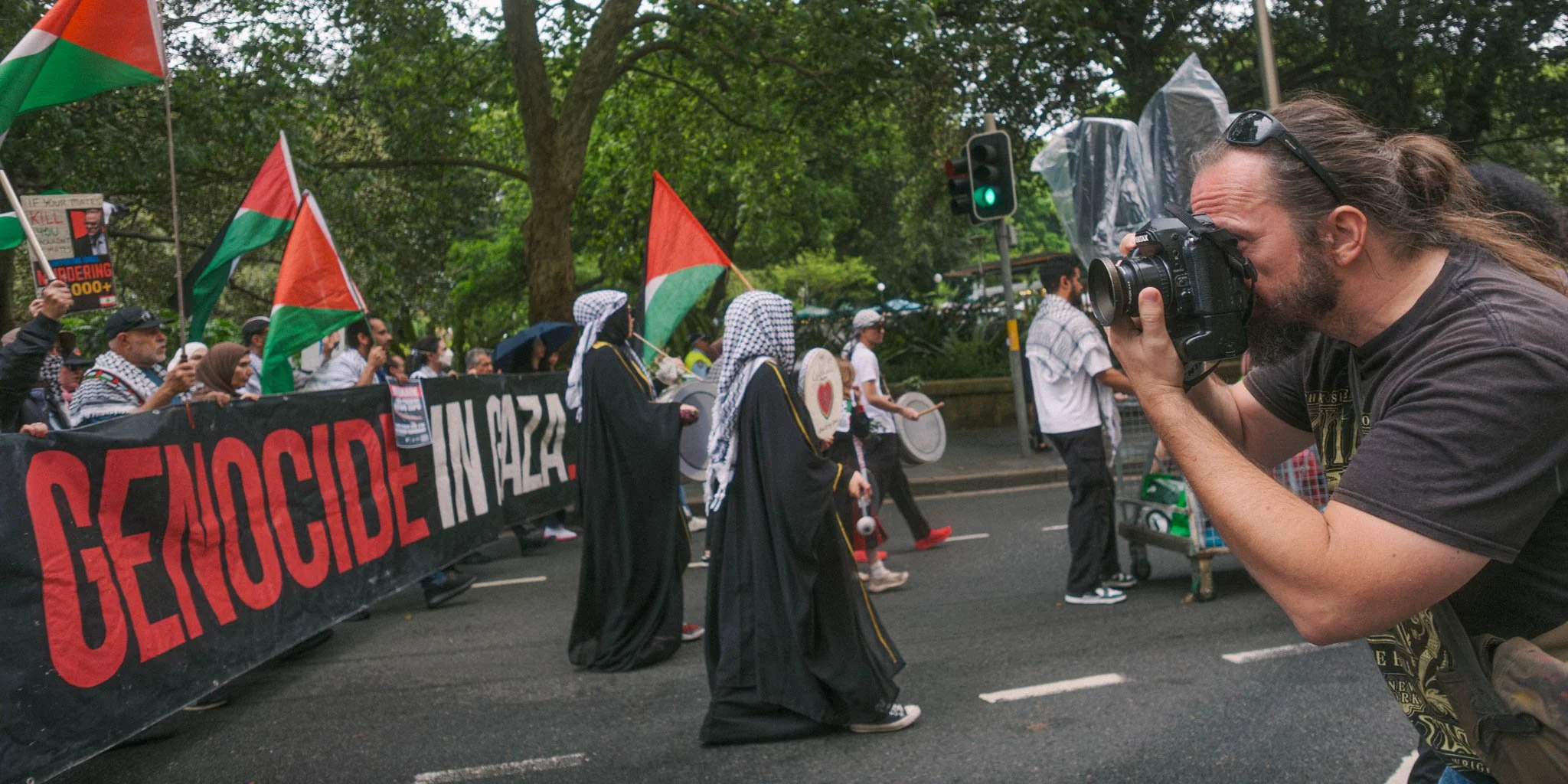
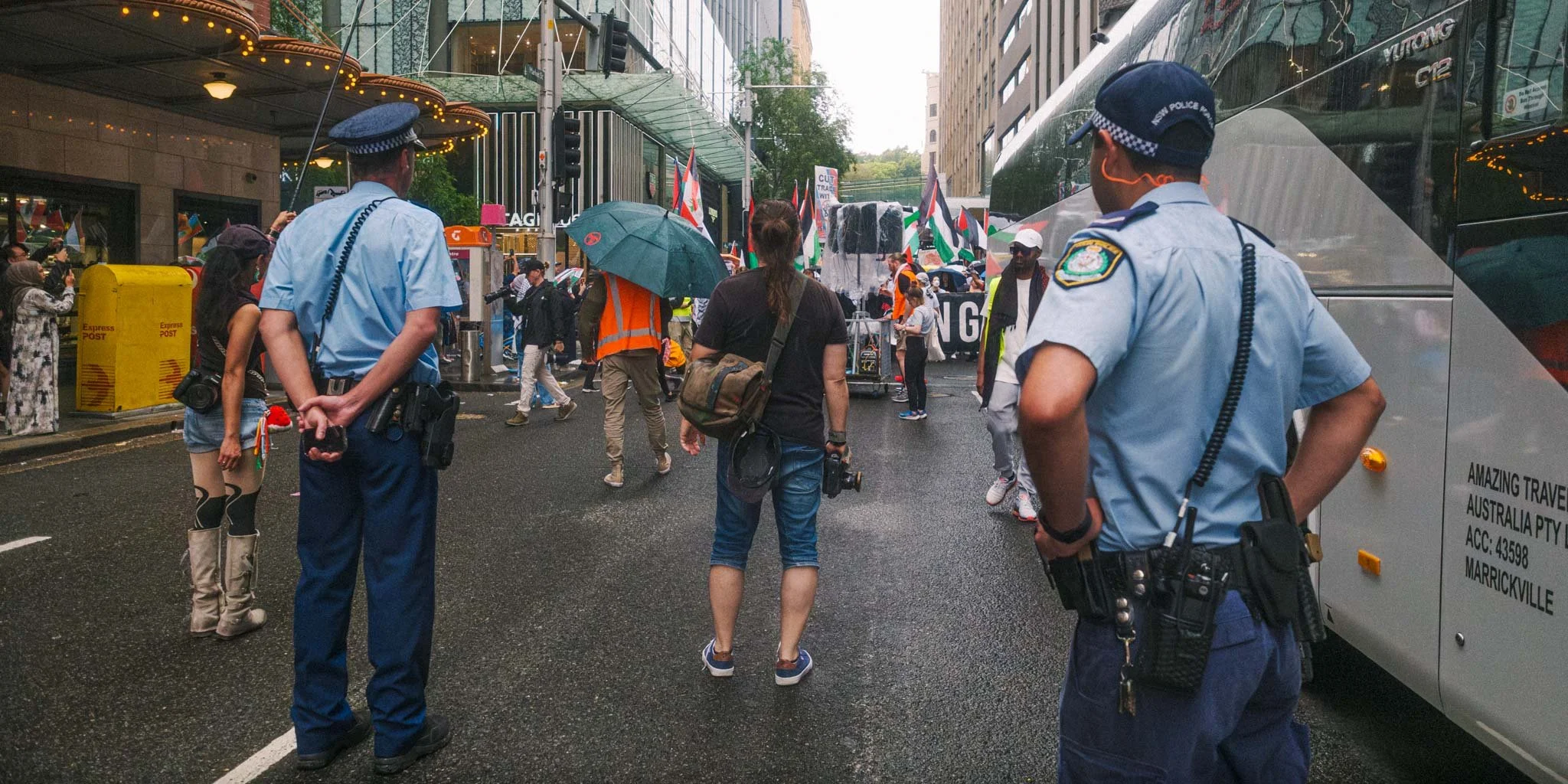
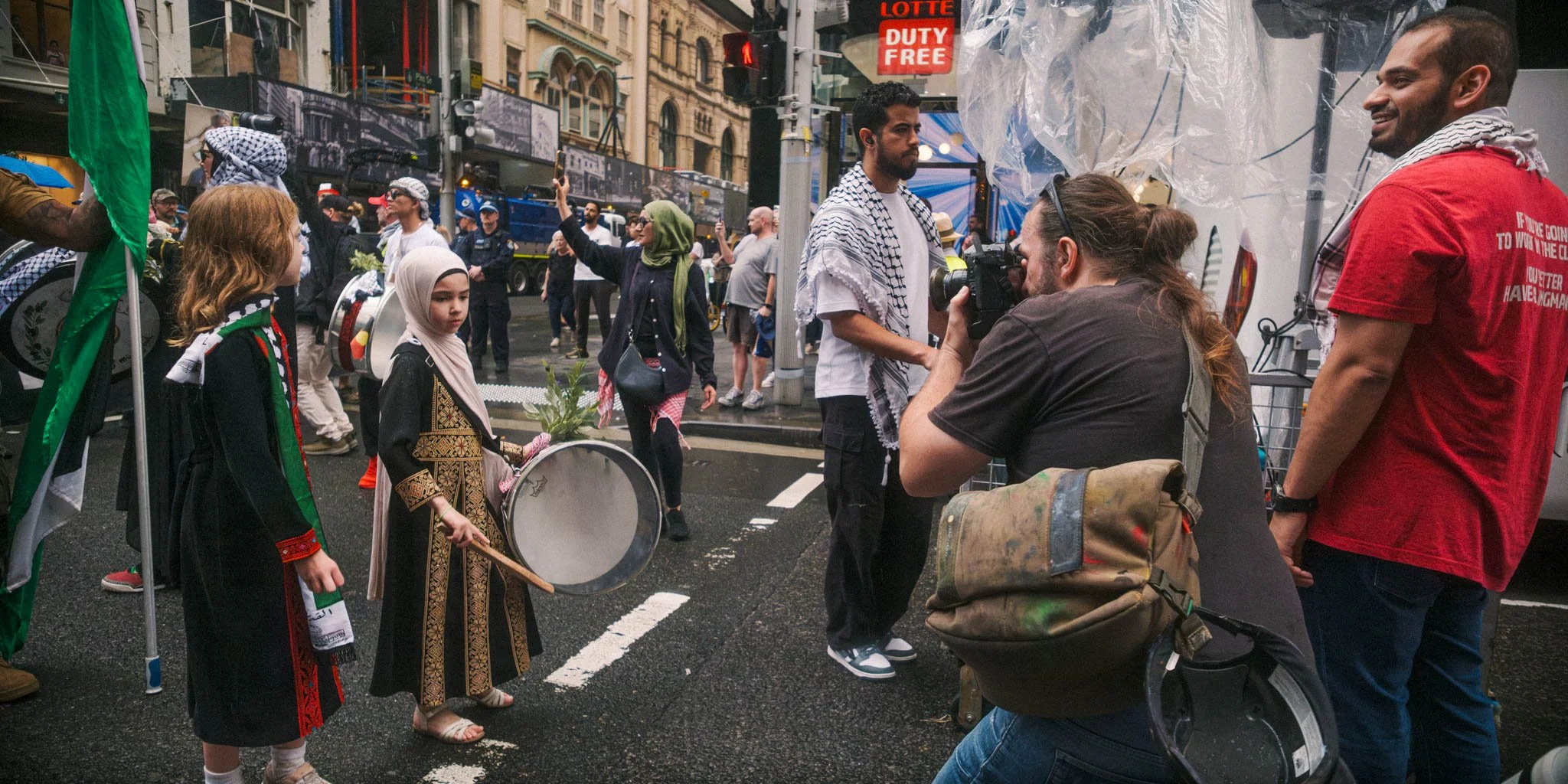
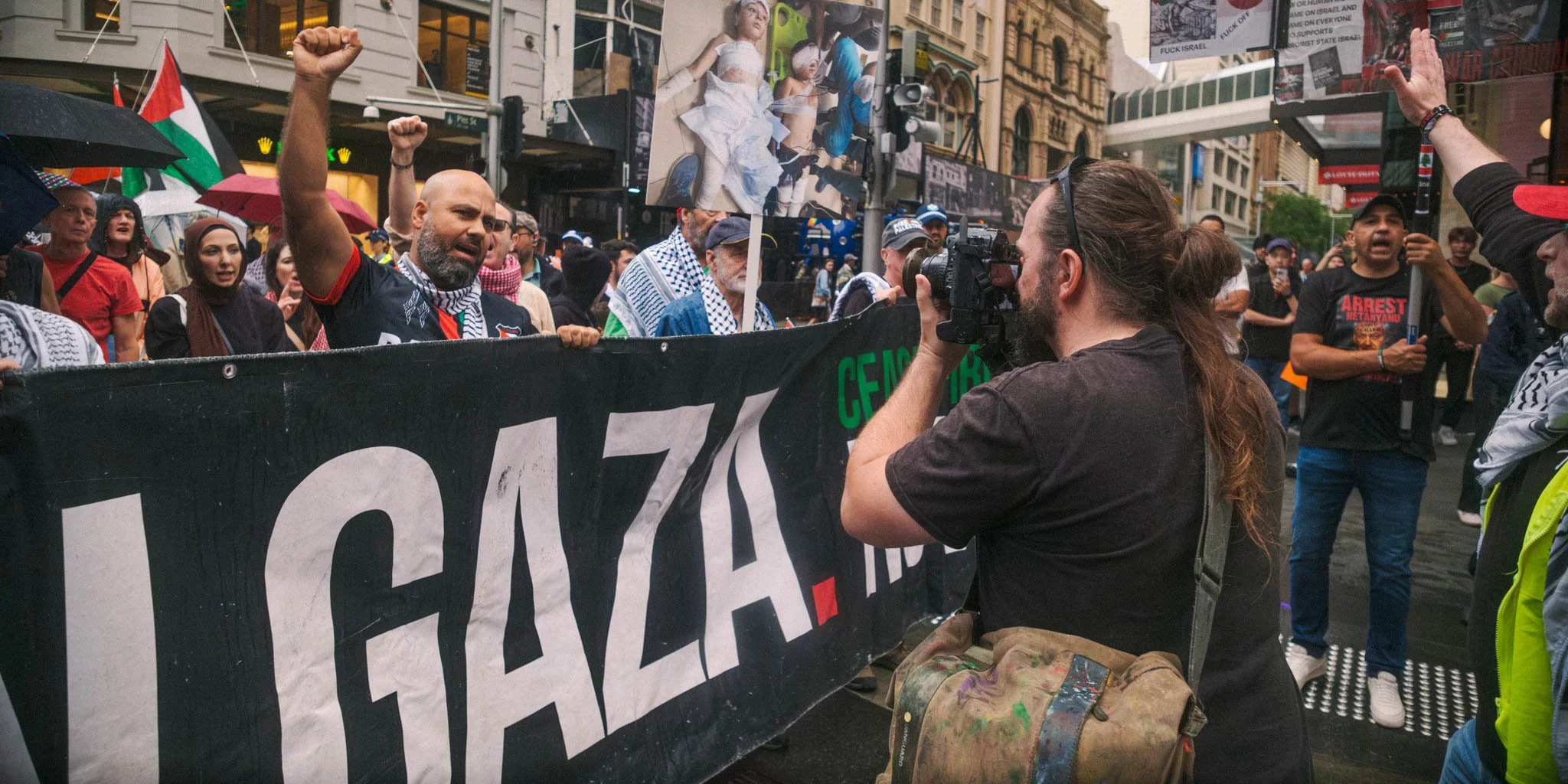
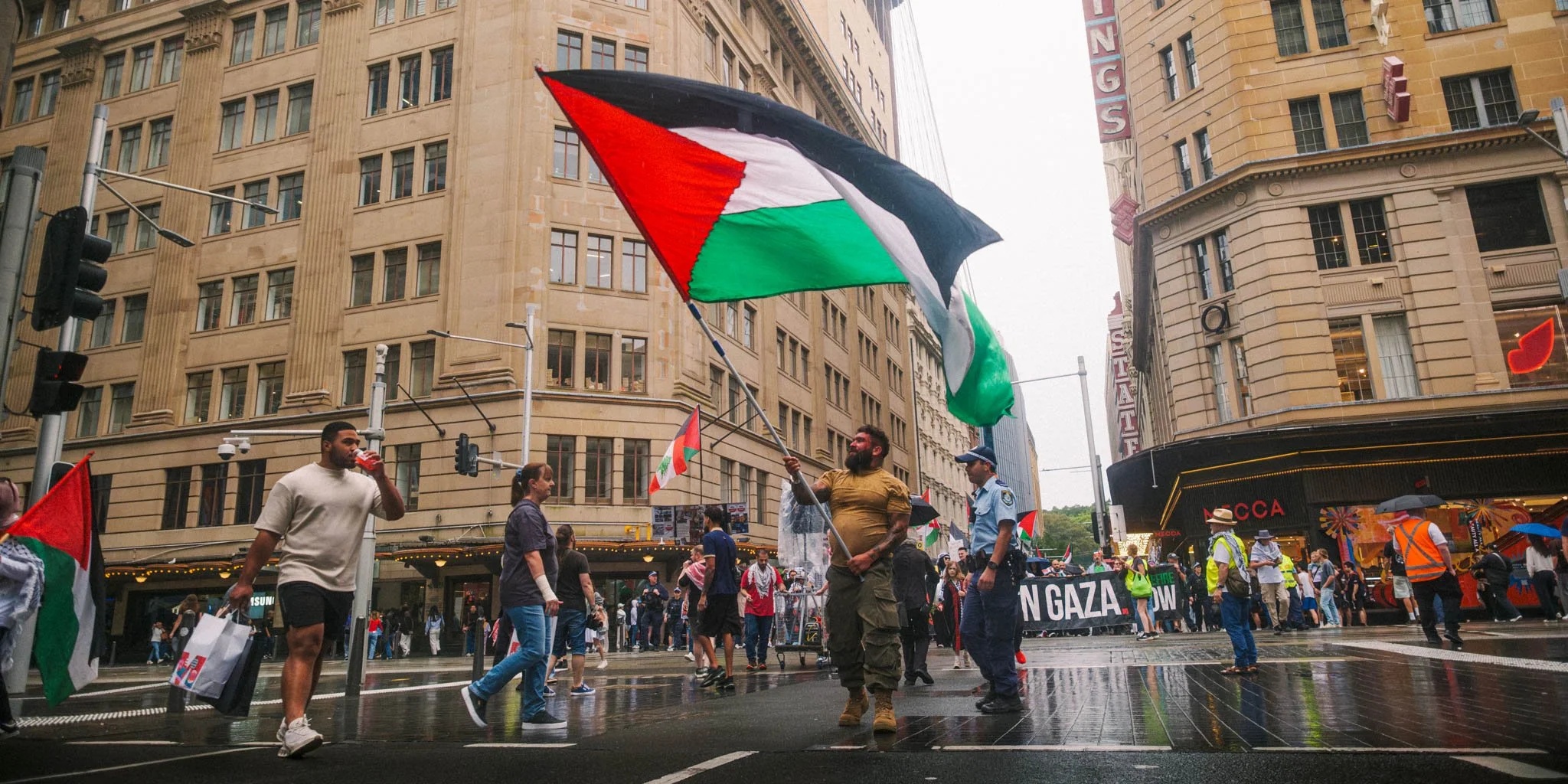
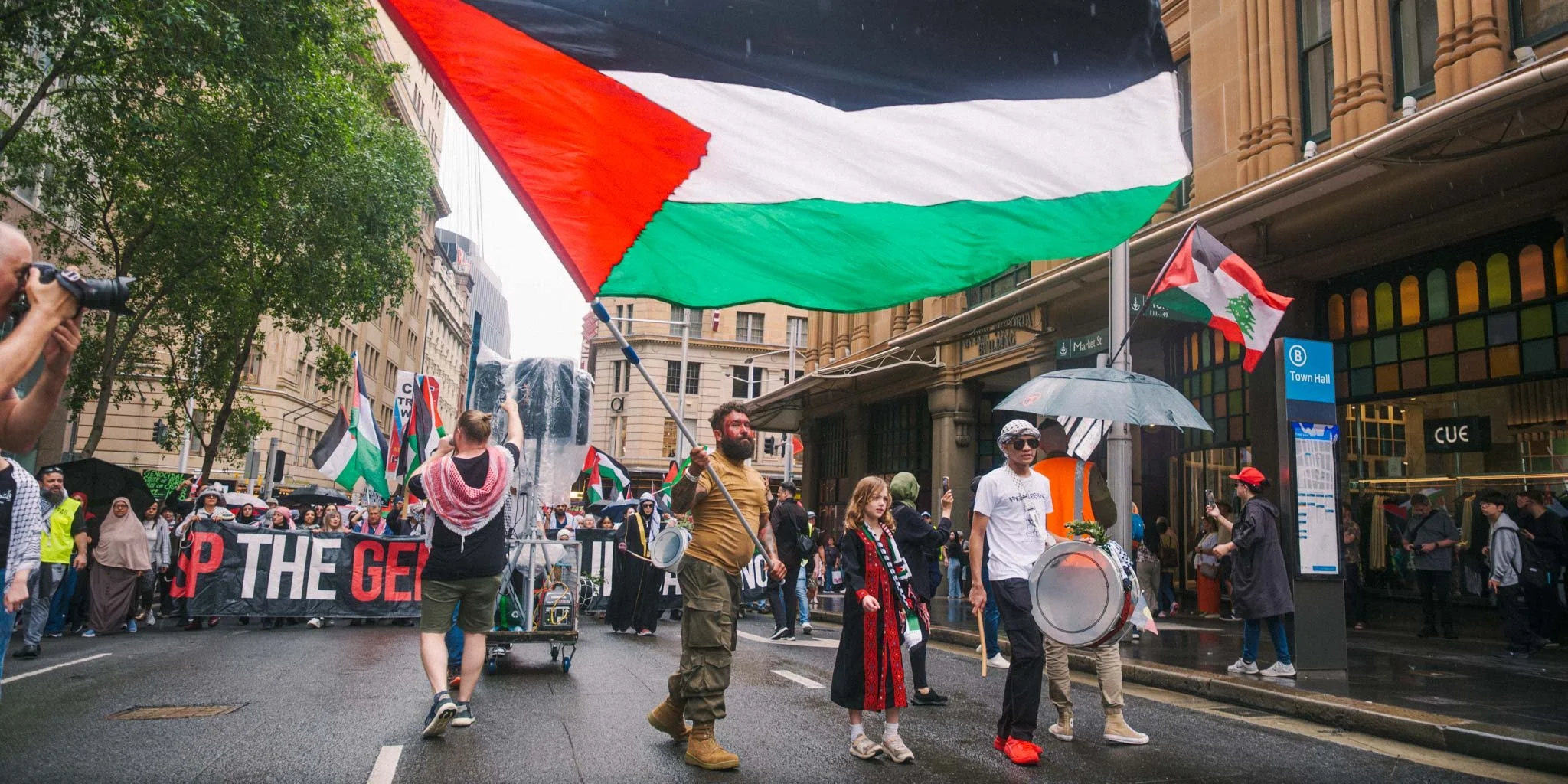
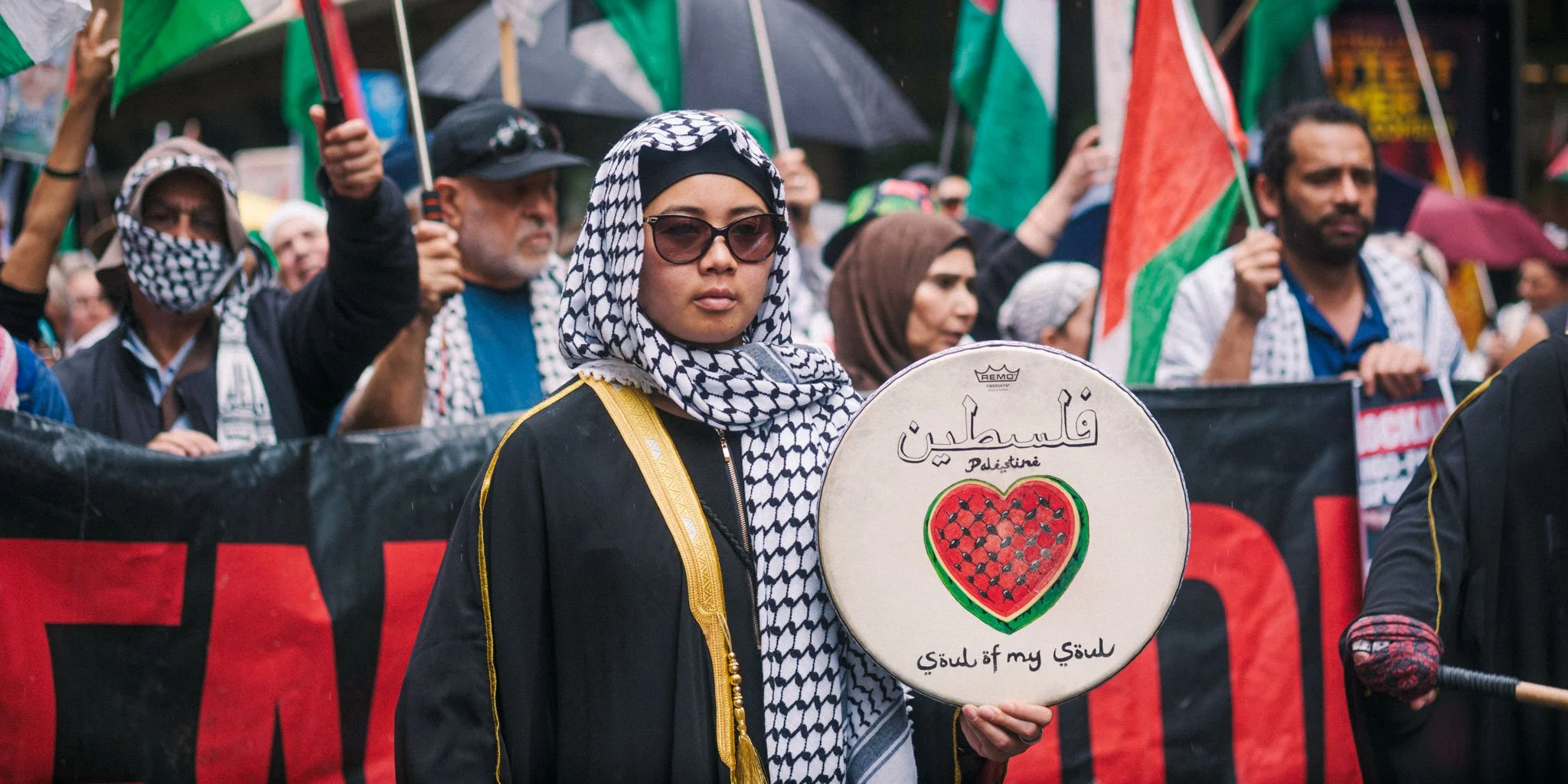
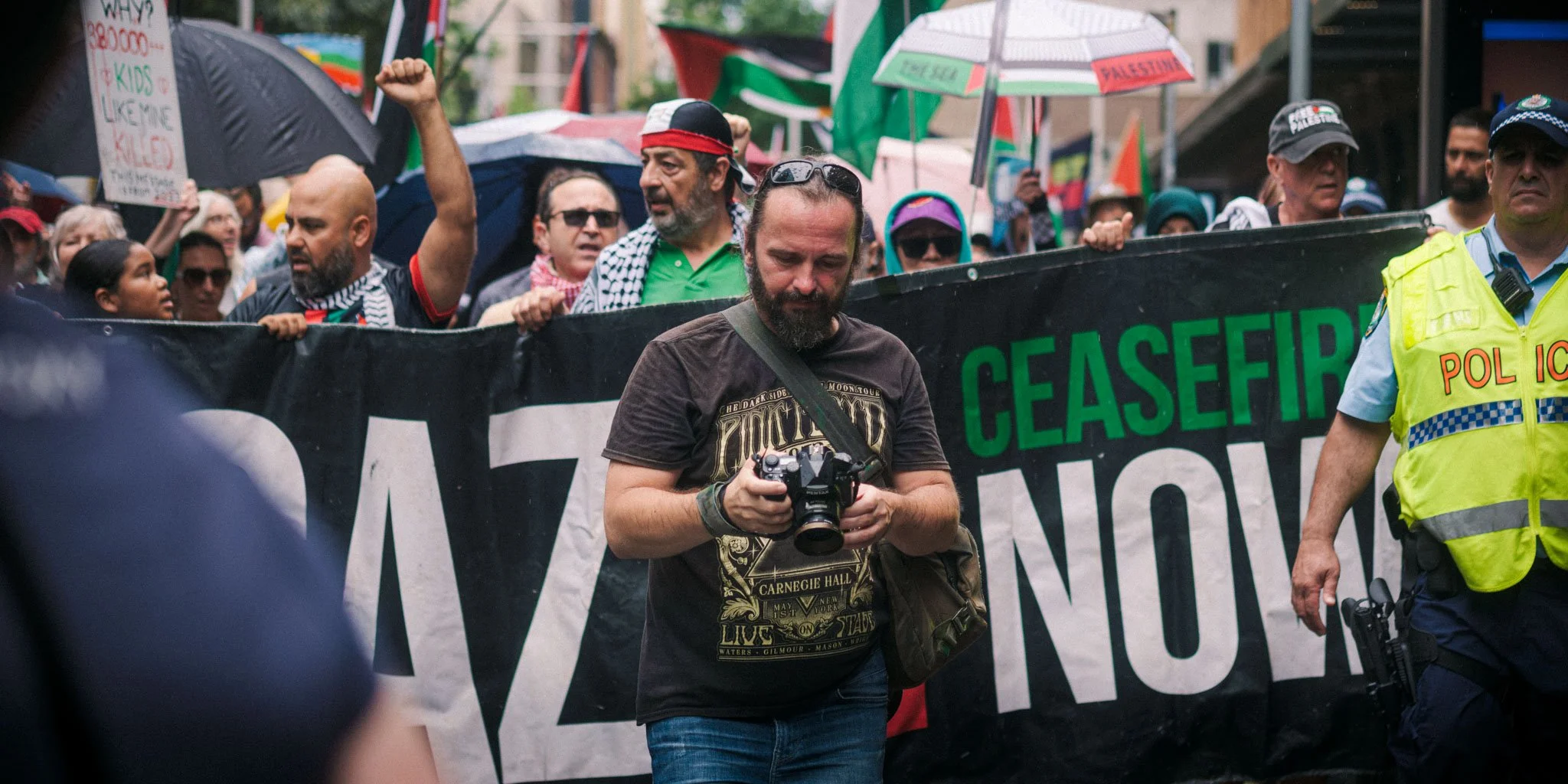
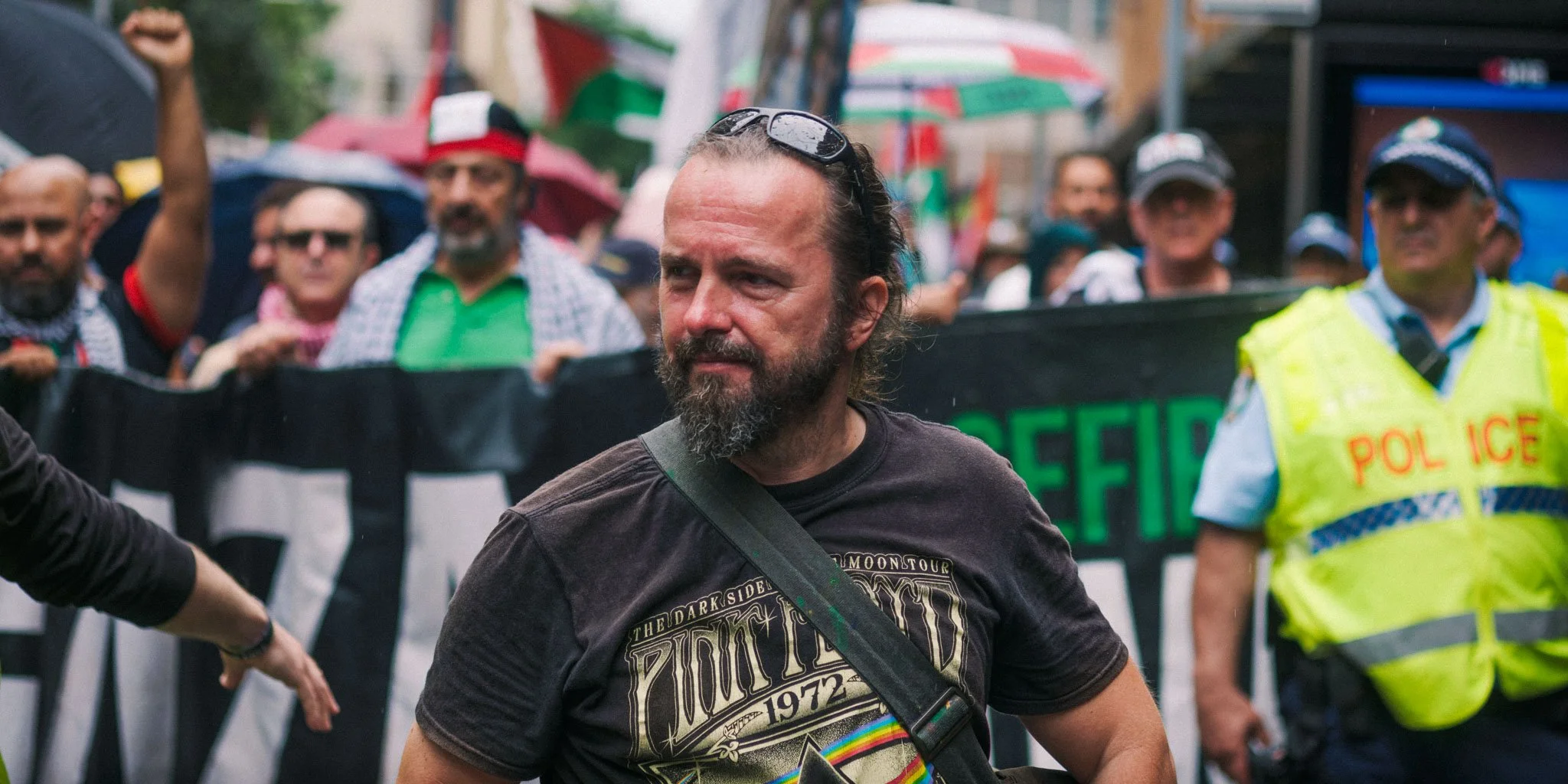
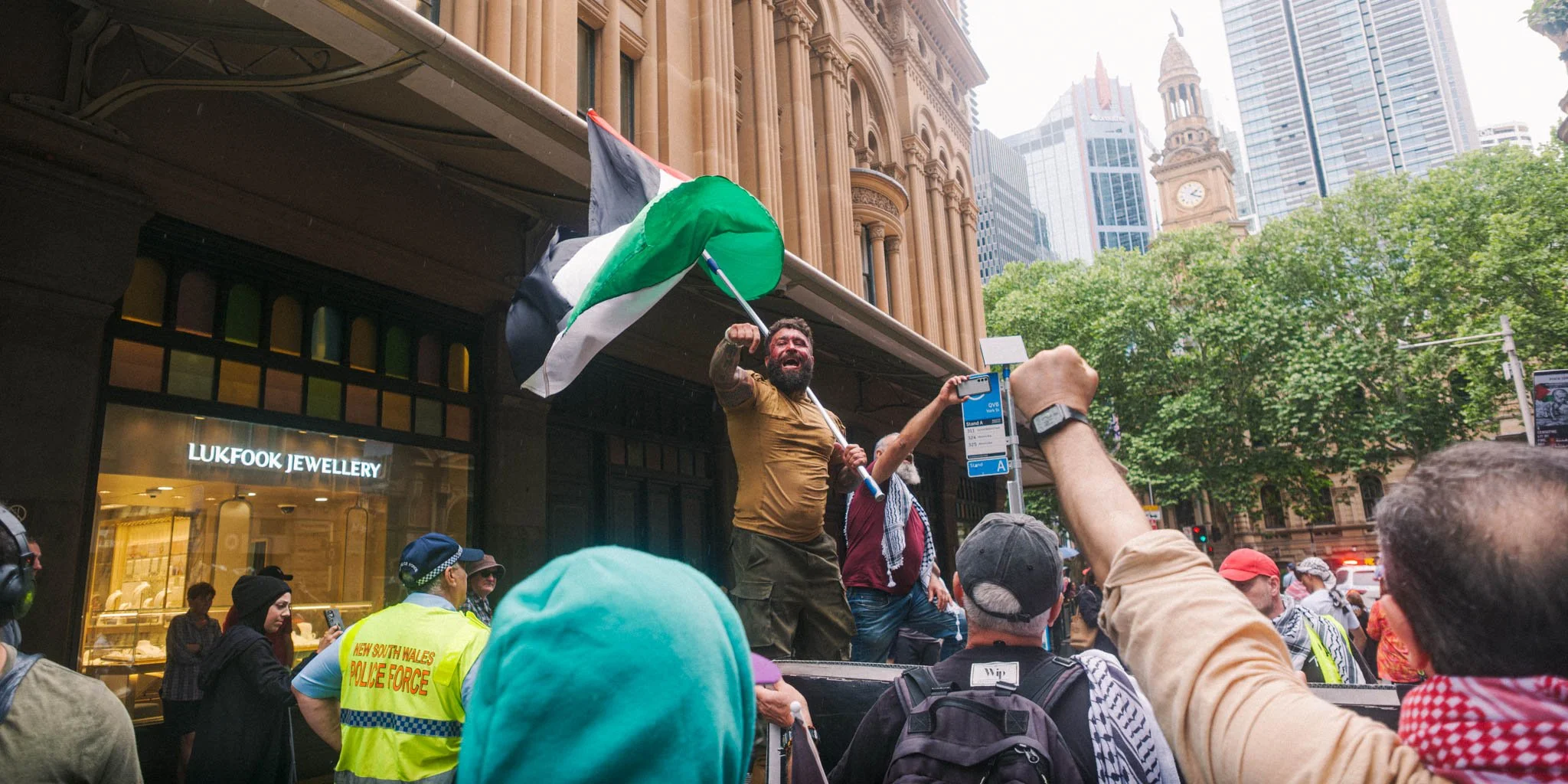
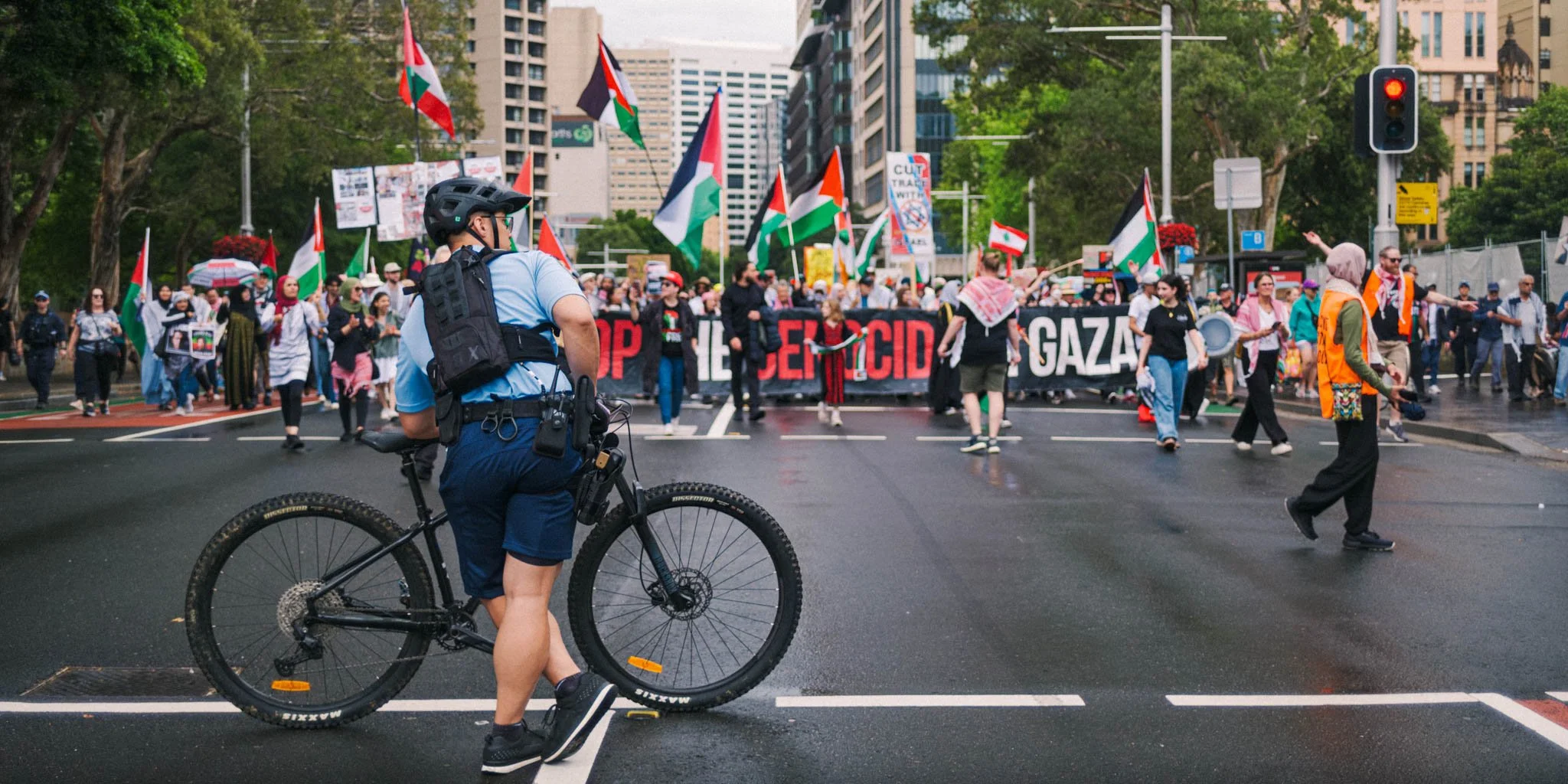
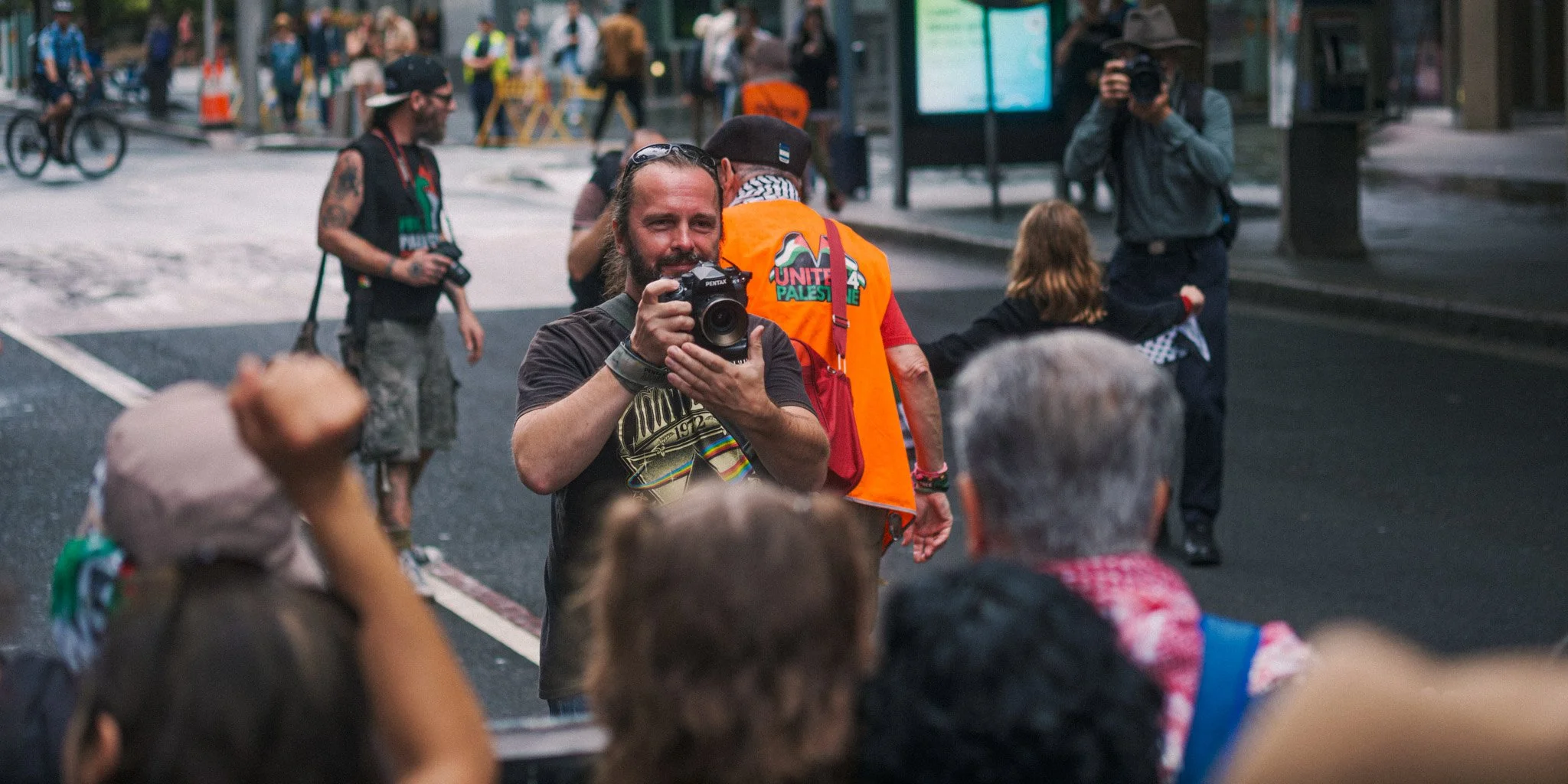
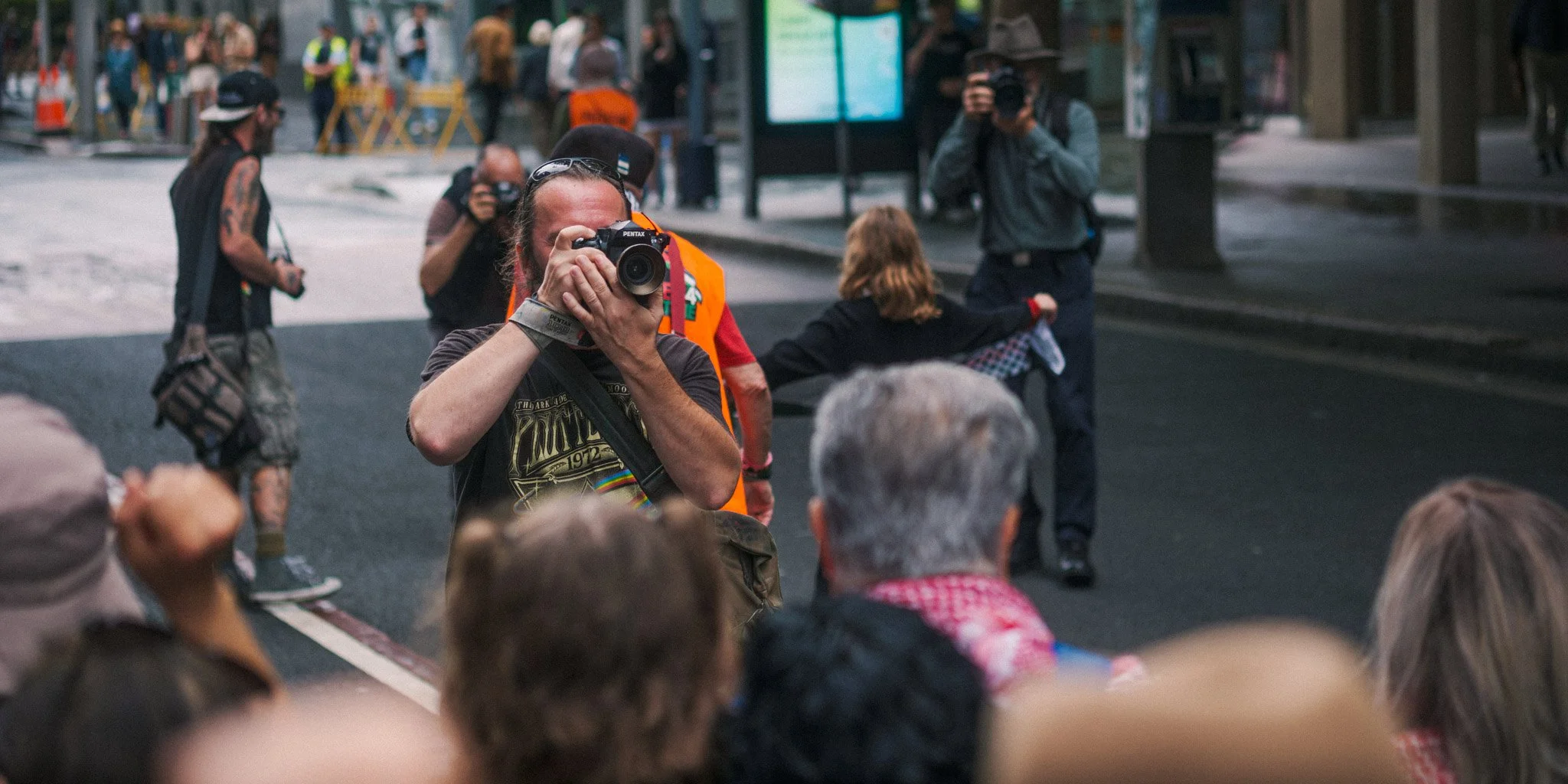
These last two images illustrate David’s pacing. Whilst other photographers are still sorting themselves out for the shot of the girl behind, David was already onto the next shot (David’s photo of the girl is actually shown at the beginning of this blog within his introductory images, see if you can spot it).
It was a great experience to observe David working. I particularly found joy in his technical approach and that using old school methods was seemingly the preferred choice here, free from being concerned with autofocus and distracted from what the camera was up to. Don’t get me wrong, I do event work for a living and love my autofocus tools, but I work in very different conditions do David, I’m usually always indoors, dim light venues, working from a distance. I need faster apertures and need focus to land where I want. This requires additional concentration, being mindful of what the camera considers the preferred subject, or guiding it to the correct eye to being in focus. These things require button mapping to hand quick control back to the user should the system not behave as you’d like, and this can be distracting at times. There’s an envy to the simplicity of David’s approach. Once again light becomes the dominant factor in photography.
Maybe I am over analyzing here, but when looking at David’s ‘pure manual focus images’, there’s an observation I found interesting. With autofocus work, its seldom that the photo has no focus, it’s just the AF system put the focus in the wrong place! The background in focus, subject in foreground clearly out of focus. But with David’s work there would be some images where critical focus was not quite fully achieved, but in getting close to being in focus, it gives a somewhat ‘filmic organic’ vibe (which I definitely prefer). When these (softer) images sit along side the critically accurate shots, the entire story feels more real. It conveys a feeling that I am right there and experiencing some of that chaos of the protest and unable to completely focus on everything happening around. The images echo what our own eyes do in real life (after all we don’t critically focus on everything we look at all the time).
Being free from contractual agreements I think is quite a crucial component of David’s work. Briefs come with certain objectives and some of those will require us to pack an assortment of lenses able to meet those briefs. In doing so we get paid! But we lose a certain consistency and style, one minute a super wide angle, the next a telephoto shot. With David’s work we don’t get that inconsistency, instead we’re met with a boldness that becomes easily identifiable. I think this is how artists can be, stubborn and headstrong with identifiable art.
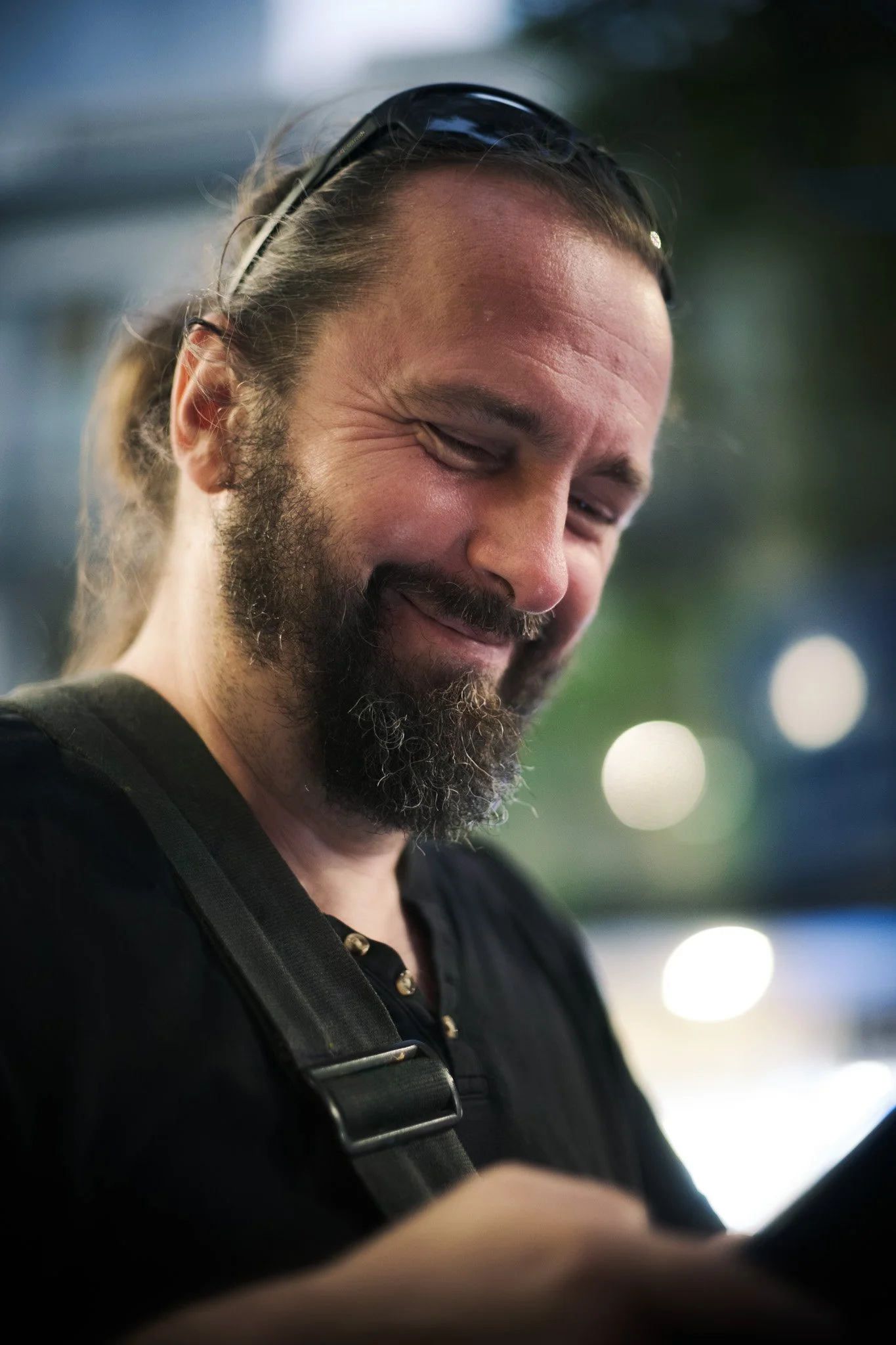
Thank you David for your time, patience and friendship. I hope Sydney treated you well.
Till next time,
Eddy