

The Fujinon XF50-140mm F2.8 R LM OIS WR is all you need.
New Year tends to make me reflect on my current kit, evaluate it’s effectiveness, decide what (if any) lenses I curated this year deserve a space in the bag for 2026.
This time I wanted to compare my XF50-140/2.8 against an array of lenses I acquired, not because I feel this lens is on shaky ground, quite the contrary. I had a hunch that once the 50-140 was set to an ‘optimum portrait setting’, (for me that would be 140mm at f2.8, to maximise compression and shallow DoF, pushing subject isolation) then the rest of my lenses might struggle to keep up.
Let’s take a look into the results, but first we need a baseline, a king lens, something goated.
The Fujinon XF200mmF2 R LM OIS WR
I’ve owned a fair amount of portrait glass for the X Mount system, from the XF56mmF1.2 R WR to the XF90mmF2 R LM WR. I’ve tried the best, but in my opinion nothing comes close to what you can get with the The Fujinon XF200mmF2 R LM OIS WR. Whilst I respect that the 200mm is not a practical length to shoot on X Mount for a lot of portraiture work, nor is it affordable, in my line of work it has become somewhat instrumental. In fact using this lens taught me a lot about things I had been missing in my photography journey (but I’ll save that talk for another day).
It’s hard for me to do any kind of portraiture comparison without first having something to aspire to. This blog won’t be about this lens, not really. It will be about the XF50-140mm F2.8 R LM OIS WR and how close it can get to ‘this look’, and we’ll be seeing how other lenses perform in this regard also.
The aim here is to see what glass is duplicating or giving inferior results to what the 50-140 can muster, thus giving me some kind of idea what is going to end up on eBay.
The parameters I chose to use for this fairly unscientific test were to see how each lens performs giving a similar framing to the subject matter shown here. This half body shot is something I frequently shoot for clients. There is often enough resolution for them to crop for a tighter headshot (though I often move in closer for those shots as well). It’s a fairly basic test, not a huge variety of shots or different light and really it was intended just for me, but I thought the results were interesting and worth sharing, so here they are.
The following lenses will be tested against each other, and in particularly against the 50-140. Why is the 50-140 so important here? Because in my line of work a zoom is critical. I often work with unpredictable subjects or am unable to move past obstacles to reach the subjects. I also cannot afford the time to lens swap and my job isn’t always about ‘bokeh’ (in fact sometimes more visible background elements the better. But today it kinda is. When doing official formal shots, do I even bother to unmount the 50-140 and go for something else, or is it sufficient? Let’s see.
XF200mmF2 R LM OIS WR
XF50-140mmF2.8 R LM OIS WR
Samyang AF 75mm F1.8 X
XF60mmF2.4 R Macro (a rather odd choice, but I have it so thought I’d give it a compare)
MEIKE 55mm F1.4 APS-C STM
Fringer EF-FX ULTRA (FR-FX071) Focal Reducer + Canon EF 50mm f/1.2L USM Lens (effectively this becomes a 37mm F0.9, as per EXIF and in-camera settings used)
XF33mmF1.4 R LM WR
What’s missing here? Well… the XF56mmF1.2 R WR for a start. I owned this lens but never gravitated towards its price point in conjunction with it’s autofocus performance. Why Fuji never pushed harder to see the inclusion of Linear Motors for this successor lens I’ll never know… Then there is the Viltrox 75/1.2, another worthy contender. But for me this lens is on the heavy side. Both the MEIKE 55/1.4 and Samyang 75/1.8 are very light 200g thingies, if I am already tasked to ferrying around the 2.2kg XF200/2 as well as the 995g of the 50-140/2.8… I really really want to limit any more weight on my person for the days shoot. The XF50/1 is also missing for this reason.
Comparison 1
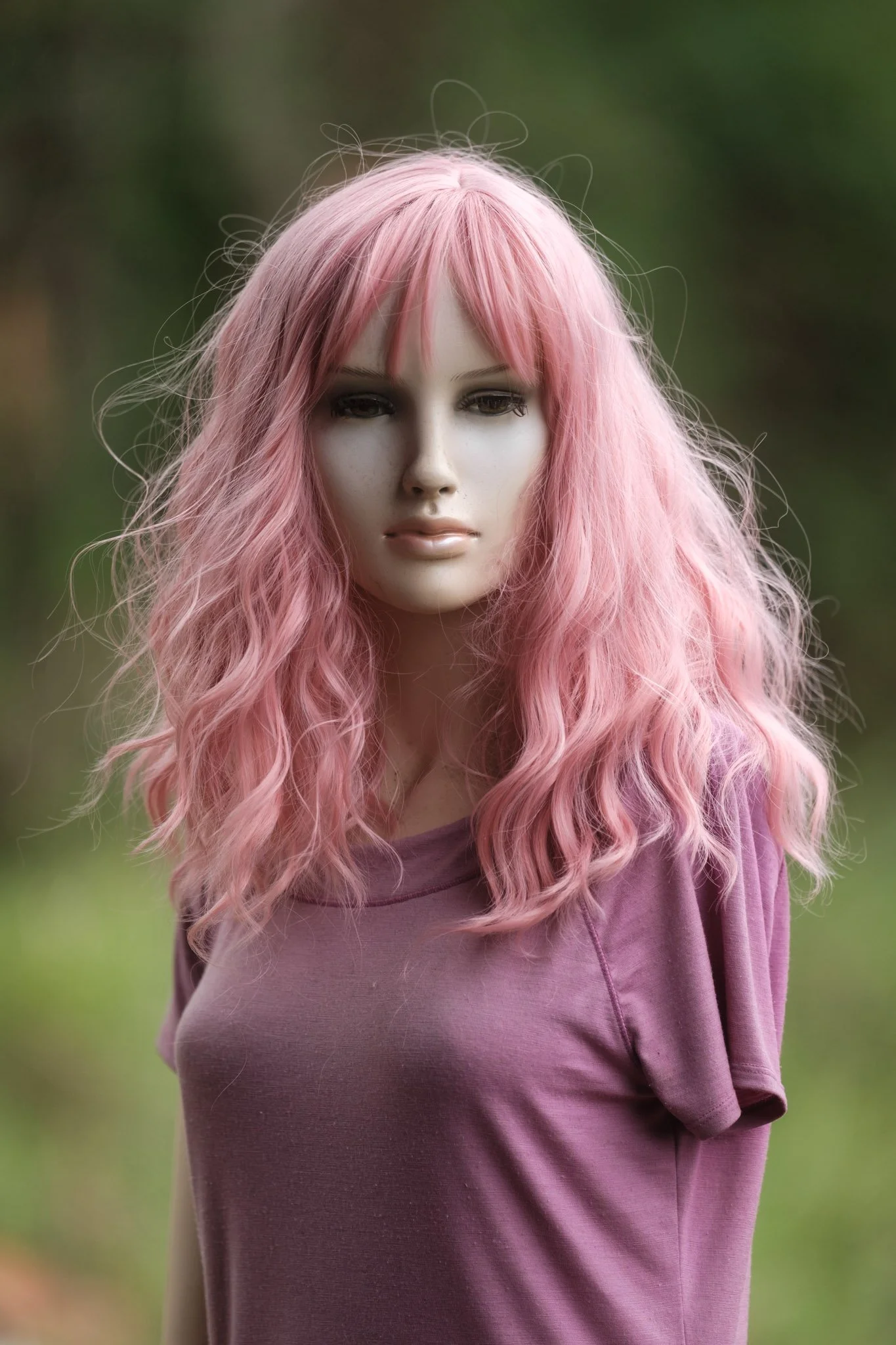
The first thing I wanted to look at was a bit of a side quest to the main objective. I was always curious to see how different the FoV appeared when comparing the XF200/2 against the 50-140 (set to 140mm, when at the same distance). So for this test it was easy. Set the tripod up, frame up with the 200/2, take the shot, and without moving the subject or tripod, lens swap for the 50-140 and set it to 140mm/2.8 and compare the differences. I also used the 1.4x teleconverter in this comparison as well. I could have borrowed my kids for these comparison shots, but I really wanted to be semi accurate, nothing is more still than my mannequin.
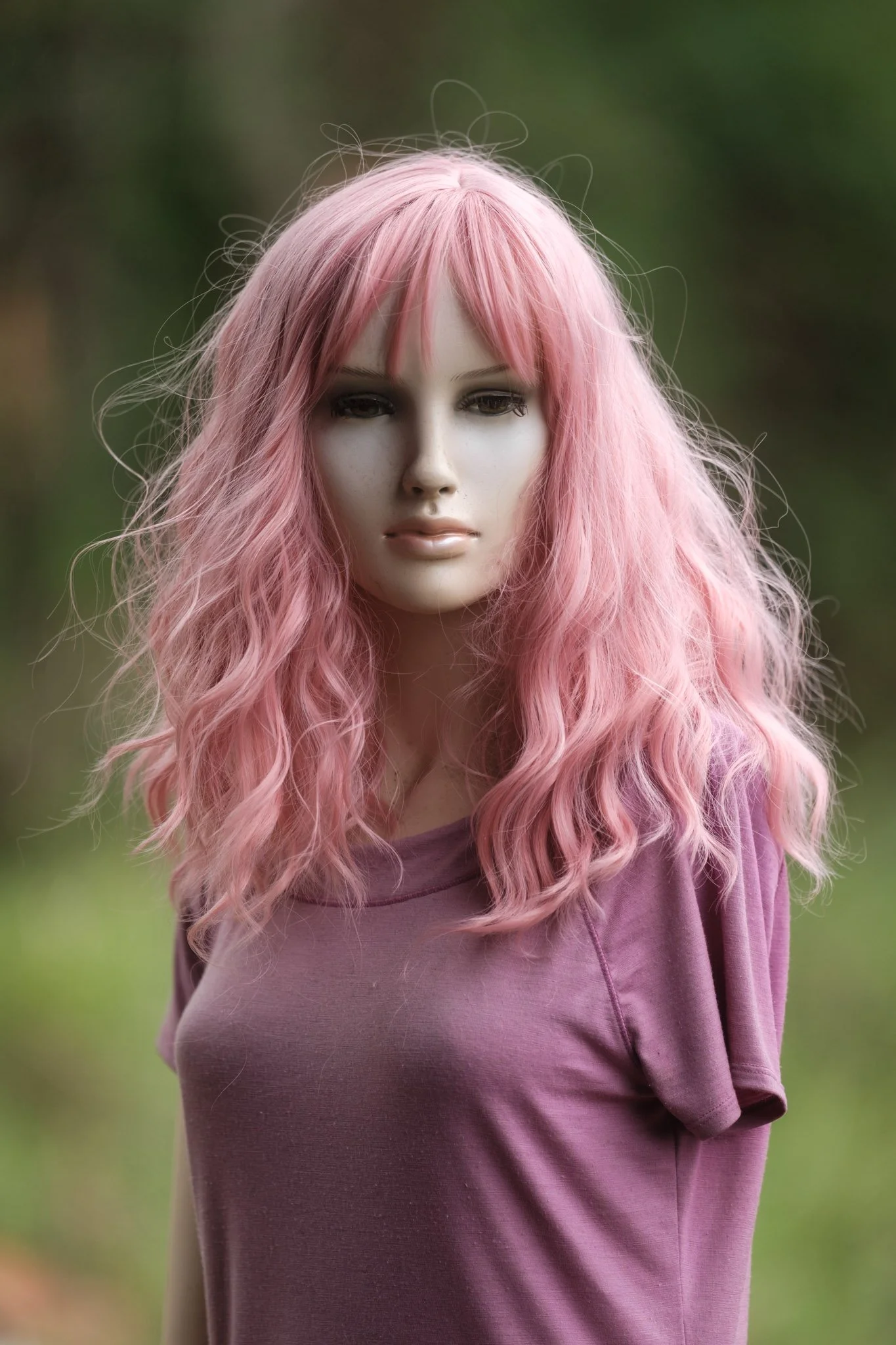
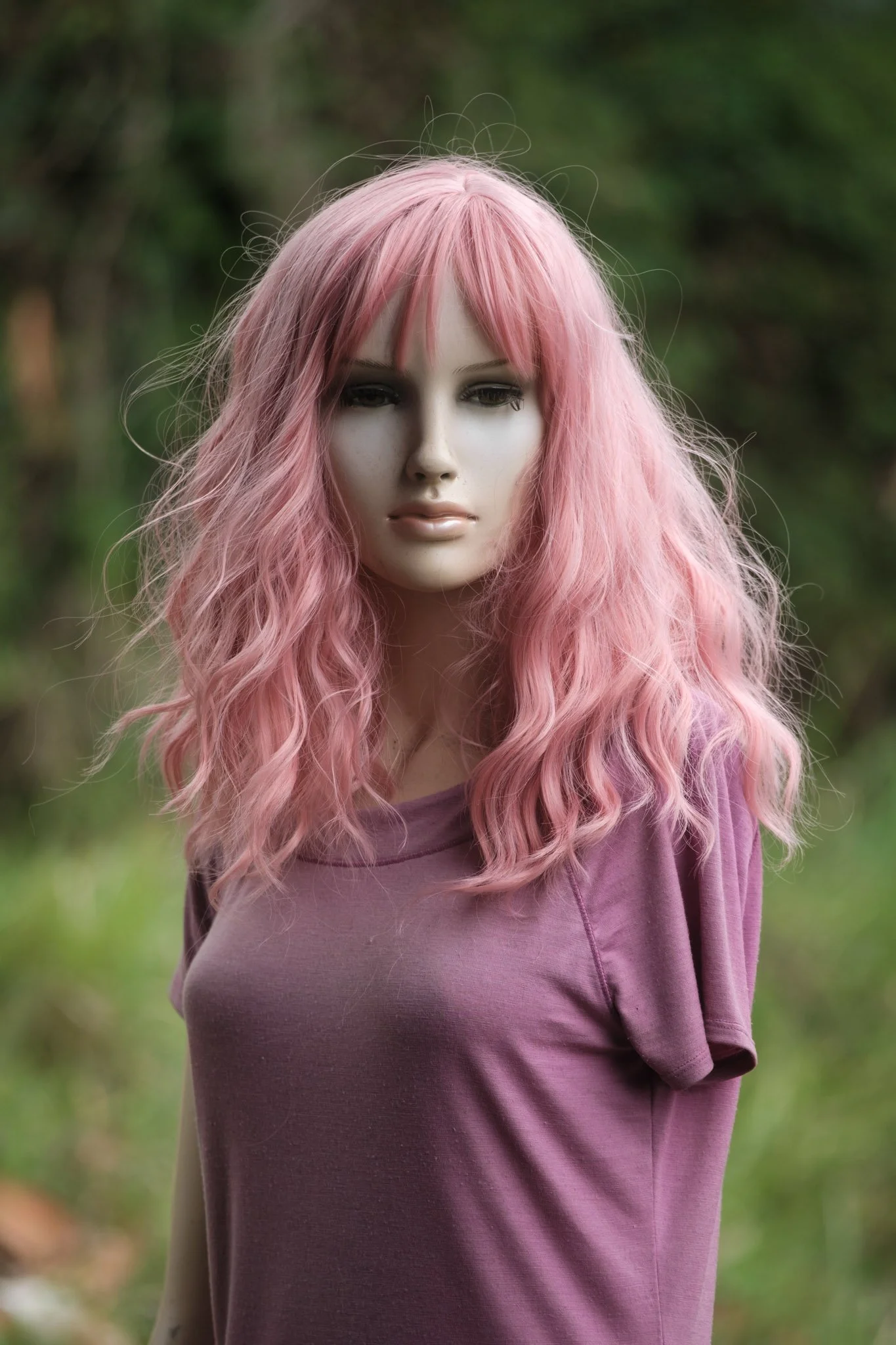
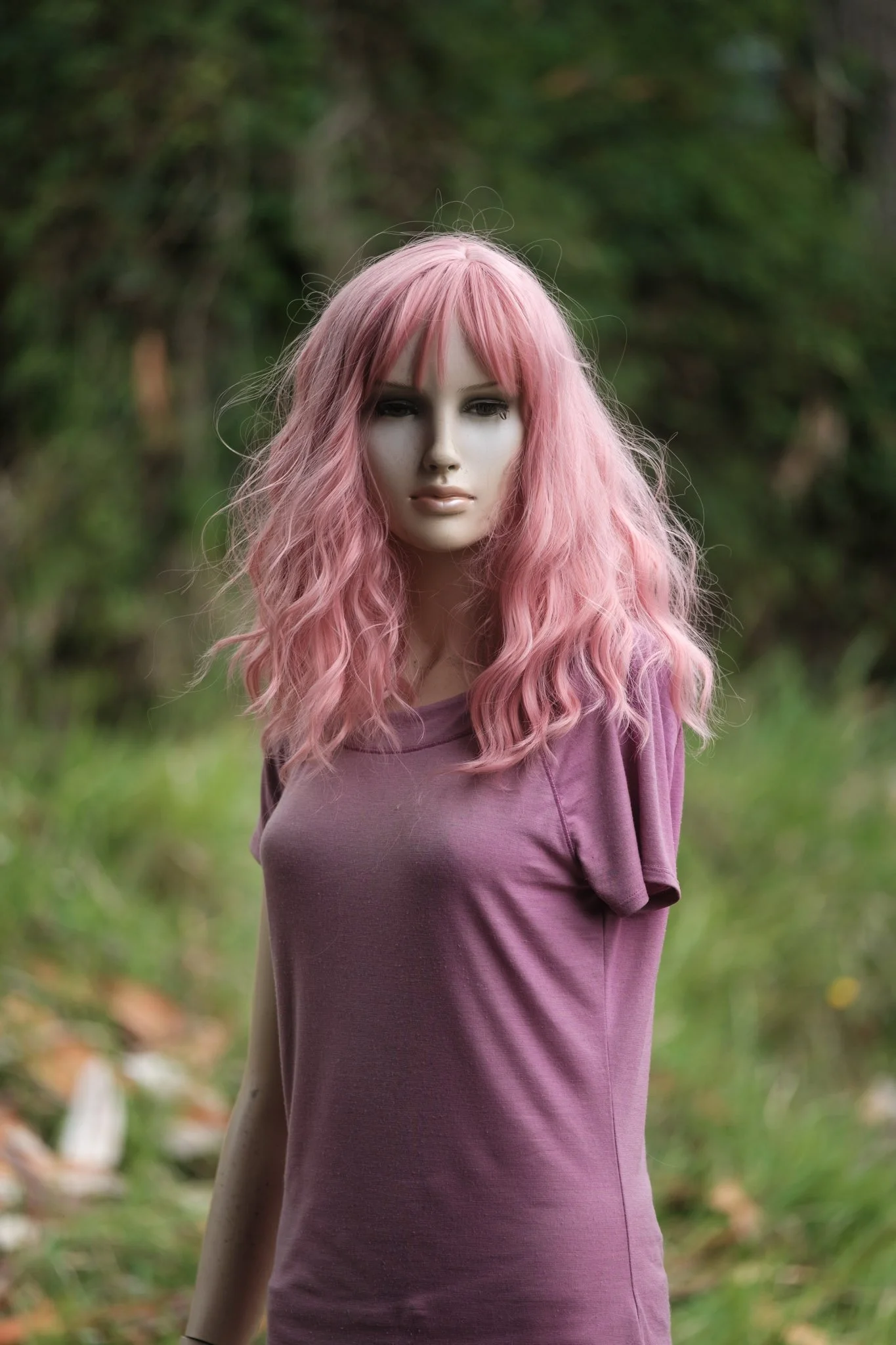
My observations here; if you don’t need the bokeh and subject isolation, a 1.4x TC stuck on the 50-140 will get you very similar framing/reach to the 200/2. Fuji offer a far cheaper XF55-200mmF3.5-4.8 R LM OIS if you don’t mind the additional 0.8 loss of light/stopped down look. I’ll be honest, I have been very tempted to go down this route because ferrying both the 50-140 and 200/2 on jobs is not a fun time had. But when I see the results of the 200/2 and the fact many of my jobs are in poor light… I am reminded of why I initially sought out these two lenses in the first place. Perhaps one day the 55-200 will end up in my collection..
The next thing that sticks out is how much the 140mm at 140mm gives swirly bokeh. I noticed this on my bokeh bonanza test a couple years back.
At that time I still owned the XF90mmF2 R LM WR, I really did enjoy that lens, but it was always fighting for a spot in the bag and lost out due to the versatility of the 50-140. Setting the 50-140 at 140/2.8, I found it gave a very similar look to the 90/2 (in terms of subject isolation) minus of course the swirly bokeh of course. The 56RWR also has swirly bokeh, so if swirls are not your thing then really the 90/2 is the only lens I have found (along with the 200/2) that really doesn’t present this trait. If I did product or food photography or some other ‘clean’ photography genre, I would definitely recommend the 90/2. One of the biggest disappointments was learning that the XF80mmF2.8 R LM OIS WR Macro also swirls, otherwise this would be a lens quite high on my list.
Lastly (fourth frame along), I show a mode I often use on my XH2S, the 1.25x Crop Mode. This is a proper crop mode to the actual RAW file, it’s only available in ES mode and in continuous high burst rates (10, 15, 20, 30 and 40fps). Instead of a 26mp file you’ll be granted a 16.6mp resolution file, but for me that is still plenty to work with. When you consider that a stacked sensor camera like the XH2S has little to no drawbacks when used in ES mode, it’s a really quite a powerful feature. As you can see, there is not much difference between using the 1.25x Crop Mode vs whacking on the 1.4x TC. When you factor in the hassle and time it takes to swap out the lens and apply the 1.4x TC, I’ll often instead toggle to the 1.25x Crop Mode.
The 1.25x Crop Mode is an incredibly useful tool on this camera. It effectively gives you a sensor size that sits somewhere between M43 and APS-C, and on the XH2S gives a very usable 16.6mp image to work with (more on the XH2)!. This is a feature I’ve been meaning to talk about for quite some time (in more depth), so I’ll stop here for now and keep the focus back on the comparisons.
It should be noted, there is no difference to the quality of bokeh between all three of these XF50-140 shots. Whether using the 1.4x TC or deploying the 1.25x Crop Mode, it doesn’t in anyway worsen or enhance the amount of background blur you get when compared to the standard 140mm f2.8 shot. If we cropped in on the 140mm F2.8 (3rd shot along) to giving us 16.6mp, it would look exactly the same (as the 1.25x Crop Mode). Some may find the 1.25x Crop Mode pointless then, but for me, as I am finding compositions in the field, I find it easier to compose when seeing the image in camera reflect my intention. If possible I try to get as much right in camera.
Comparison 2
This will be the last comparison with the 200/2, for this shot I took the aforementioned 200/2 shot, swapped out for the 50-140, set it to 140mm f2.8 and moved in closer to try and fill the frame as close as I could to how the 200/2 appeared. Upon review, I think I am still a tad further back on the 50-140 shot, I could probably squeeze a tiny wee bit more background blur if properly matching. Despite using a fixed mannequin I still managed to f up!
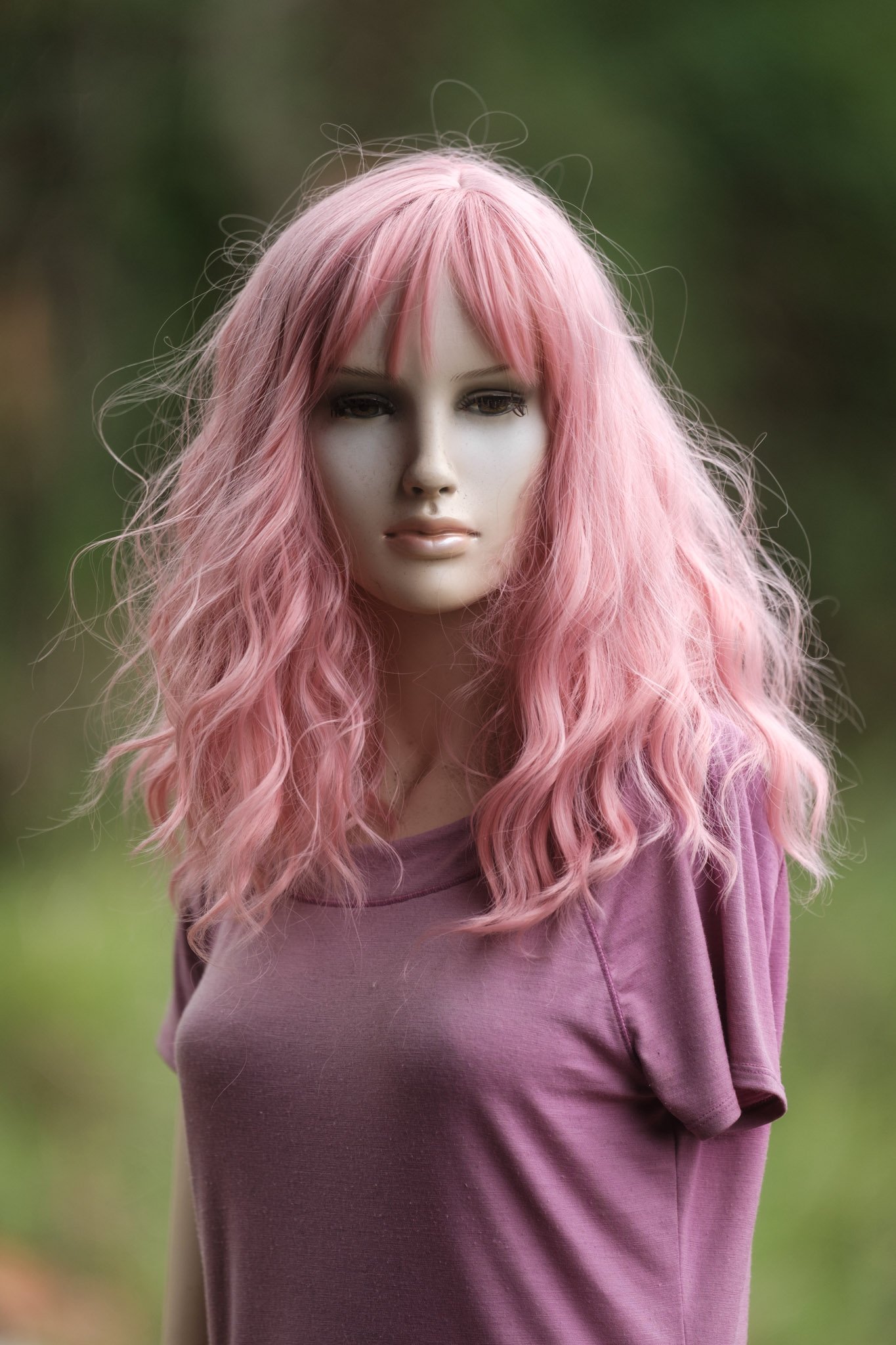
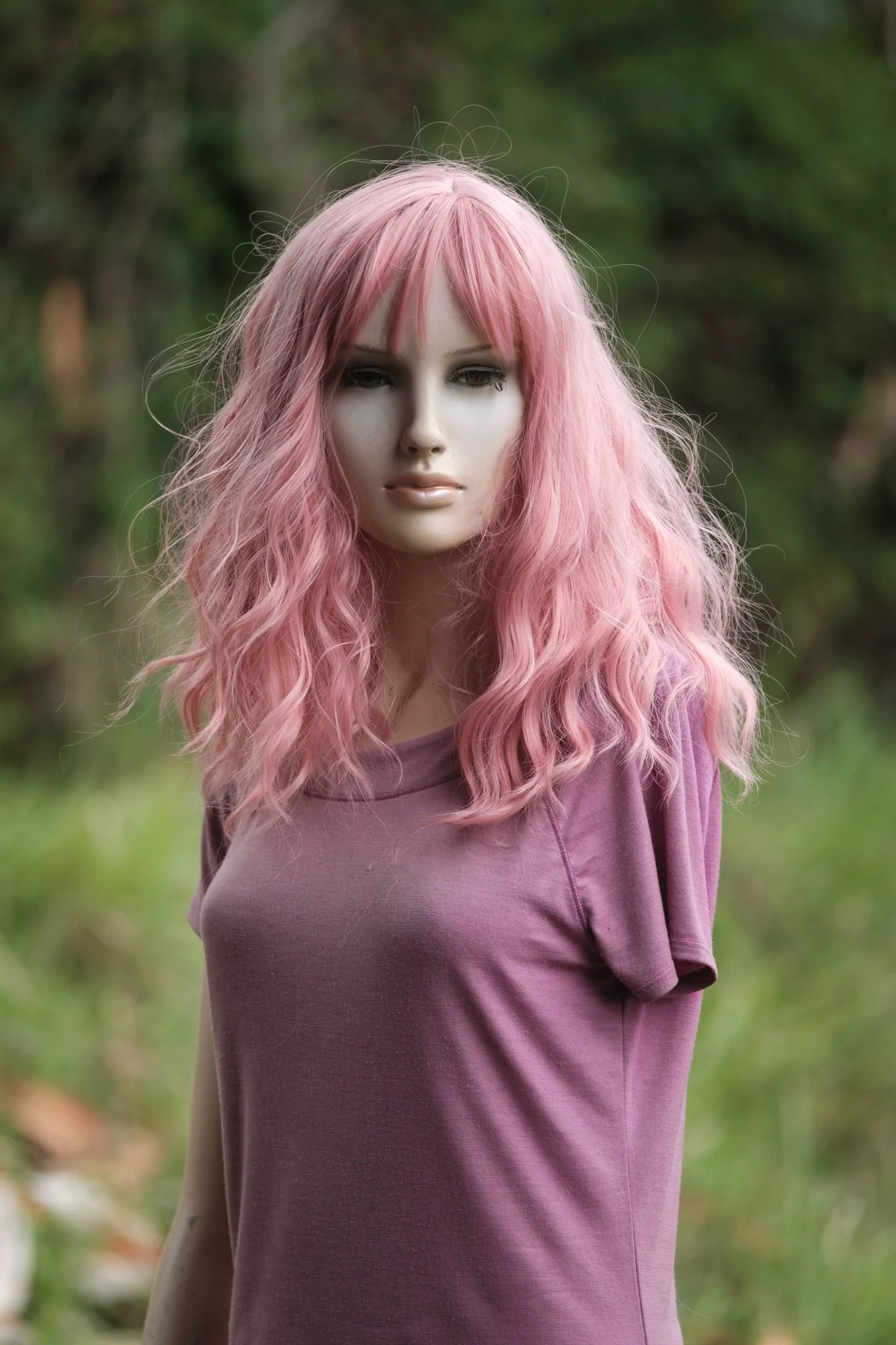
Comparison 3
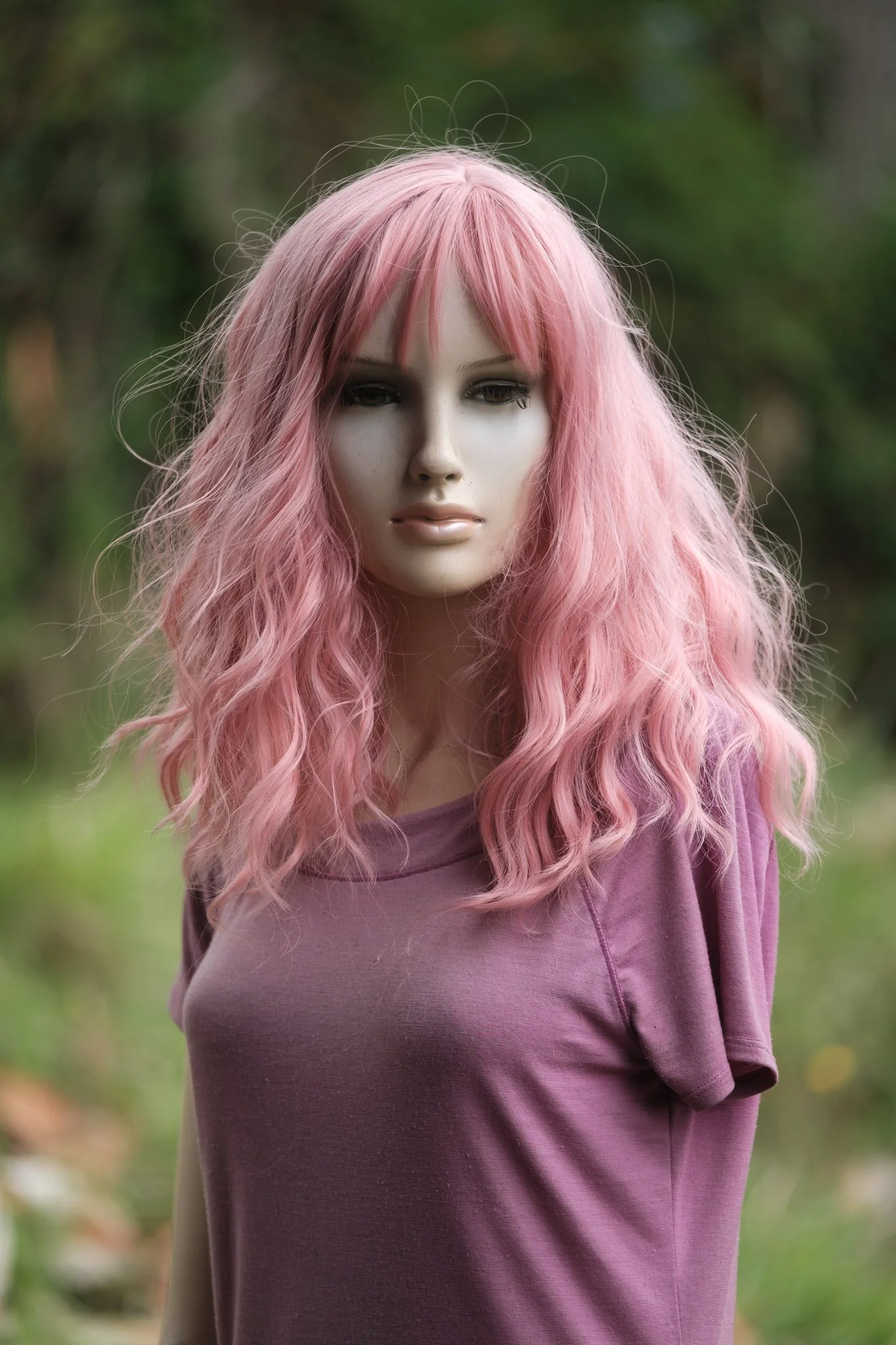
From here on, the XF50-140 @ 140mm f2.8 will become the baseline for comparison and essentially the point of this entire effort of testing. What I wish to understand better is how the other lenses stack up to this framing.
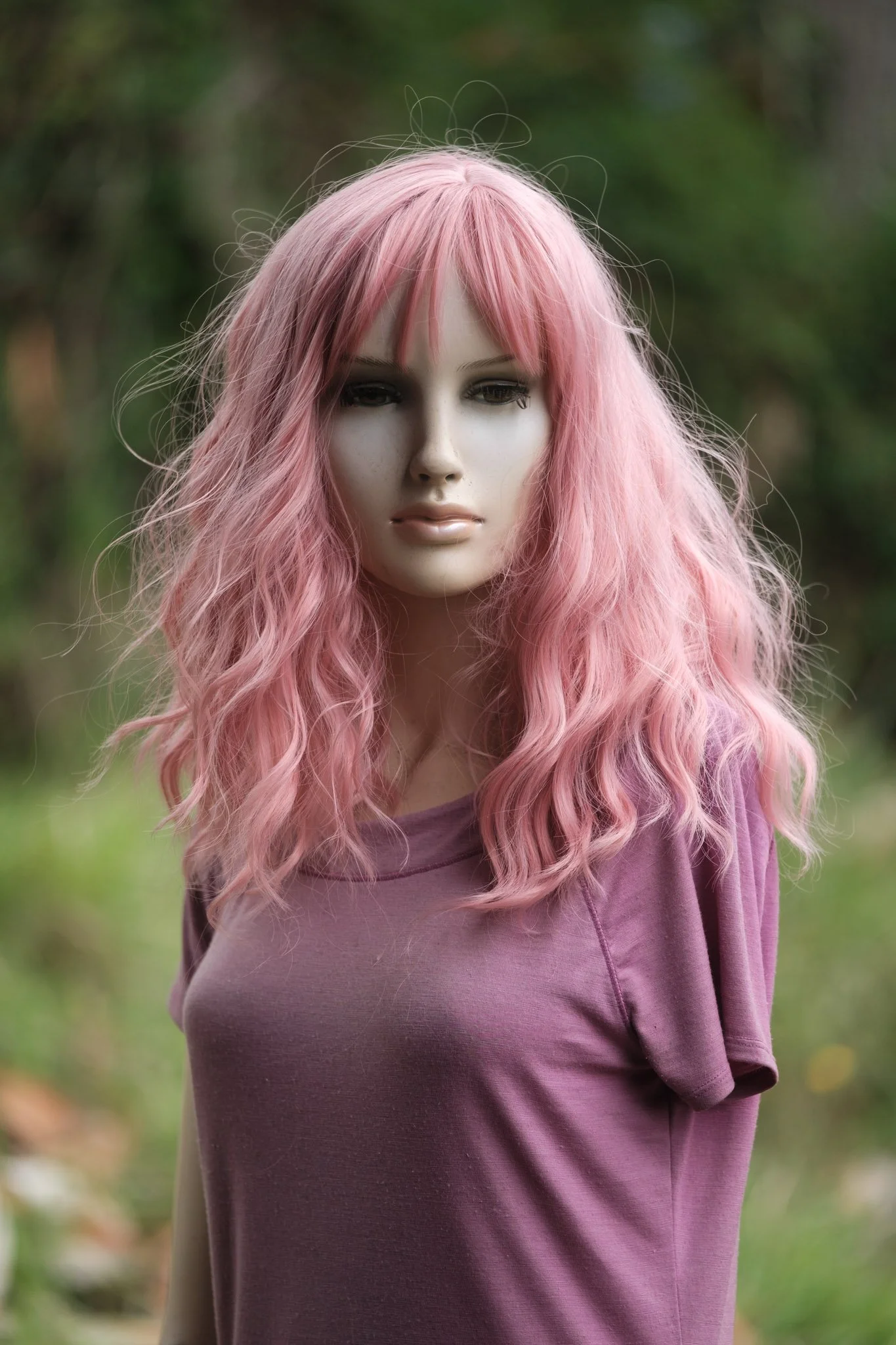
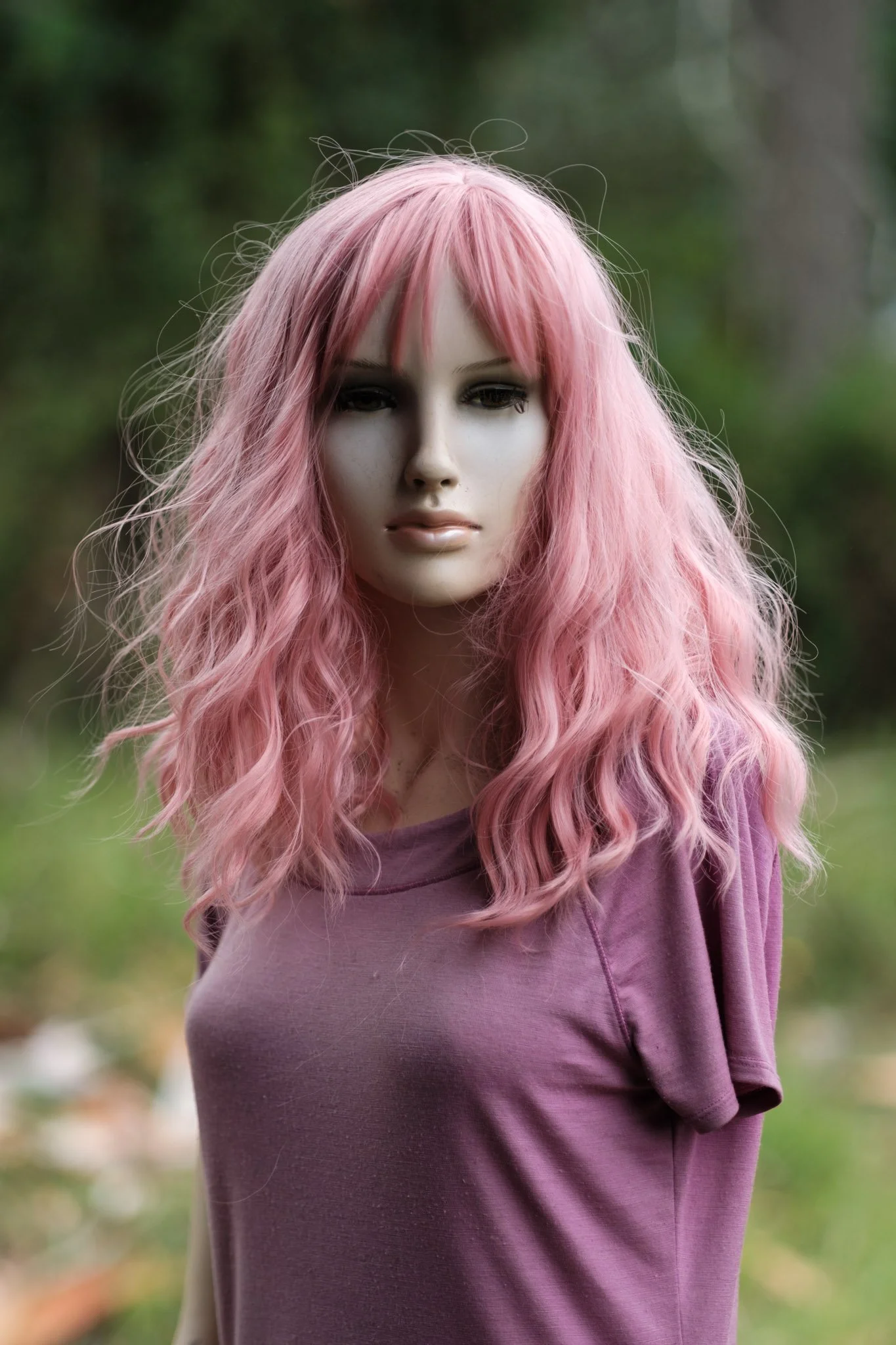
This result was quite interesting to me, I honestly I thought the Samyang would provide a stronger oof blur than what it achieves here. It should go without saying that for these tests I am keeping the mannequin and distance to the background the same for all the shots, the only changes here are myself with the camera and tripod moving forward and trying to match as best the framing that the 50-140 @ 140mm f2.8 had.
I would also like it noted that colour differences are just that, optical differences from the lenses (as the post processing was universally applied and things that affect colours such as WB was fixed for all, no auto anything).
One thing I did forget is that some lenses I left the diffusion filter on, notably on the XF200/2 and XF50-140. The Samyang, MEIKE, Canon and XF33 all had no such filter, which will explain a slight difference in contrast. The Samyang 75 seemed to demonstrate the strongest degree of contrast as far as I can tell, so if contrast is your jam then its not a bad choice. Anyway, apologies for my less than scientific testing parameters, but truth be told these tests were more for me and not initially intended for a wider audience. I know what differences a Glimmer Glass 1 makes to a scene, it’s not something that is going to overly affect background blur strength (though can account for some reduced ‘busyness’). For these tests I am not so concerned with quality of bokeh or blur, but rather amount. A GG1 is not going to overly throw off the results.
Comparison 4
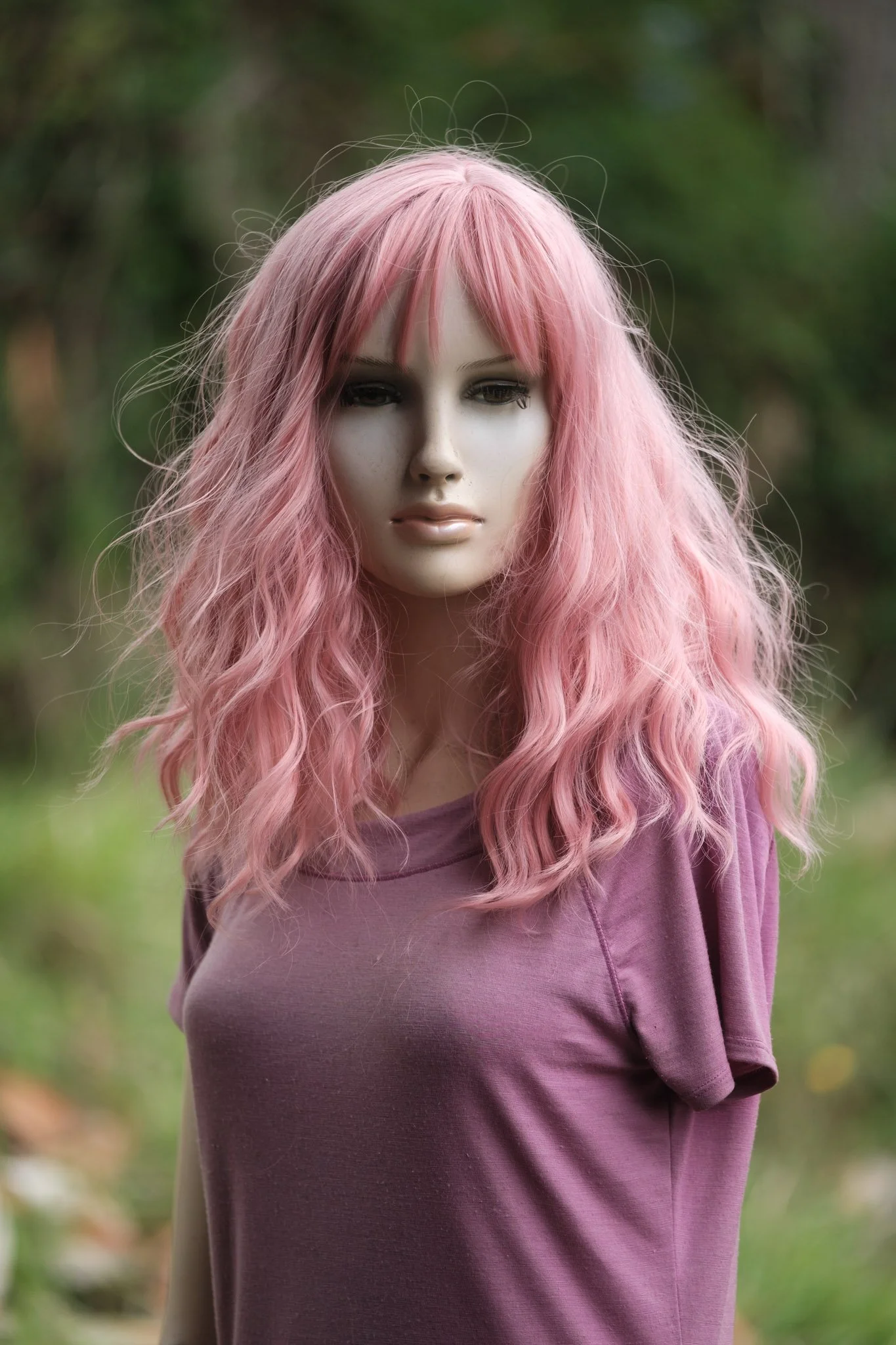
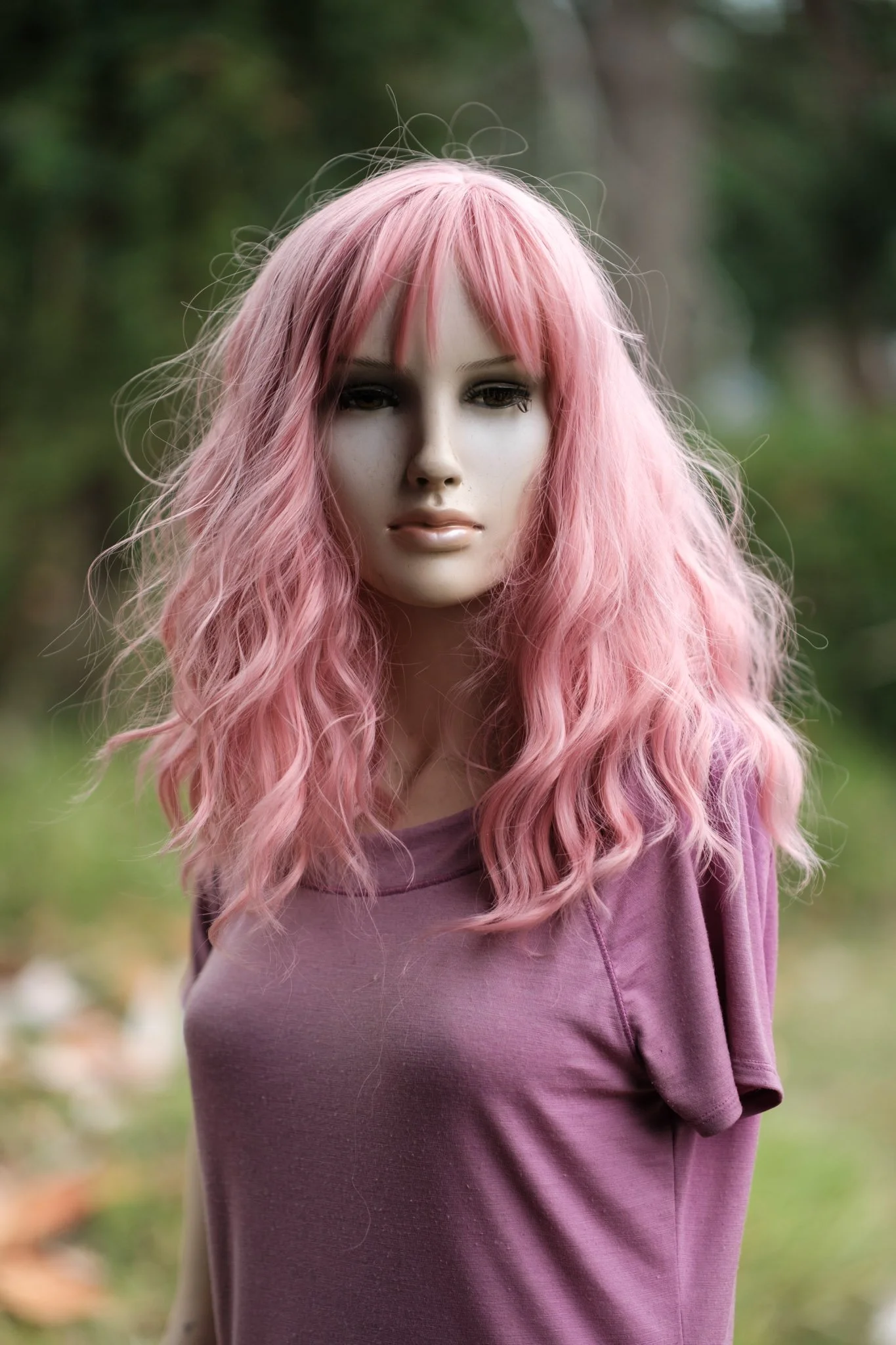
Ok, this is where I started to get really surprised. To my eyes there is not a substantial difference with the intensity of the oof background blur between the two shots. This is a comparison between an f2.8 and f1.4 lens! The framing is the same, only the distance of the camera to the subject has altered. FWIW I do use an online tool to get some kind of approximation to things like this. DoF Simulator is a great tool, but it just goes to show that nothing is better than actual real life examples.
Before selling my Fujinon XF56mmF1.2 R WR I did a fair amount of comparisons between it and the MEIKE 55/1.4 (shown above). I found the difference between the two to being really mild (optically, in terms of DoF/Subject isolation etc), certainly not enough to warrant the additional price the XF56 commands, nor embrace the subpar autofocus it has. The MEIKE won my heart.
I think if you go looking for channels and comparisons of XF56RWR vs MEIKE 55/1.4 you’ll likely agree and understand. Dylan Goldby would be a good place to start.
And so here we are, XF50-140 @140mm f2.8 is currently keeping up to both the Samyang 75/1.8 and MEIKE 55/1.4… (are we starting to understand the Blog title yet)?
Comparison 5
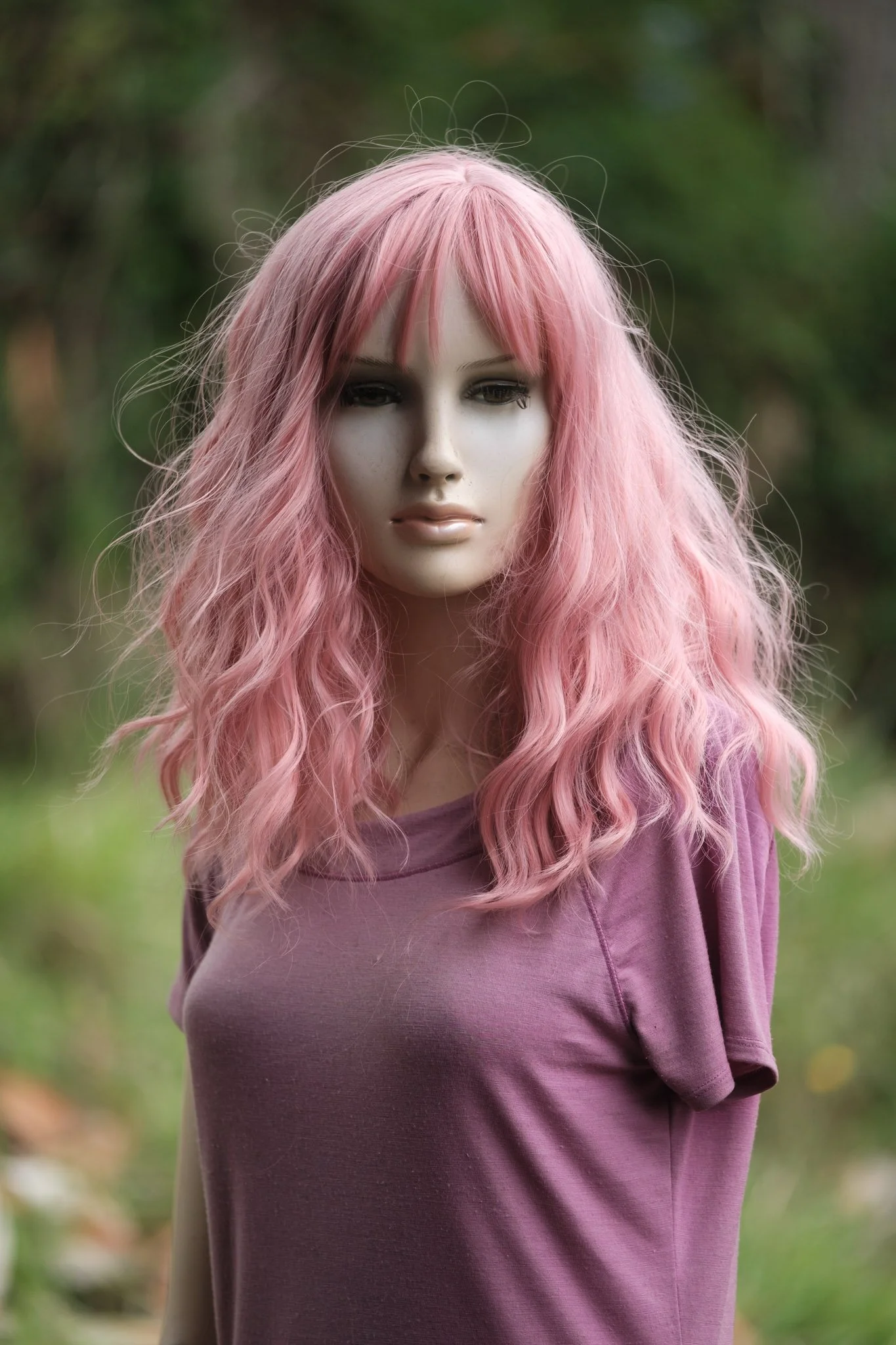
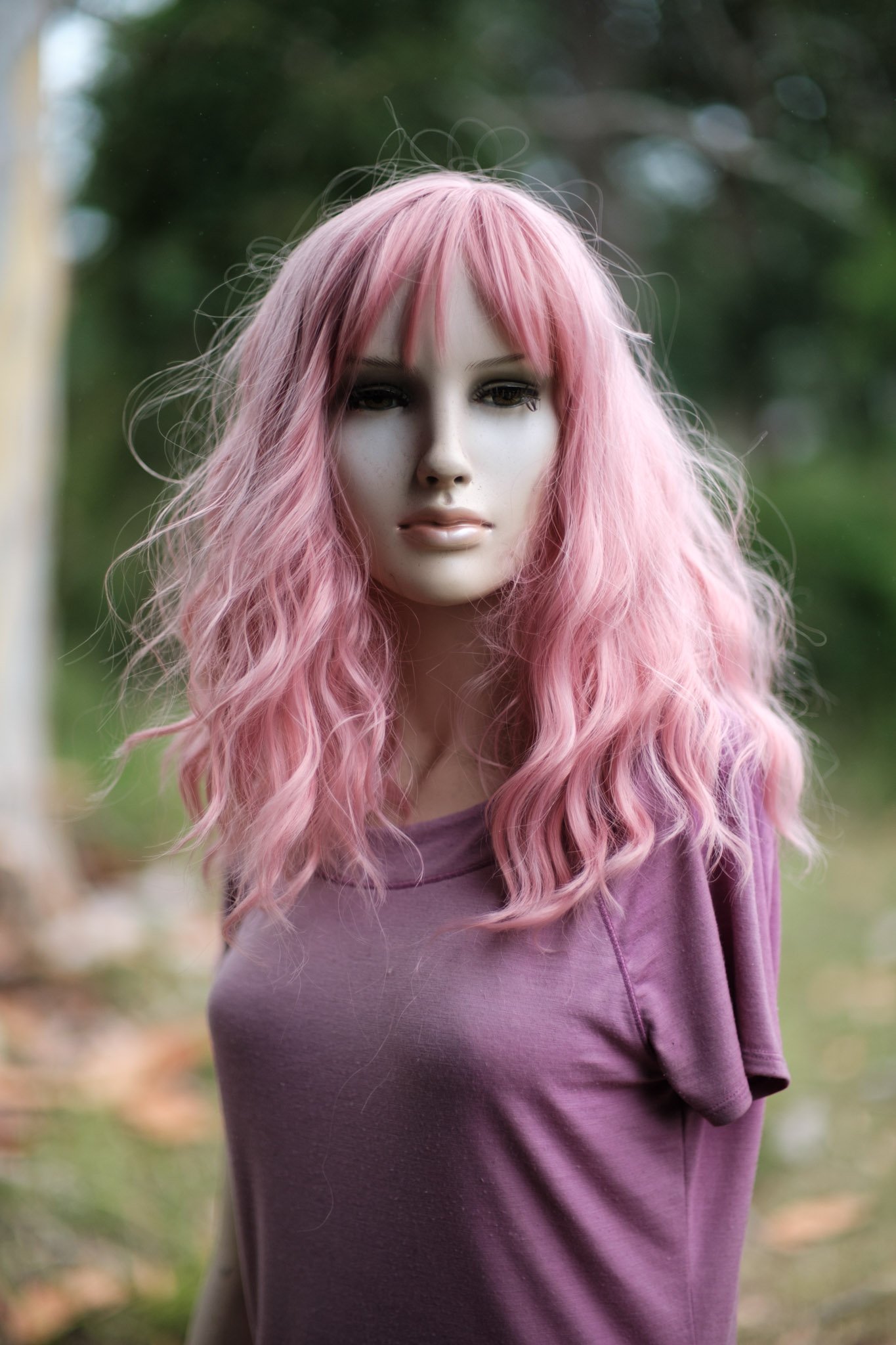
Again I continue to be stunned.
I’ll explain the Fringer ULTRA adapter. This is a focal reducer/speedbooster, and it converts the 50mm f1.2 experience to being a bona fide 37mm f0.9 experience (with autofocus). I’m not throwing those figures around based on my calculations, this is literally the EXIF data and what the XH2S informs and gives control (yes Fuji will let you select f0.9).
These comparisons now though are becoming very hard to consider fair or approximate. The compression, perspective and distortion start to become much more apparent now at this degree of focal length differences. The Canon gives ‘big heid’ vibes, the XF50-140 arguably a more realistic half body portrait interpretation. The ‘big heid’ thing that you can get from a 50mm (FFE) is one of the reasons I find this portrait focal length really useful when working with kids, it somewhat amplifies that childlike development trait.
Still… when judging background blur (at least to my eyes in these examples), it’s not like there’s a huge difference here!
Comparison 6
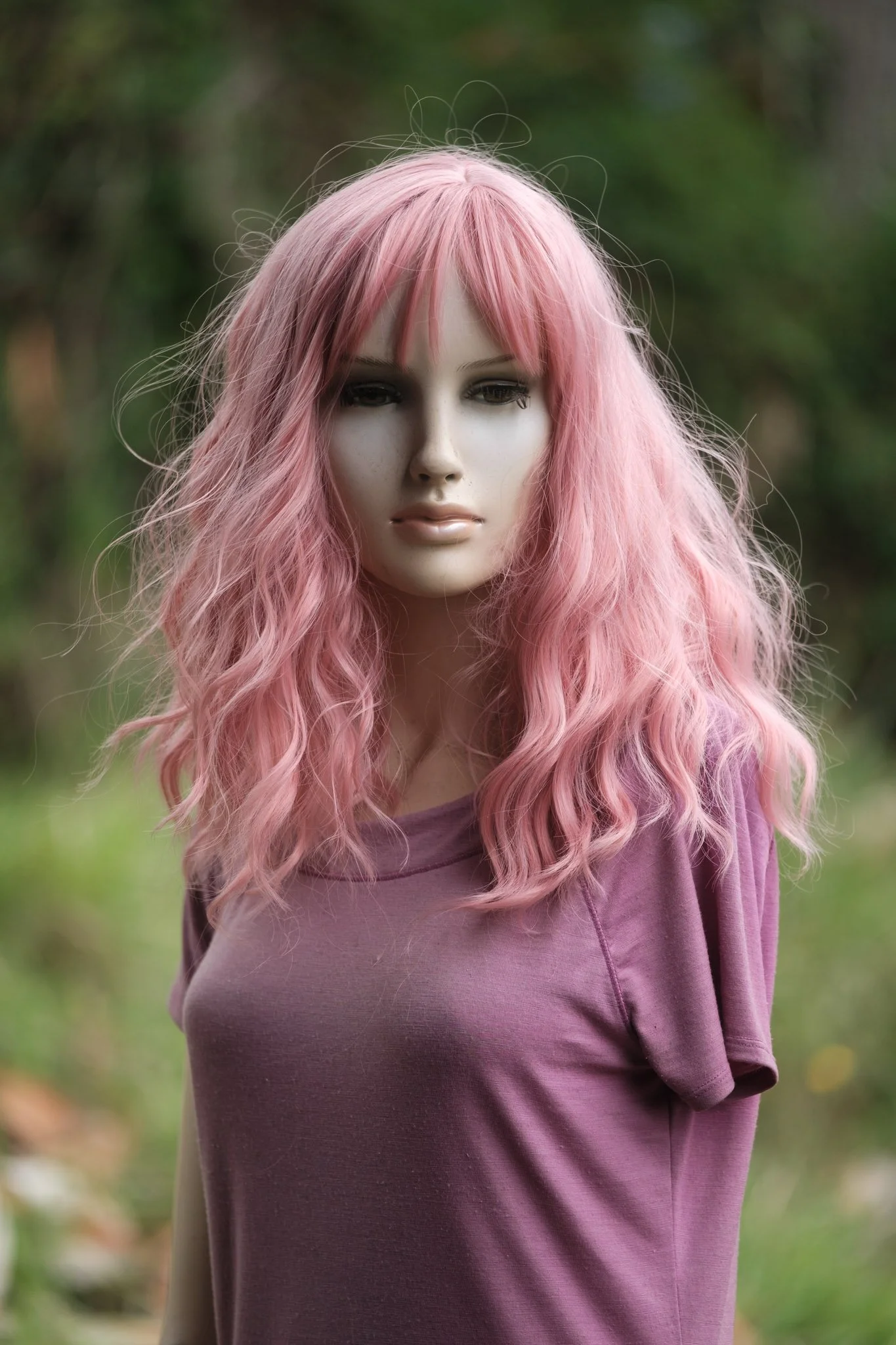
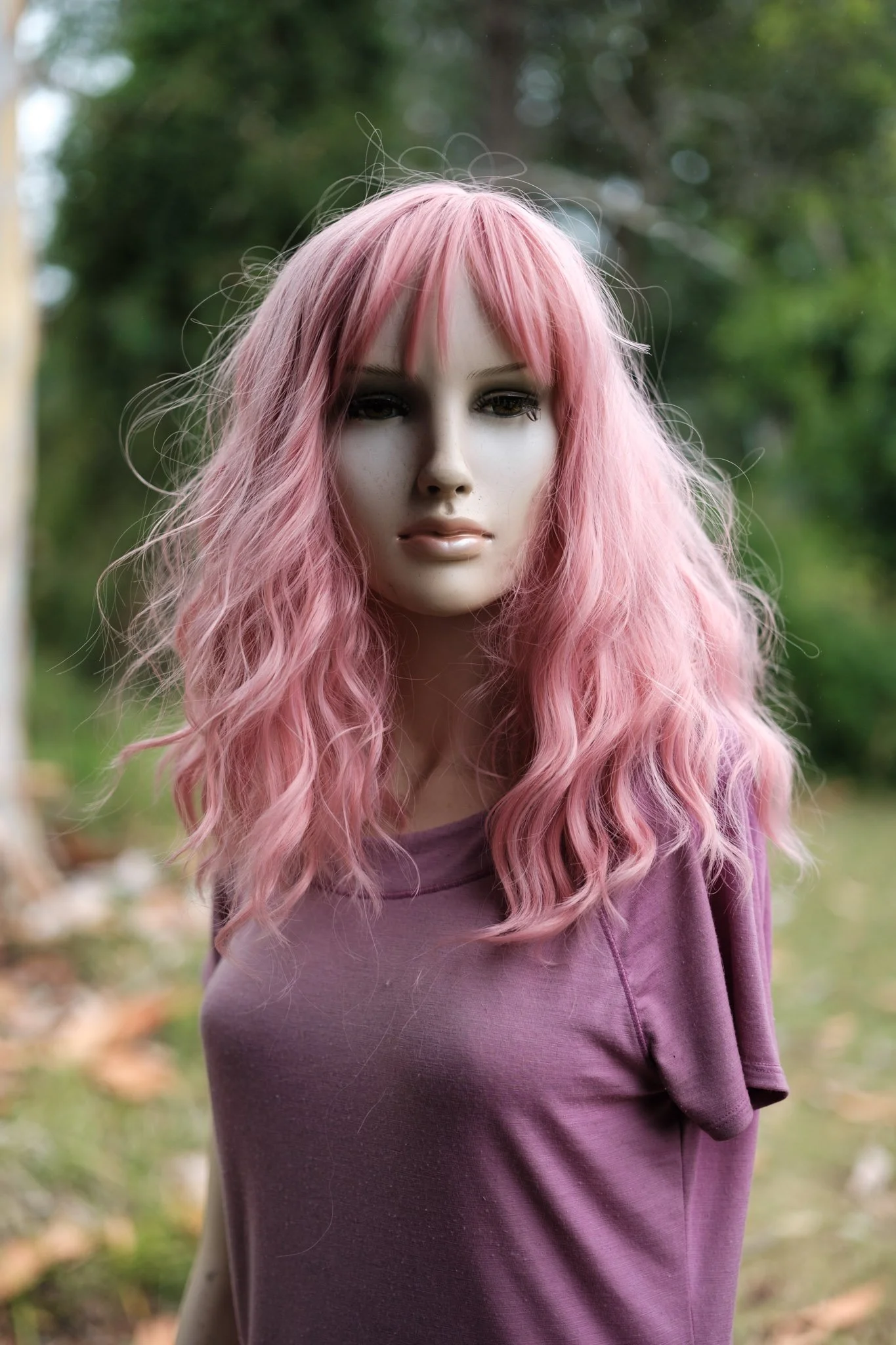
This was probably the first comparison where I felt the competing lens couldn’t keep up with the level of background blur that the XF50-140 @140mm f2.8 had when framing similarly. I still find these kind of comparisons useful. If ever faced with owning the XF50-140 and XF33, and want to do a half body portrait whilst intending to blur and making as much of the background scene unidentifiable, the XF50-140 is the lens you should be reaching for (so long as you have the working distance of course).
Comparison 7
What I thought would be interesting to do next is to compare some of the other lenses against one another and leave out the XF50-140. Here’s the Samyang 75/1.8 vs the XF60/2.4 Macro and MEIKE 55/1.4.
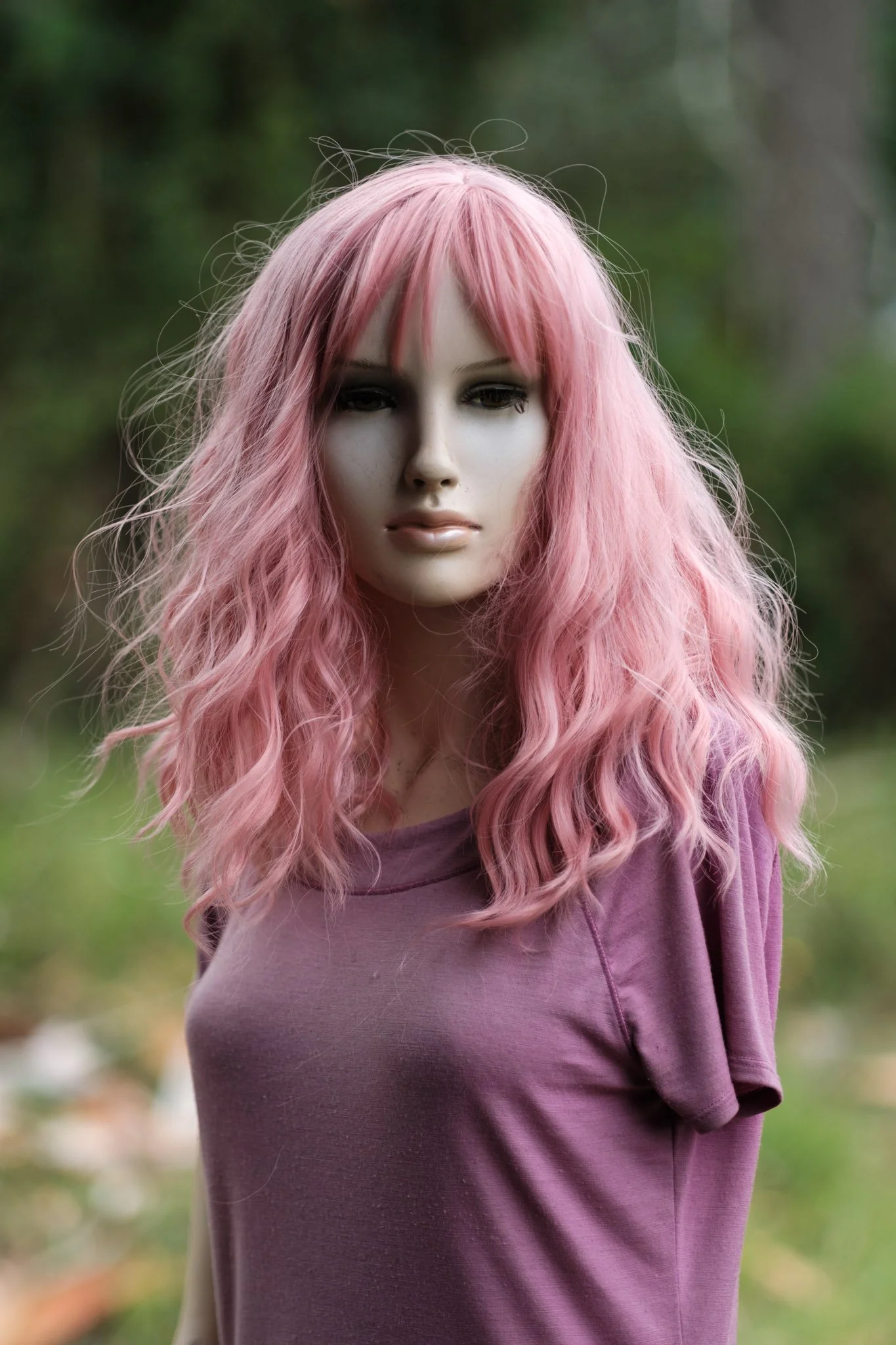
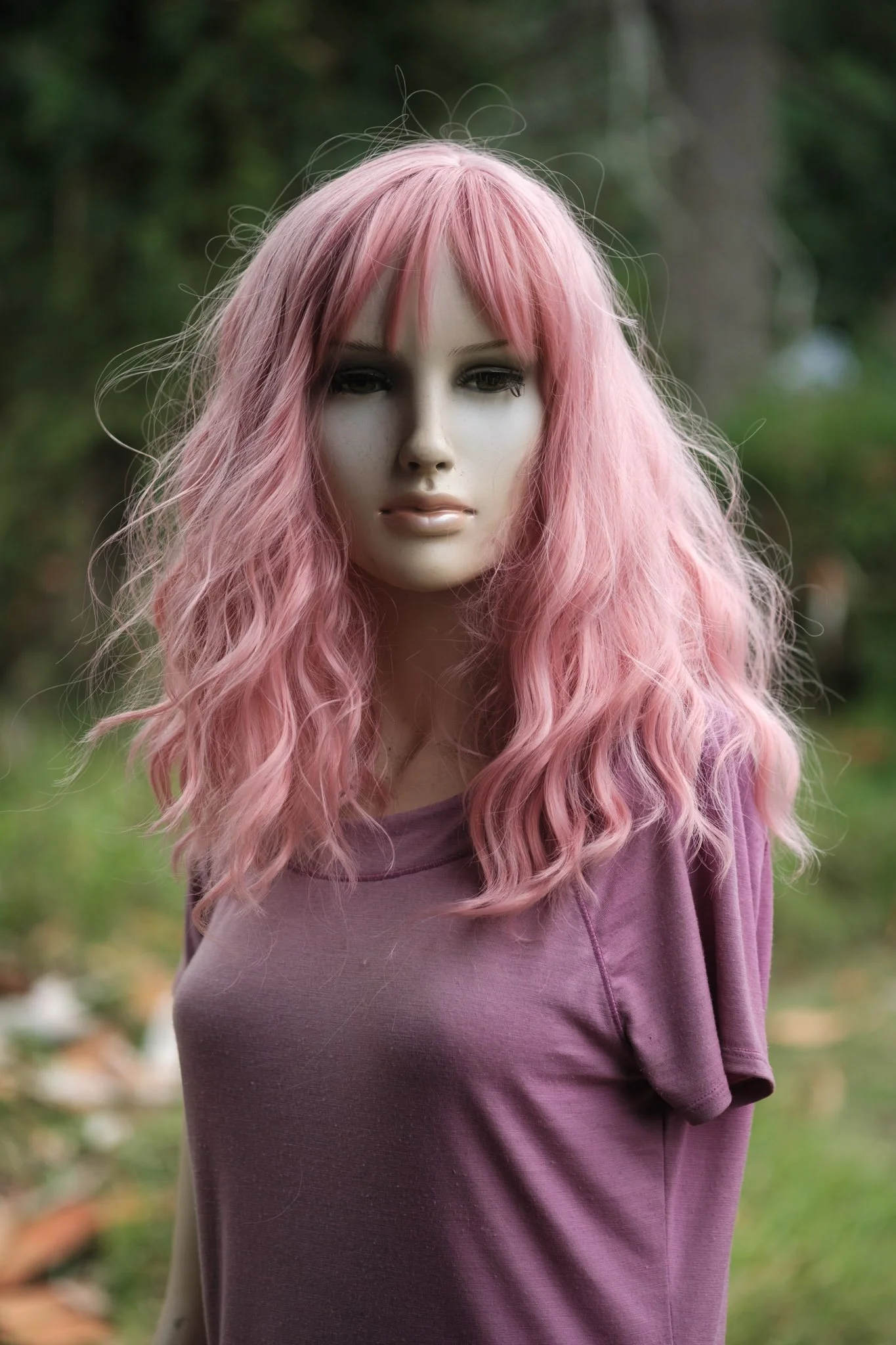
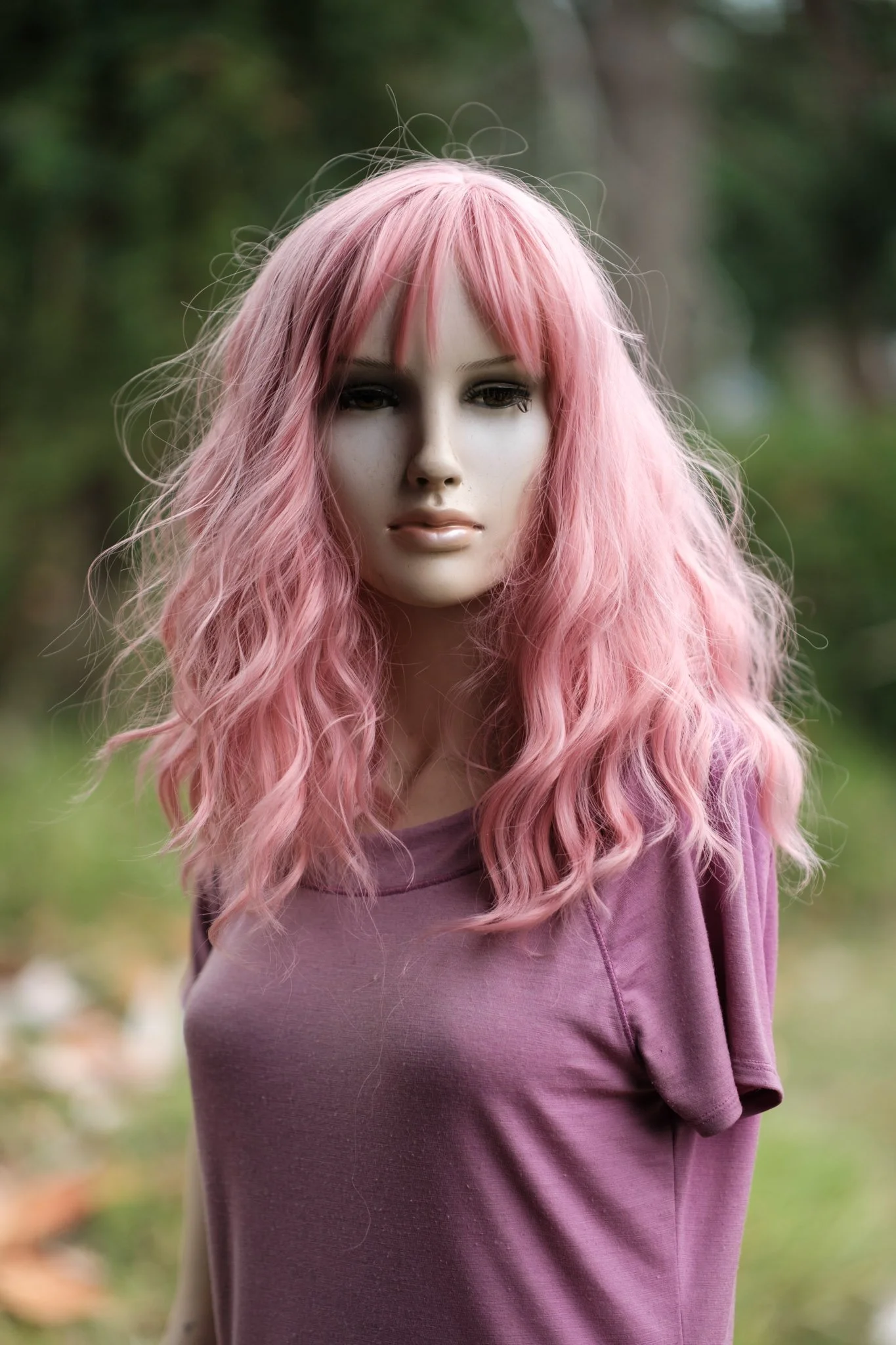
The XF60mmF2.4 Macro does not bad at all, you can start to see why it gets praised for its versatility and providing decent portrait work (in addition to the obvious close up macro work). I’ve done a few portrait shots with the XF60/2.4 and where it seems to excel best is in those tighter headshots. It seems to provide enough background blur as well as producing super skin and facial features details, it can be a winner (so long as the subject doesn’t mind every pore open to inspection)!
Comparison 8
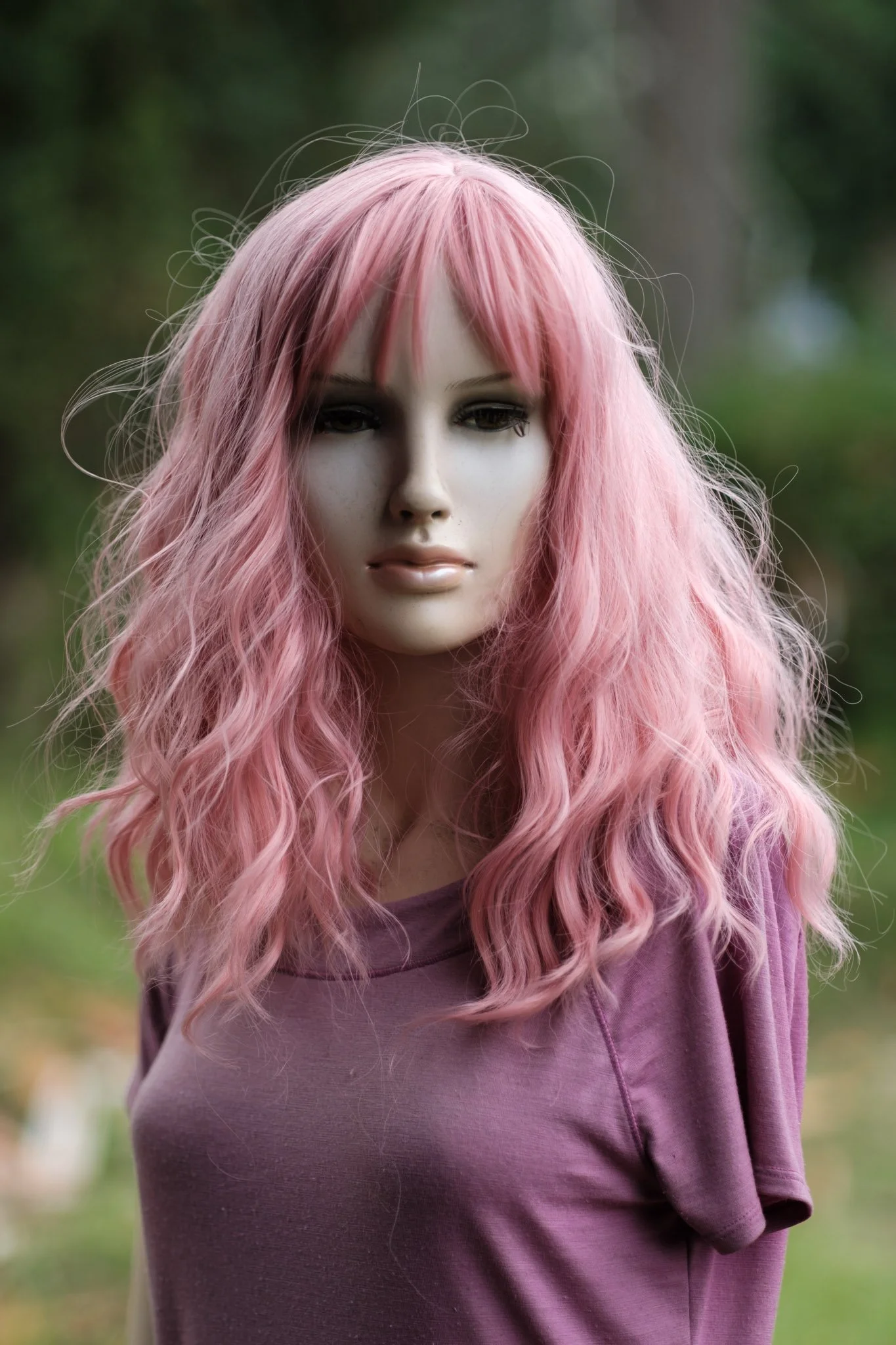
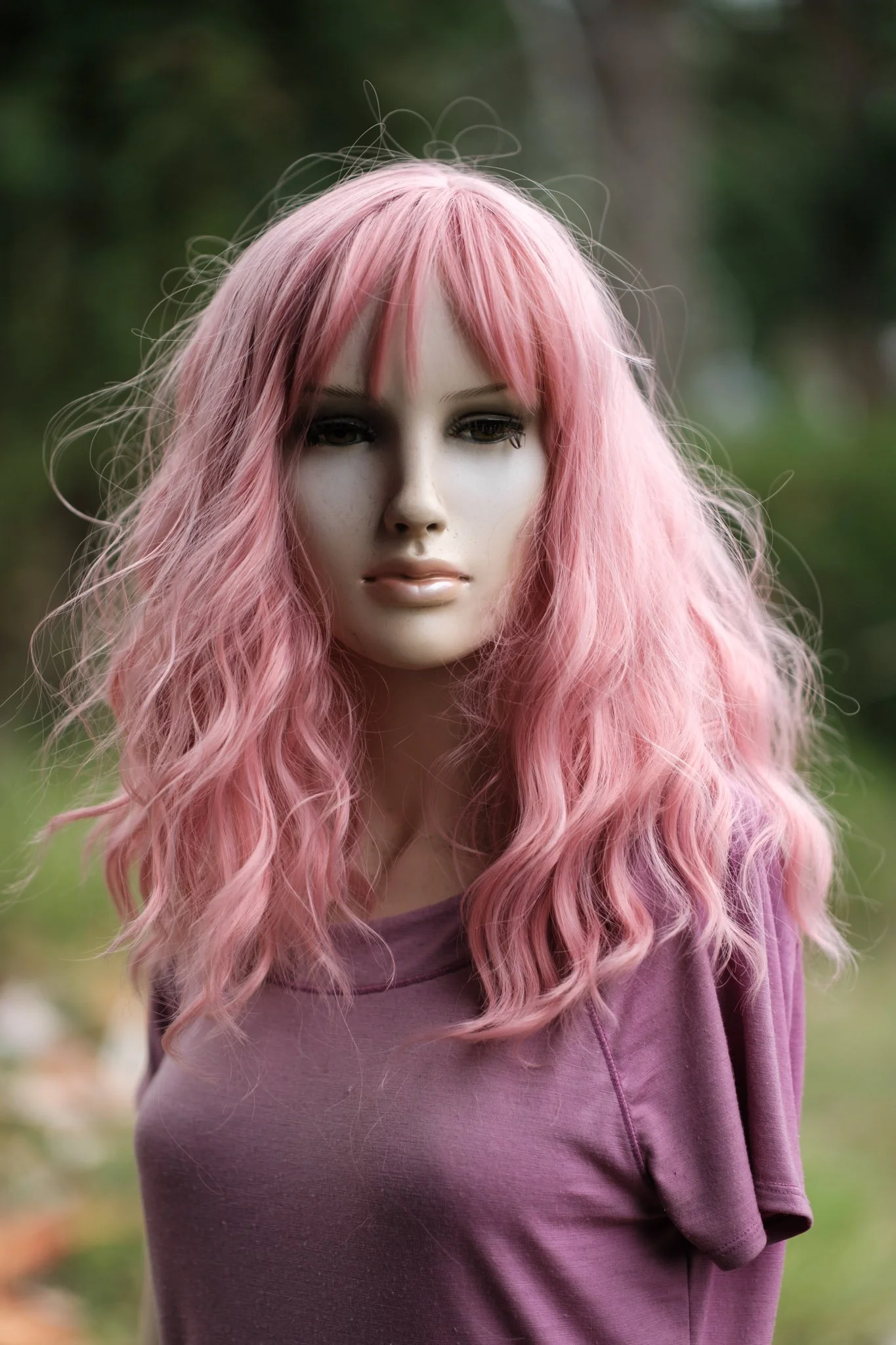
A closer direct comparison of the Samyang 75/1.8 vs MEIKE 55/1.4, which one seems better to you? I think it’s very close.
Comparison 9
And lastly I just wanted to test again the XF50-140 @140mm f2.8 with the Samyang 75/1.8 (just to be sure). This time a landscape orientated framing.
I also set my XF50-140 to 74.4mm to see how similar (or different) the framing appeared to be against the Samyang 75 (tripodded, not moving forward or back to reframe). It looks very close to me, not sure how useful that is, no idea if 74.4mm on the zoom lens really means its 74.4mm or anything…
Once again though, the XF50-140 set to 140mm and f2.8, it does an incredibly good job in keeping up with these ‘fast’ primes.
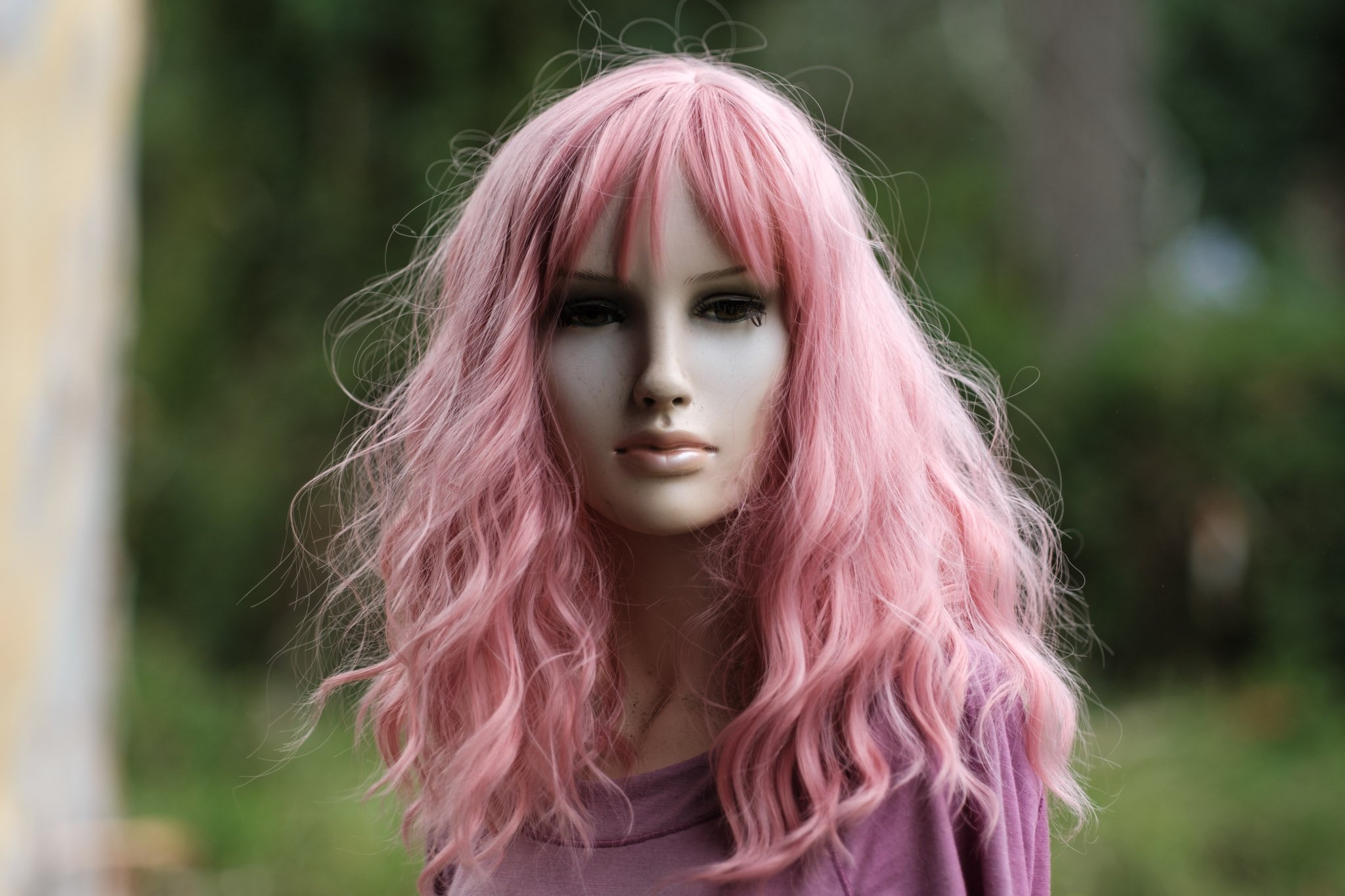
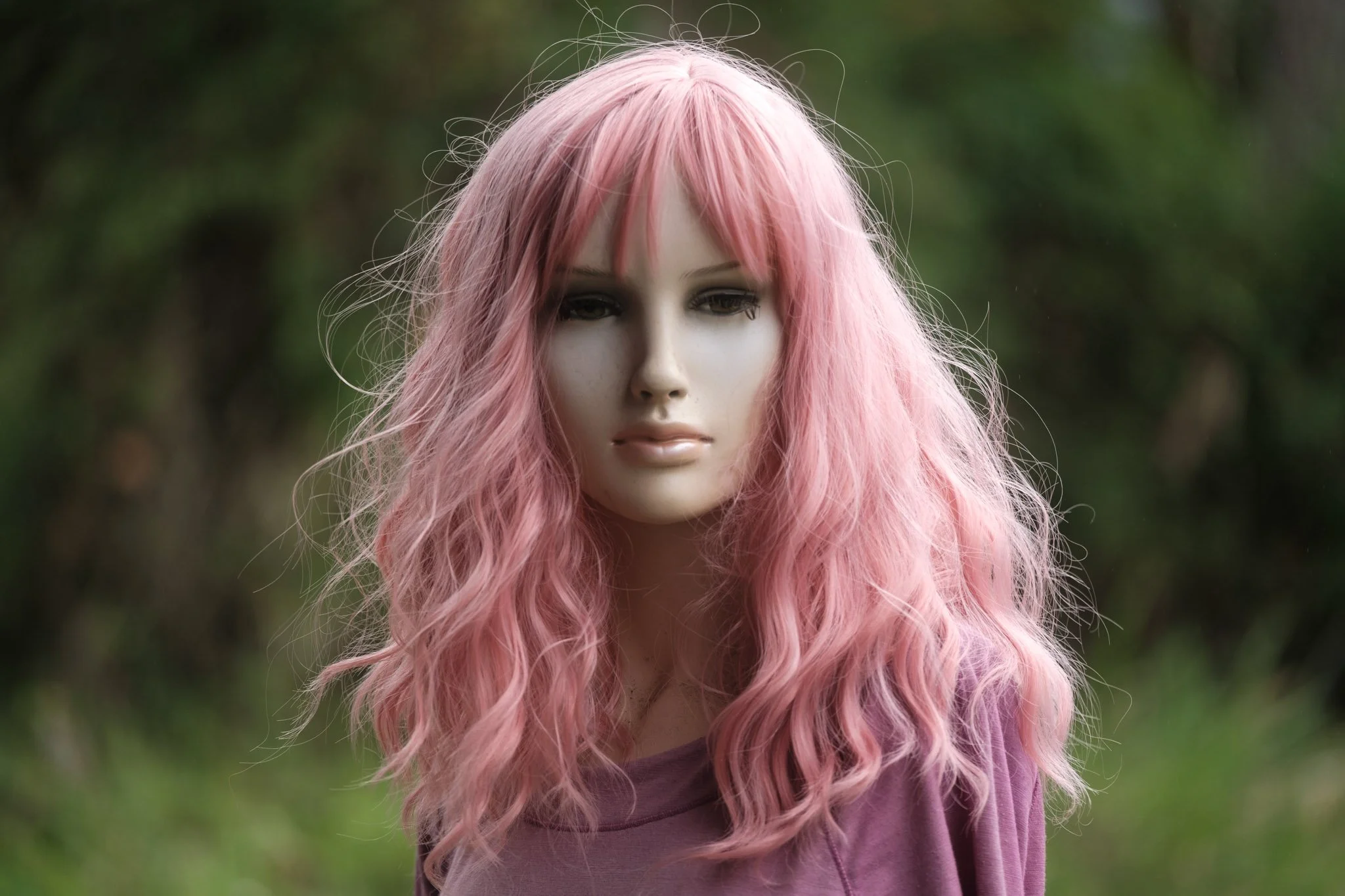
Conclusion
The XF50-140mmF2.8 R LM OIS WR continues to be one of Fujifilm’s most impressive lenses. There’s really very little to complain about. Optically it is sharp (throughout the range), offers decent flare resistance, it is weather sealed, has internal focusing, has a removable tripod foot and carries OIS (with a switch to toggle on/off nonetheless).
After it’s latest f/w update it is even performing some fairly decent parfocal performance;
I know many are asking for a MkII version of this lens, but I am not sure how they actually improve this lens? I guess the obvious response would be to make it smaller and lighter (though at 995g I don’t find it too fatiguing on long shoots. Flex the XF200/2 enough and you gain a whole new perspective on lens weight!). I worry that reduction in size and weight will bring about greater distortion and reliance on in-camera lens correction. That’s not necessarily a bad thing, seems to be all the rage these days, but I’d have to compare very carefully before trading in this 50-140 for a mkII variant.
The autofocus of this lens is actually the very best that I have tested, I even found it to outperform the XF90/2 (perhaps only the small XF50/2 and XF33/1.4 are equal or better. Certainly for a zoom lens of this size and weight it does marvelous).
Anyway, I think I stand by my blog title, this really is a red badge lens and should be an absolute must for any Fujifilm owner.
Now I have a heap of lenses I really ought to sell!